


As a golf course architecture enthusiast who’s had the privilege of walking over 200 courses across the globe, I can tell you there’s a unique magic in a hole that earns its nickname. It’s more than just a catchy phrase; it often encapsulates the very essence of the design, the strategic challenge, or even a slice of history embedded in the land. We’re all familiar with the multi-hole legends—the Bear Trap, the Snake Pit, the hallowed Amen Corner. But what truly captivates me are those individual holes whose monikers are so perfectly dialed in, they speak volumes before you even tee up.
The latest piece I dove into highlighted some truly remarkable examples, proving that an apt name isn’t merely marketing fluff, but a profound descriptor. Some foretell the battle ahead, others nod to specific architectural marvels, and a few even distill the visceral emotions a golfer is bound to feel. These aren’t just holes; they’re characters in the grand narrative of a round, and their names are their defining traits.
The Art of the Apt Alias: Where Design Meets Destiny
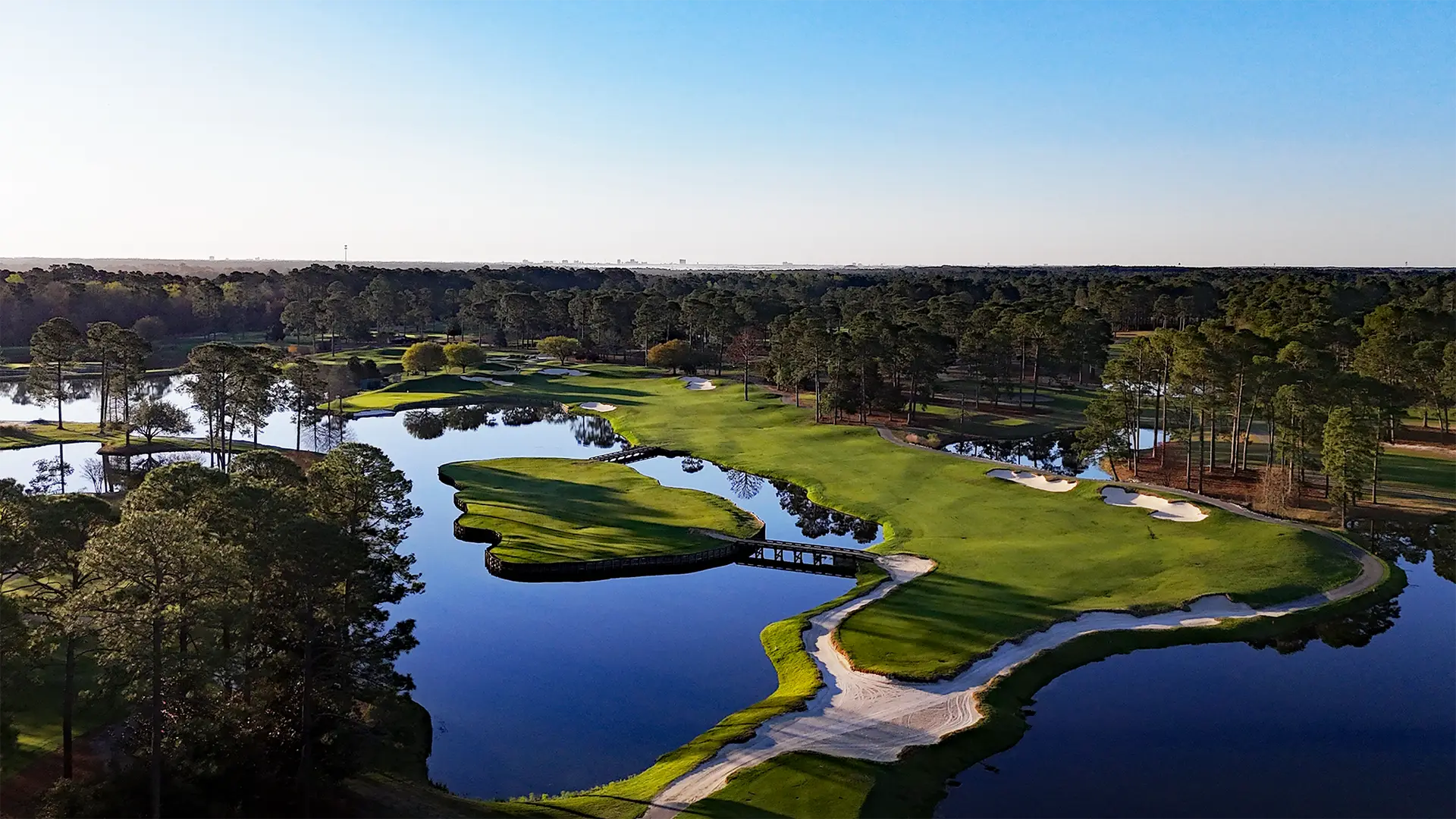
Take, for instance, the 6th hole at King’s North at Myrtle Beach National – ‘The Gambler.’ This is classic course design philosophy at play. A reachable par-5, yes, but one that presents a daring shortcut. Architect Arnold Palmer (with design by Ed Seay and others) understands how to tempt and punish. From the elevated tee, the primary landing area looks safe, but then your eye drifts left, to that audacious island fairway. It’s a moment of truth, echoing the very soul of risk-reward golf.
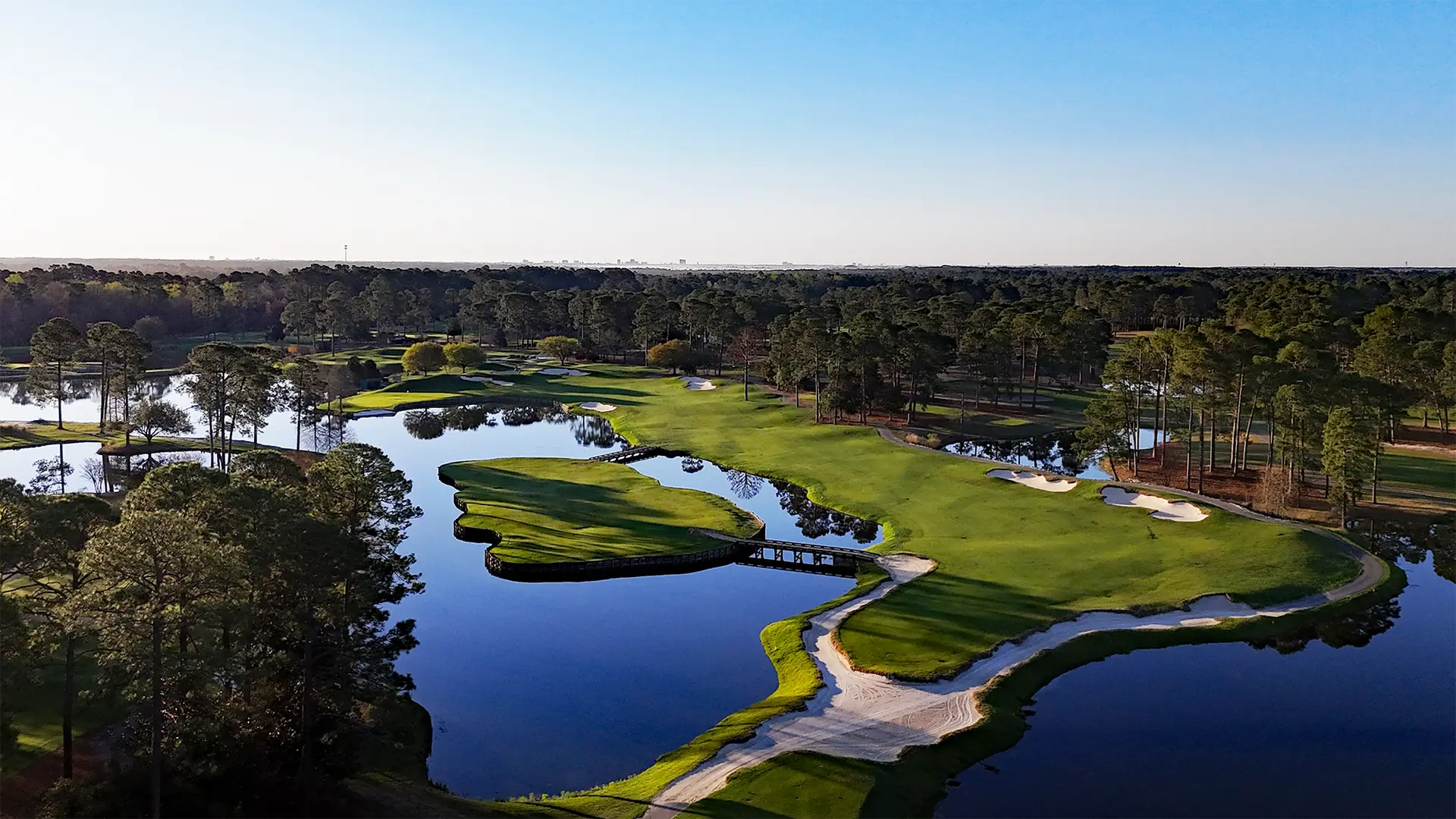
“Those who live dangerous and take aim at that island fairway might have only 150 or 160 yards into the green, but such a tee shot comes with plenty of risk—hence, this hole’s name: The Gambler.”
I find this kind of intentional design incredibly compelling. It’s not just about a pretty view; it’s about forcing a decision, quantifying a wager. It speaks to the psychological aspect of golf, something the greatest architects—from Alister MacKenzie to Pete Dye—have always understood.
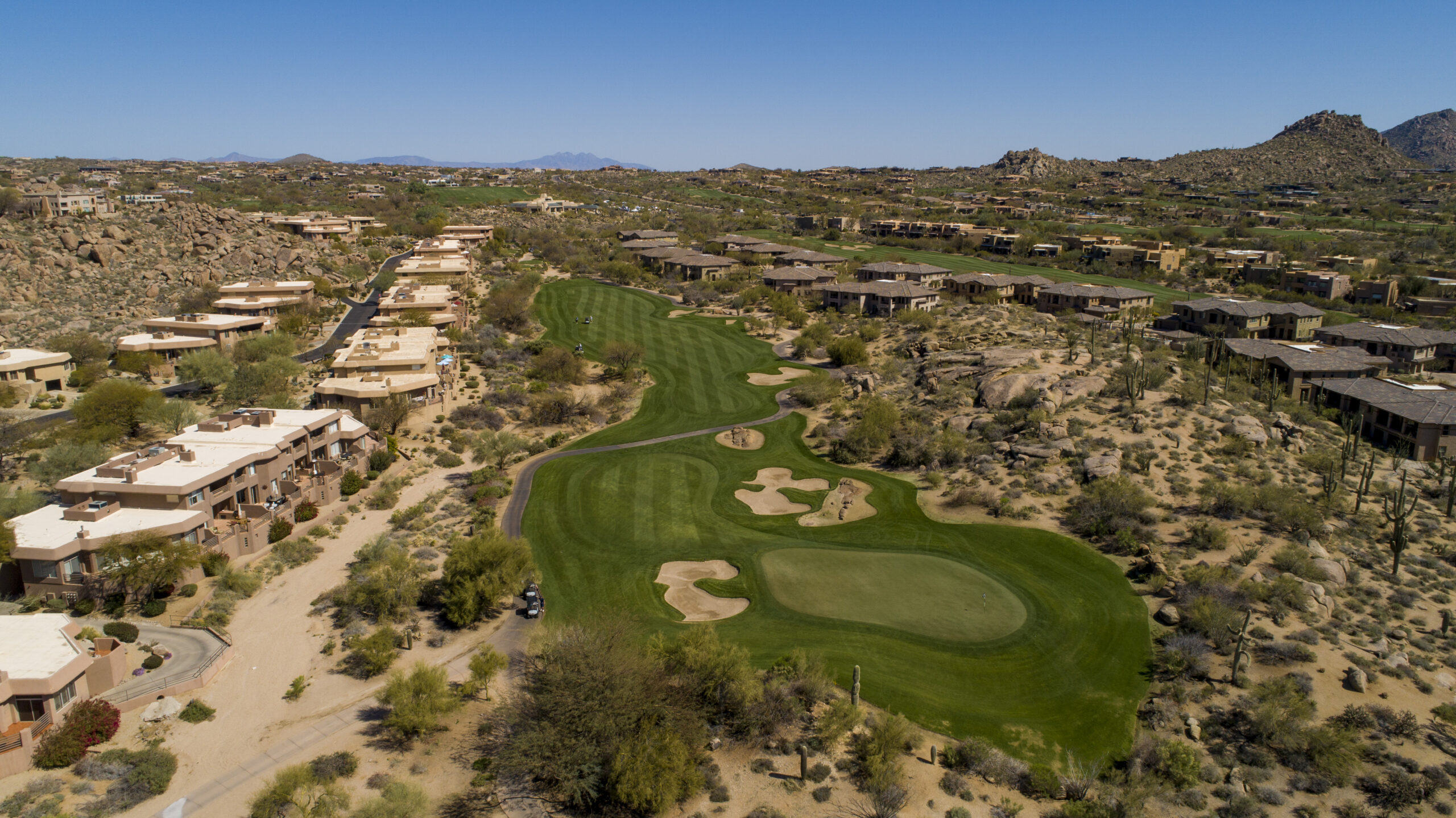
Then there’s the ‘Hidden Green’ of the 1st hole at Troon North’s Monument course in Scottsdale, Arizona. This is a brilliant opening hole, a gentle handshake that quickly reveals its clever handshake trap. From the elevated tee, the desert beauty is on full display, but designer Tom Weiskopf, a master of strategic deception, ensures that the initial view masks the full reality. The description of seeing “only the front right section of the putting surface” and the “significant slope that separates the high portion on the left from the low portion on the right” is a perfect explanation of why this name is so apt. It primes you to think about where that flag is cut, and how a seemingly safe shot to the center of the green could easily lead to a three-putt if you’re on the wrong tier.
The Epic Tales of Links and Legends
Heading across the pond, the historical weight behind hole names becomes even more pronounced. Carnoustie, a course I’ve walked in all sorts of Scottish weather, holds the 6th hole, ‘Hogan’s Alley.’ The source article reveals it was named as recently as 2003, by Paul Lawrie, a man who knows a thing or two about navigating that beast. But the name pays tribute to Ben Hogan’s legendary precision in the 1953 Open.
“That didn’t deter Ben Hogan in 1953, who hit precise drives to that area all four days of the tournament, recording birdies each day.”
To understand this hole is to appreciate the narrow corridor, the ever-present out-of-bounds to the left, and the internal bunkers that pinch the landing zone. Hogan’s ability to find that perilously precise strip, day after day, against the unforgiving elements, elevates this hole from a mere design challenge to a monument of golfing prowess. It’s not just a descriptive name; it’s a story, a testament to what’s possible on a linksland masterpiece. Carnoustie, often seen as the sternest test in Open Championship golf, demands such legendary feats.
Equally evocative is ‘Calamity Corner,’ the 16th at Royal Portrush’s Dunluce. Having felt the fierce winds whip across this course, I can attest to the sheer terror of this par-3. It’s a gaping maw, a ravine plunging 50 feet, guarding the green. The article’s description is spot on: it’s “the most dramatic and intimidating one-shot hole that isn’t set on a body of water.” It’s not just a deep gully; it’s a profound psychological barrier. Your mind tells you to bail out, but your scorecard screams for courage. The architects, in this case Harry Colt, knew exactly how to make you uncomfortable.

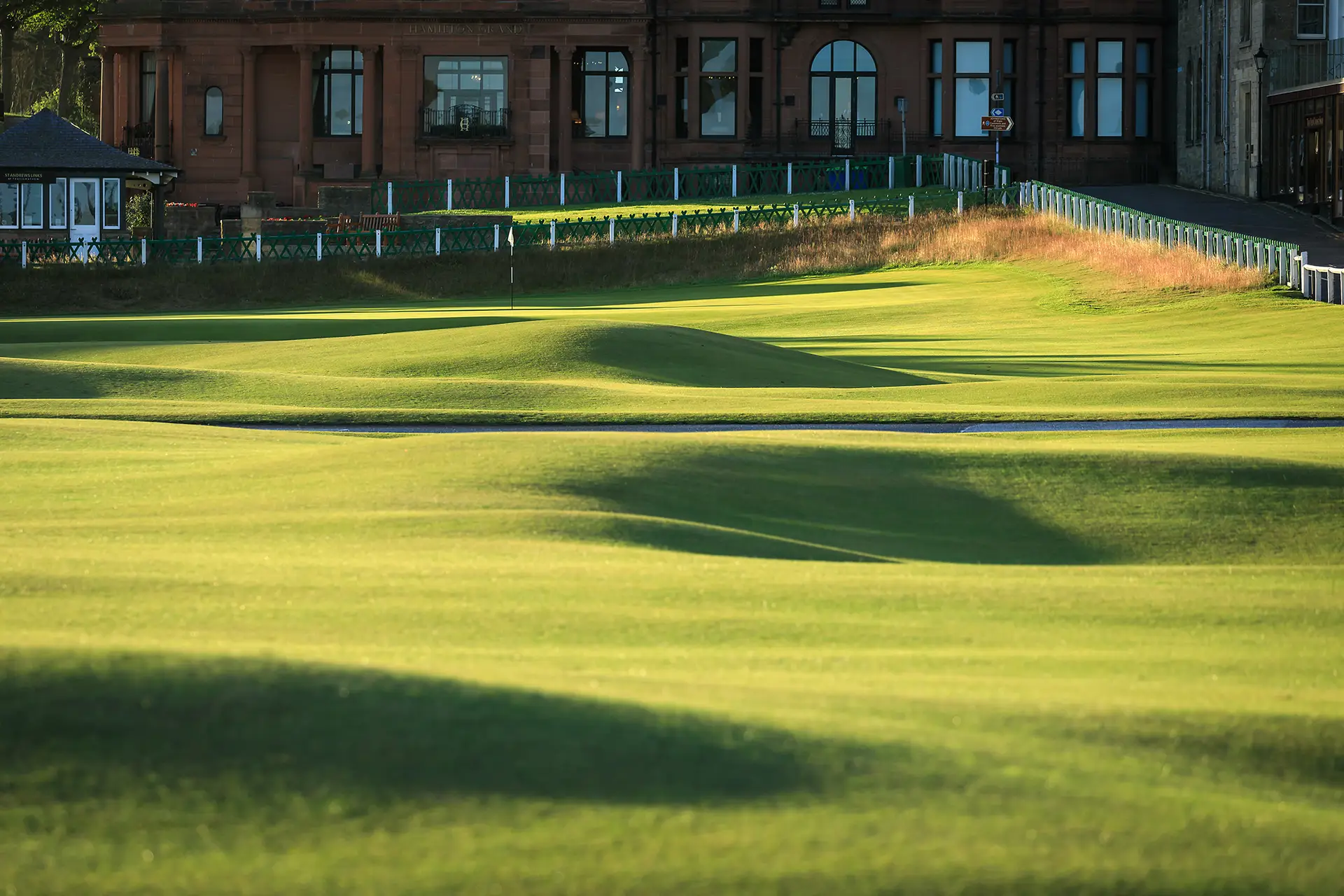
And finally, the Old Course at St. Andrews, a pilgrimage for any golf architecture aficionado. The 18th, named ‘Tom Morris,’ is a beautifully fitting tribute. While the Road Hole gets all the glory, the 18th is where so much emotional energy culminates. To hit your tee shot over the Valley of Sin, aiming for that iconic, undulating green, is to touch history. The fact that Morris—the legendary greenskeeper and four-time Open champion—shaped this very putting surface and deemed it “one of his finest works” speaks volumes. It connects the player to the very genesis of the game. You can almost feel the presence of golf’s earliest figures as you walk these hallowed links.
My journey through the world’s great courses has taught me that the best holes, much like the best books, have names that resonate. They are more than identifiers; they are portals into understanding the architect’s vision, the course’s character, and the rich tapestry of golf history. So, the next time you step onto a tee, take a moment to listen to what the course is telling you, especially if the hole has a name. It’s often the truest guide to the adventure that lies ahead.
