


As a golf course architecture enthusiast who has trod the fairways of over 200 courses across the globe, I often find myself pondering not just the genius of the layout, but the stories etched into the very soil. And sometimes, those stories are encapsulated in a single, perfectly named hole. We all know the legends – Amen Corner, the Bear Trap – those multi-hole crucibles that define entire tournaments and careers. But what about the individual poetry, the holes whose monikers whisper of the joys and terrors awaiting?
I recently delved into a fascinating article outlining some of North America and Scotland’s most aptly named individual holes, and it struck a chord. The best design, in my estimation, doesn’t just present a challenge; it evokes a response, a visceral understanding of what the architect intended. And often, a well-chosen name does precisely that, offering a glimpse into the soul of the hole before you even tee up.
Stepping Up to the Challenge: A Golfer’s Intuition
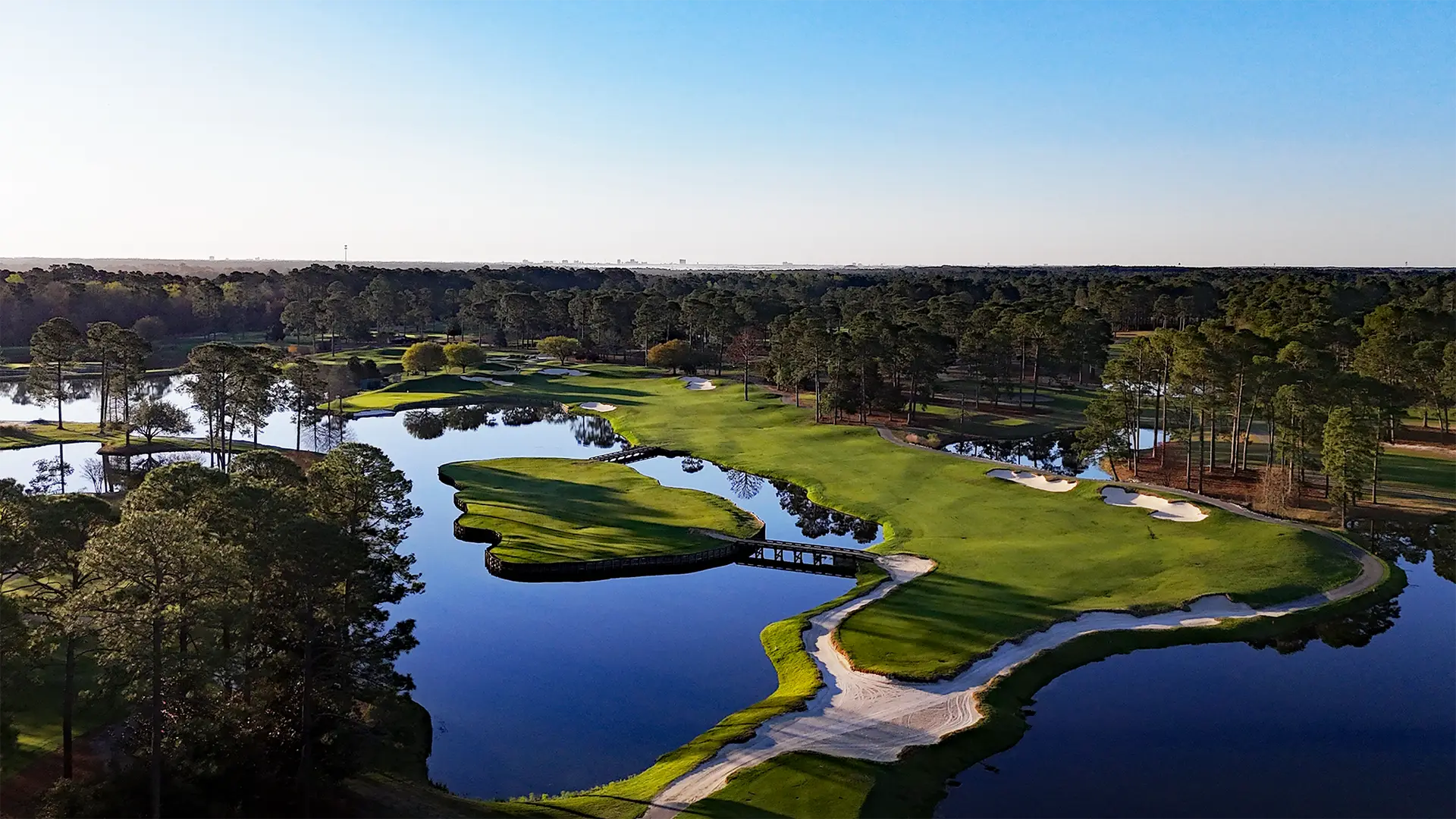
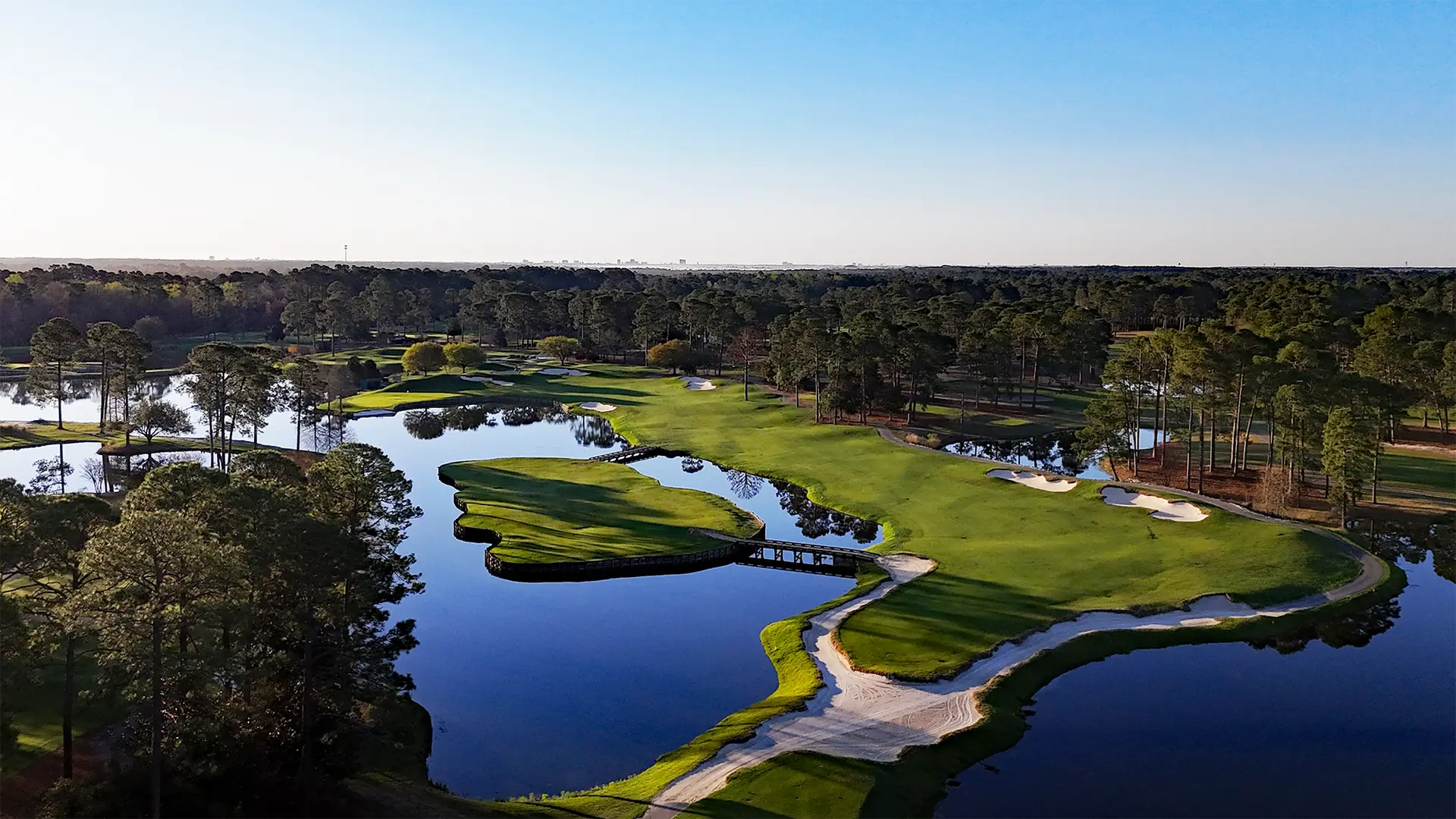
Take, for instance, the 6th hole at King’s North at Myrtle Beach National – ‘The Gambler.’ This is pure Pete Dye-esque psychological warfare, even if Dye himself didn’t design this particular course (it’s a Palmer design). A par-five, stretching out before you, seems innocuous enough. But then you see it: an island fairway, daring you to take the shortcut. The article describes it perfectly:
“Those who live dangerous and take aim at that island fairway might have only 150 or 160 yards into the green, but such a tee shot comes with plenty of risk—hence, this hole’s name: The Gambler.”
This isn’t just about distance; it’s about decision-making, the very essence of strategic design. A longer, safer route or a risky, potentially rewarding one. It’s the kind of choice that separates the confident from the conservative, the kind that makes golf endlessly captivating. I envision the late afternoon sun glinting off the water surrounding that sliver of fairway, playing tricks on a golfer’s mind, urging them to unleash their inner hero or resign themselves to a more conventional approach.
A Desert Oasis with a Twist: Troon North’s ‘Hidden Green’
My travels have often taken me to the desert southwest, where courses like Troon North’s Monument course in Scottsdale, Arizona, provide a dramatic contrast to the coastal layouts. The 1st hole there, dubbed ‘Hidden Green,’ immediately intrigued me. From the elevated tee boxes, the fairway stretches out, inviting a confident swing. But the secret, as its name implies, lies not in what you see, but what you don’t. The fairway is recessed, obscuring the true nature of the putting surface.
“Most notably, this first green is bisected by a significant slope that separates the high portion on the left from the low portion on the right. Uninformed golfers who attempt to play prudently, aiming for the center of the green, may discover that strategy works against them, especially if the hole is cut on the left.”
This is classic architectural misdirection – an oft-used tactic by savvy designers. They present a visual that misleads the uninitiated, rewarding those who understand the nuances of the layout or, in this case, those who simply trust the name. It’s a wonderful example of how a hole name can serve as a crucial piece of internal knowledge, a quiet tip-off that truly understanding a course is about more than just sightlines.

The Brutality of Stadium Golf: PGA West’s ‘Double Trouble’
When it comes to raw, unadulterated challenge, few courses deliver like the Stadium course at PGA West. Designed by Pete Dye, whose philosophy I’ve dissected countless times, this course is renowned for its intimidating features. The 5th hole, aptly called ‘Double Trouble,’ is a prime example of Dye’s penchant for pushing golfers to the brink. It’s a formidable 535-yard par-5, and the name hints at the aquatic gauntlet that awaits. You’re presented with not one, but two distinct water hazards – one spanning out on the left side, then another protecting the green. It’s a relentless test of nerve and precision. This isn’t subtle architecture; it’s a direct challenge, and Dye makes no apologies for it. The name perfectly encapsulates the mental anguish it’s sure to inflict, regardless of your handicap.
“There’s nothing mysterious about the 5th hole’s name on the Stadium course at PGA West. With a water hazard first spanning about 280 yards on the left side of this very subtle double-dogleg, and then a second lake protecting the remaining 155 yards on the right side of the fairway (not to mention the front-right portion of the green), golfers are certain to feel at least a tinge of anxiety at some point across these 535 yards.”
A Journey to the Straits: ‘Sand Box’ and ‘Burial Mounds’
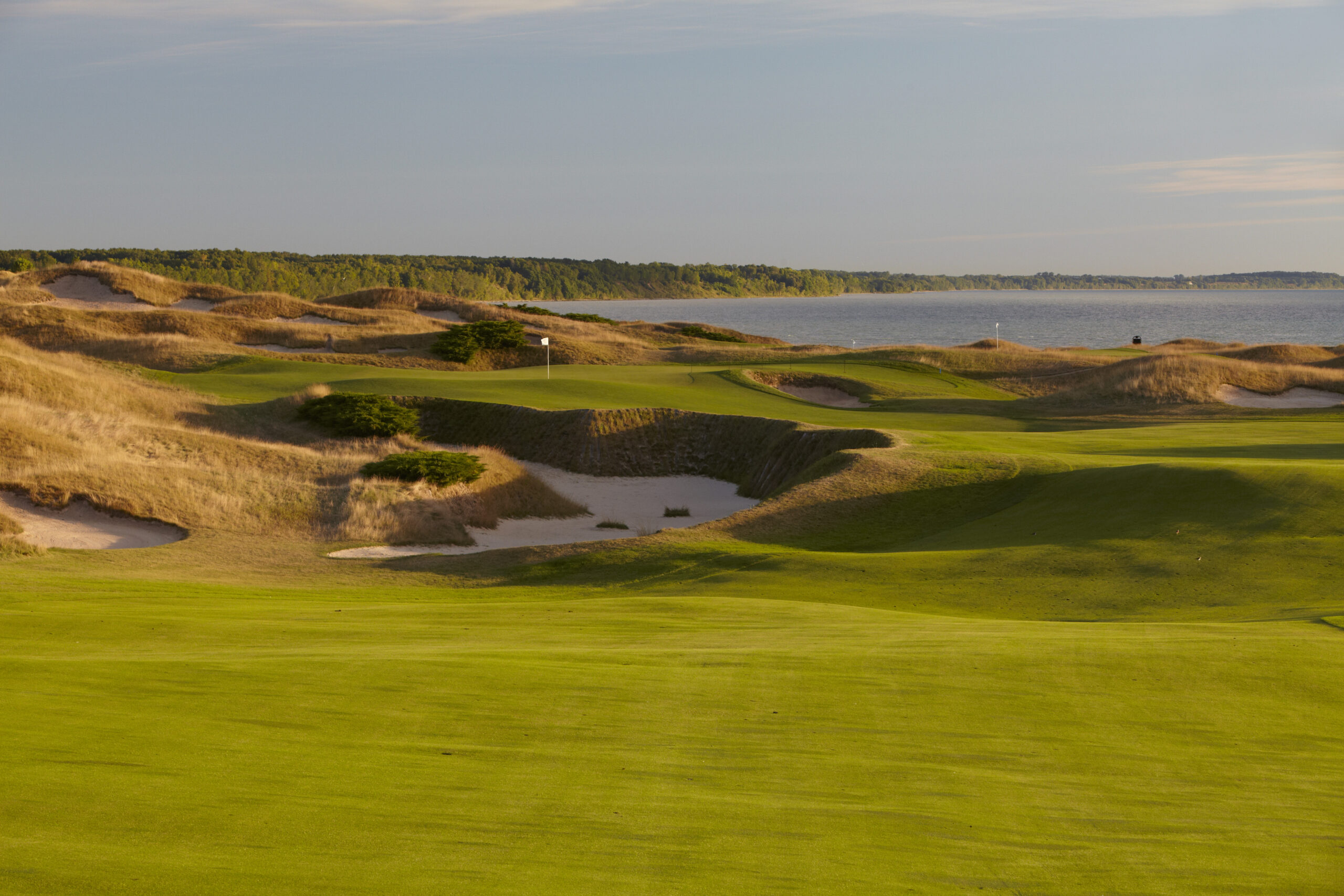
Whistling Straits and Blackwolf Run, both in Kohler, Wisconsin, are masterpieces by Pete Dye, and their names reflect his sometimes-brutal, always-artful approach. The 11th on the Straits course, ‘Sand Box,’ is a behemoth par-five, a staggering 645 yards of links-style terror. It embodies Dye’s philosophy of using bunkers not just as hazards, but as dominant features that shape strategy and define the aesthetic. The name evokes childhood play, but this is no ordinary sandbox.
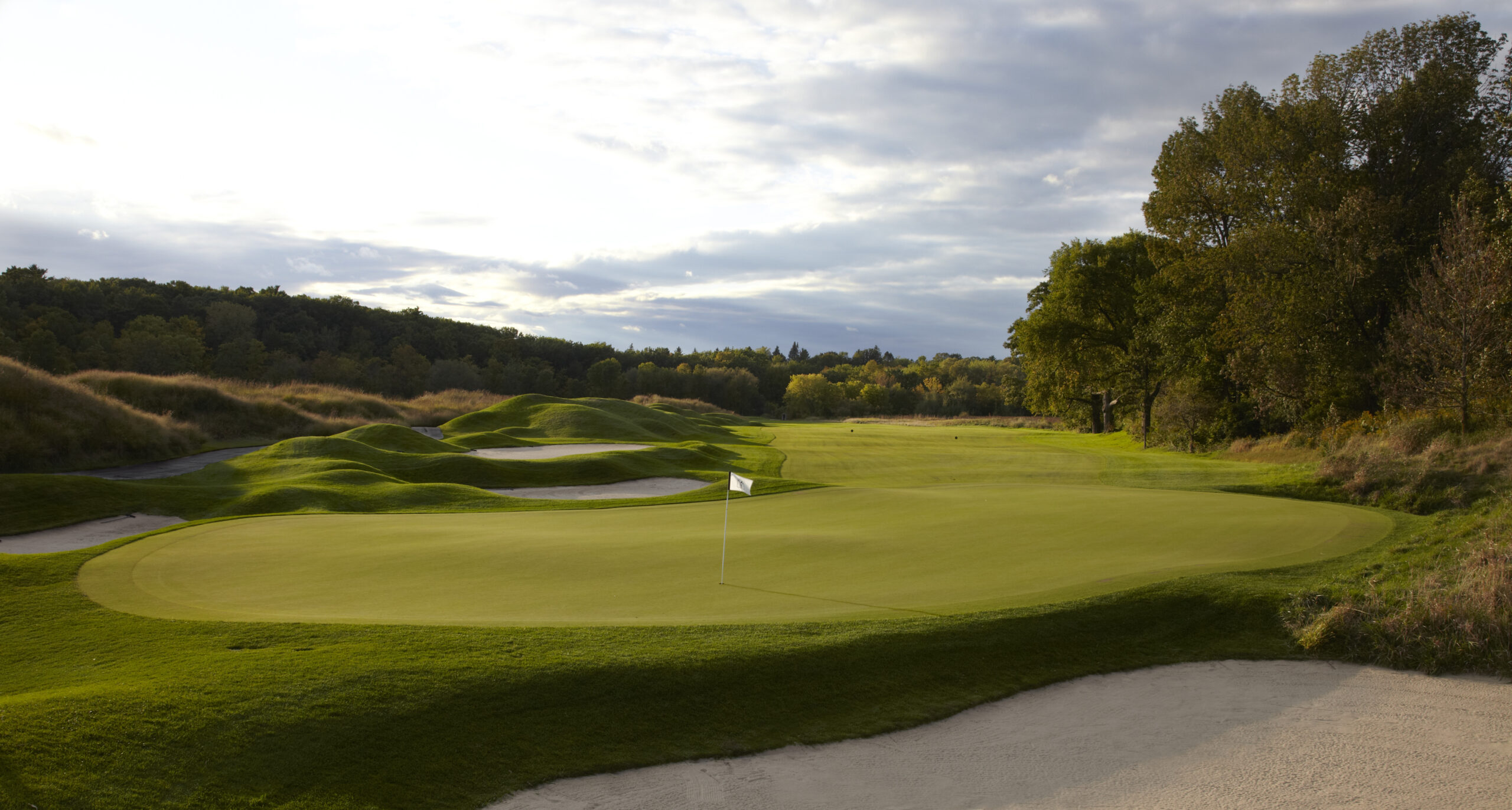
Then there’s the 2nd on Blackwolf Run’s River course, ‘Burial Mounds.’ The name itself conjures images of ancient, rugged terrain, and indeed, that’s what awaits. Miss left, and you’re in impenetrable woodlands. But miss right, and you’re in the ‘burial mounds’ – large, rough-covered moguls that promise awkward lies, twisted stances, and the distinct possibility of digging your own grave on your scorecard. It’s a testament to how integral the landscape was to Dye’s vision for this course, turning natural features into formidable golf challenges.
A Heavenly Ascent in Florida: Apogee’s ‘Stairway to Heaven’
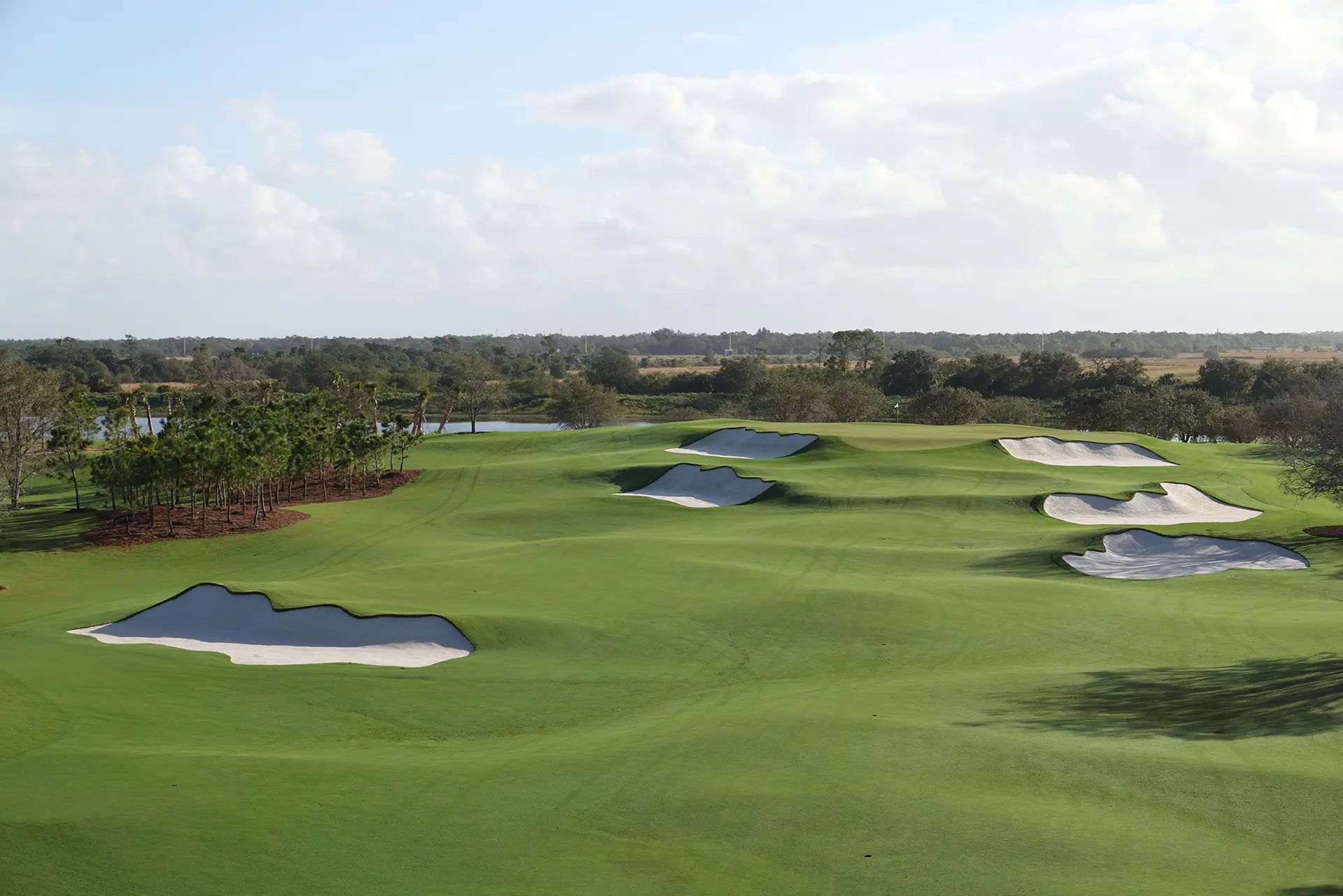
My travels have taken me to some truly unique landscapes, and the Apex course at Apogee in Indiantown, Florida, sounds like a singular experience. Conceived by Tom Fazio II and Mike Davis, this track literally rose from the earth, built upon millions of cubic yards of relocated soil. The 13th hole, ‘Stairway to Heaven,’ perfectly captures this engineered elevation. A relatively short par-four, it plays decidedly uphill, with distinct ledges guiding the eye – and the ball – to the putting surface. It paints a picture of a gradual, rewarding climb, leading to a potential birdie opportunity. This is a design that celebrates artificial topography, turning what was once flat land into a dramatic, vertically engaging experience.
Historical Echoes and Dramatic Landscapes: Carnoustie and Royal Portrush
Venturing across the pond, we find names steeped in history and natural drama. ‘Hogan’s Alley,’ the 6th at Carnoustie’s Championship course, speaks of legendary play. While named more recently, it commemorates Ben Hogan’s surgical precision during his 1953 Open Championship victory. This par-five demands a calculated drive, threading the needle between central bunkers and out-of-bounds. Hogan’s mastery in this narrow corridor gives the hole its fitting title, a tribute to an iconic moment in golf history.
Then there’s ‘Calamity Corner,’ the 16th at Royal Portrush’s Dunluce course. The name alone sends shivers down my spine. This is a par-three, 236 yards from the back, playing over a ravine that plunges 50 feet. It’s a jaw-dropping testament to the raw power of linksland, where nature dictates the terms. The name isn’t merely descriptive; it’s a warning, a promise of the potential for disastrous outcomes if you don’t commit to the shot. Having played countless links courses, I know the feeling of standing on a tee box, the wind whipping, and a name like ‘Calamity Corner’ sharpening every nerve ending. This is golf at its most primal, a true test of nerve and execution.

The Cradle of Golf: St. Andrews’ ‘Tom Morris’
Finally, we arrive at the Old Course at St. Andrews, the spiritual home of golf. While the Road Hole, 17, often steals the spotlight with its obvious hazards, the 18th, named ‘Tom Morris,’ carries an equal, if not deeper, resonance. This hole is a living tribute to a monumental figure in golf history, Old Tom Morris, who served as greenskeeper and shaped this very green. His shop, which once abutted the putting surface, is now the official Open Championship retail space – a continuous thread connecting past to present. The name honors not just a man, but an enduring legacy, a reminder of the hands that literally shaped the game we love. It’s a testament to how crucial the work of greenskeepers and architects has been, and continues to be, in sculpting these magnificent arenas of play.

These names, from ‘The Gambler’ to ‘Tom Morris,’ are more than just labels; they are miniature essays on golf course architecture, glimpses into the soul of a design and the history it embodies. They invite contemplation, provoke strategic thinking, and, perhaps most importantly, add another layer of richness to the greatest game ever played. As I continue my travels, I’ll keep listening for these whispers from the fairways, these perfectly chosen names that tell a story before the first swing is even taken.
