


As a golf course architecture enthusiast, I’ve had the distinct pleasure of traversing fairways across over 200 courses worldwide, and in that journey, few things capture my imagination quite like a brilliantly named golf hole. Sure, we all know the legendary stretches—the Bear Trap, the Snake Pit, Amen Corner—those multi-hole gladiatorial arenas that have earned their intimidating monikers. But as the recent piece reminded me, the magic of a name isn’t confined to three-hole sequences; an individual hole, with a perfectly apt alias, can tell a story, reveal a challenge, or even echo history before you ever reach for a club.
The true genius of course design often lies in its ability to communicate. A great architect, whether it’s a visionary like Pete Dye with his theatrical bunkering or a minimalist master like Tom Doak, crafts a narrative with earth, sand, and water. When a hole then acquires a name that encapsulates this narrative, it’s a symphony of design and description. Let’s delve into a few such gems, plucked from a recent article that beautifully spotlights these uniquely named holes.
The Allure of the Apt Allias
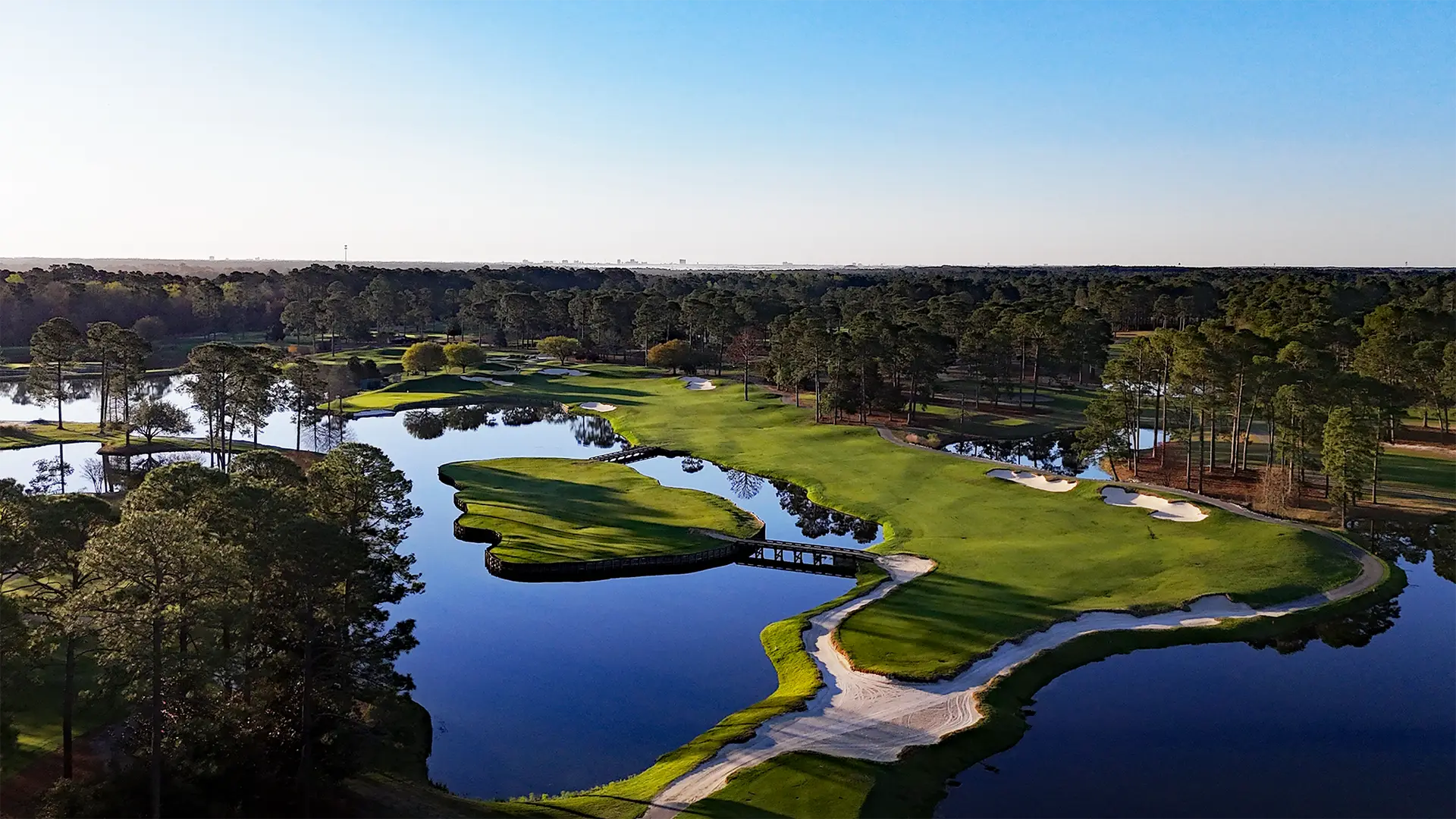
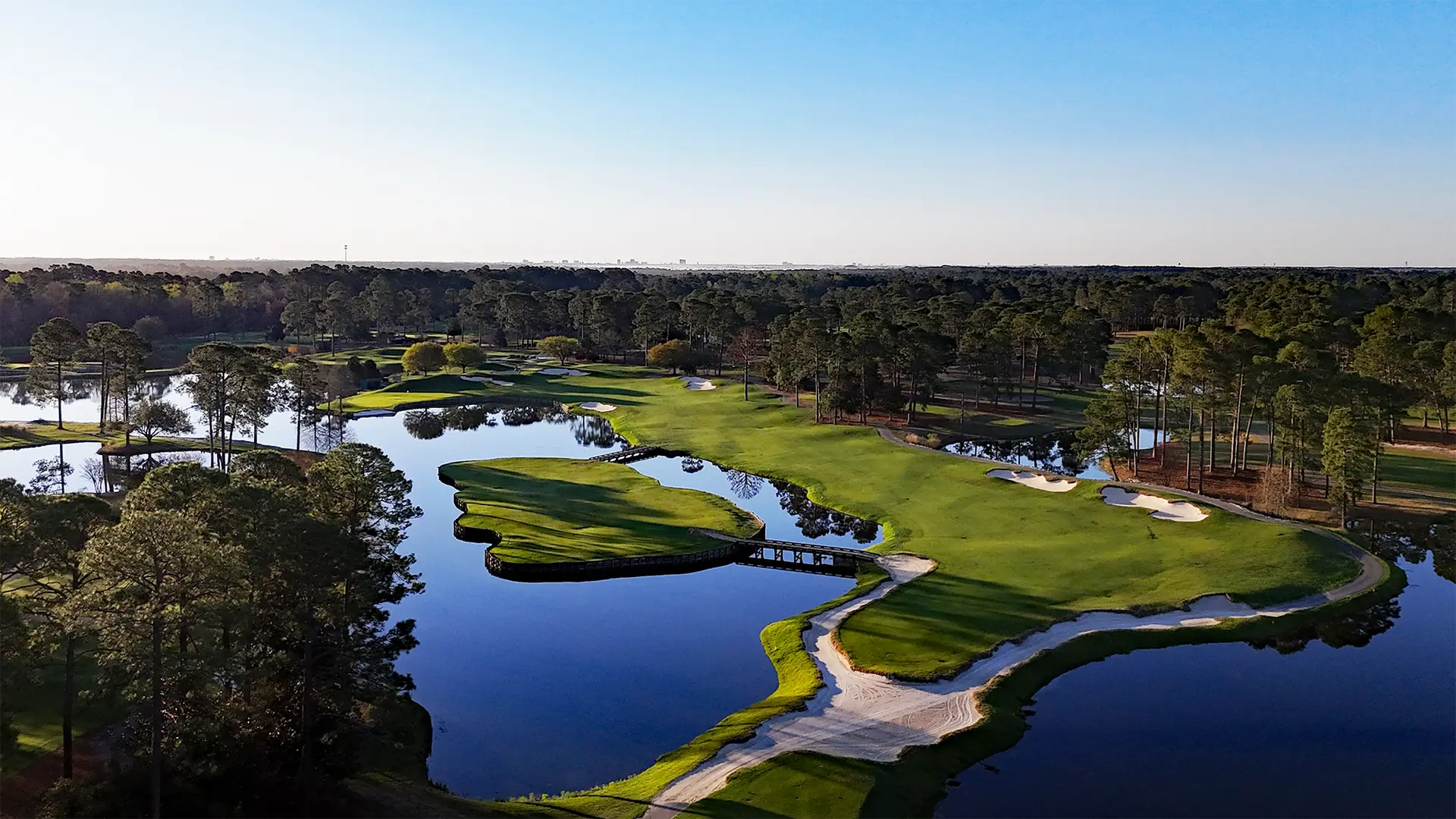
Consider first the audacious challenge presented by Hole 6, “The Gambler,” at King’s North at Myrtle Beach National. This isn’t merely a par-five; it’s a strategic dare, pure and simple. Standing on the tee, the primary landing area beckons, safe and predictable. But then your eye drifts left, across a watery chasm, to a little island of fairway. It’s a shortcut, a tempting siren call for those who crave risk and reward. The article perfectly captures this:
“Those who live dangerous and take aim at that island fairway might have only 150 or 160 yards into the green, but such a tee shot comes with plenty of risk—hence, this hole’s name: The Gambler.”
This is classic risk-reward architecture, a strategic dilemma laid bare. It’s not about brute force, but about a calculated gamble that could shave strokes or sink your round. Arnold Palmer’s design here, with that clear visual temptation, makes “The Gambler” feel less like a hole and more like a pivotal moment in a game of high stakes poker. I appreciate how the name immediately frames the decision-making process before you even draw a club.
The Desert’s Deception and Links Legends
Across the country, amidst the stark beauty of the Sonoran Desert, lies “Hidden Green” – the 1st hole of the Monument course at Troon North in Scottsdale, Arizona. This name speaks volumes about the deceptive nature of desert golf and the design philosophy at play. From an elevated tee, you get a grand vista, but as the article points out, the real secrets are revealed only as you get closer:
“Because the fairway is slightly recessed, players will only be able to see the front right section of the putting surface, and that sliver of the dance floor doesn’t even begin to tell the story of the green complex’s shape or its contours.”
This is where the architect, a collaboration by Tom Weiskopf and Jay Morrish, truly shines. They understand that perception is not always reality. The subtle recession, the invisible contours – it’s a brilliant way to make a relatively benign-looking approach shot into a strategic puzzle. Many courses would use a massive bunker or water hazard for intimidation, but here, the designers use the very topography of the land to create an enigma, rewarding those who understand its subtleties and punishing those who play blindly to the visible sliver of green. Having played Troon North, I can attest to the strategic brilliance of this opening hole; it conditions you for a round where local knowledge and careful examination of the ground are paramount.

Shift hemispheres, and you find yourself steeped in history. The Old Course at St. Andrews, a pilgrimage for every golf enthusiast, boasts holes whose names resonate with legend. While many rightly laud the infamous “Road Hole” (17th), the article brings deserved attention to the final hole, the 18th, “Tom Morris.” The name immediately evokes the colossal figure of Old Tom Morris, the course’s longtime greenskeeper and one of the integral shapers of the game itself.
“After all, the course’s longtime greenskeeper once worked out of a shop adjacent to the hole’s putting surface. (That commercial space is now the official retail shop for the Open Championship.) Additionally, Morris shaped the closing hole’s green, and, as legend has it, he considered it one of his finest works.”
This is the kind of detail that makes golf architecture so rich. It’s not just about what you see; it’s about the hands that shaped it, the history embedded in every undulation. To stand on the 18th tee at St. Andrews, with the Swilcan Bridge and the R&A clubhouse in view, and know that you are walking in the footsteps of the game’s earliest custodians, and playing a green designed by Old Tom himself, adds layers of reverence to the experience. It serves as a reminder that the greatest courses are living museums, their names etched with stories of the past.

A Journey Worth Taking
These examples merely scratch the surface of the wonderful world of aptly named golf holes. Each name, whether hinting at a strategic conundrum, a hidden peril, or a historical echo, elevates the golfing experience beyond just hitting a ball. They invite us to engage with the course on a deeper level, to appreciate the thought and history woven into its very fabric. Whether you’re planning a trip to the Scottish Links, the desert oases of Arizona, or the coastal charms of Myrtle Beach, seeking out these holes with their evocative names will undoubtedly enrich your golf travels. They remind us that the game is as much about the narrative unfolding on the ground as it is about the score on the card.
So next time you tee it up, pay a little extra attention to the names on the scorecard. They might just tell you more about the architect’s intent, and the challenges ahead, than any yardage book ever could.
