


Hello, fellow golfers! Sarah Chen here, your golf instruction editor for The Daily Duffer. As a PGA-certified instructor with over 15 years of experience, I’ve had the privilege of working with everyone from touring pros to weekend warriors. My belief is simple: with the right guidance and effort, anyone can elevate their game. Today, we’re diving into a topic that was highlighted in a recent experience at a truly legendary facility: the incredible impact of properly fitted equipment, especially when it comes to refining your short game and optimizing your long-game power.
The recent “Fully Fit” journey took some lucky golfers to the Titleist Performance Institute (TPI) in Oceanside, California. Now, TPI isn’t just any golf facility; it’s a golfer’s paradise. Picture this:
“TPI isn’t just a range; it’s the largest range you’ve ever seen, which doubles as a testing facility, a 9-hole short course, a 9-hole par-3 course, a fitness center and so much more. You could practically live at TPI and never need anything else to play good golf.”
This kind of environment, dedicated to optimizing every aspect of a golfer’s game, really underscores the importance of marrying your swing mechanics with the right tools. Let’s explore how club fitting can unlock new potential in your game.
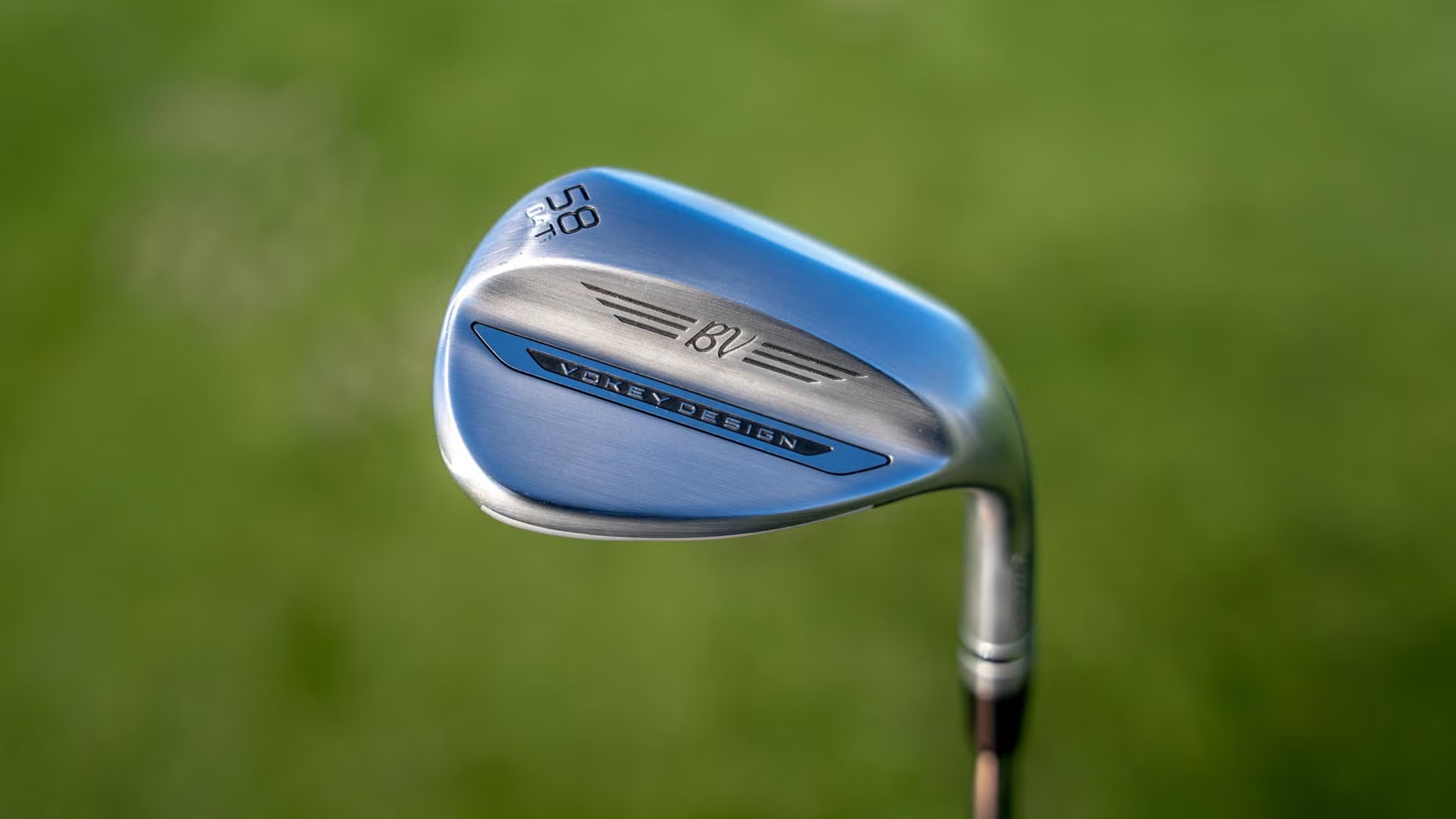
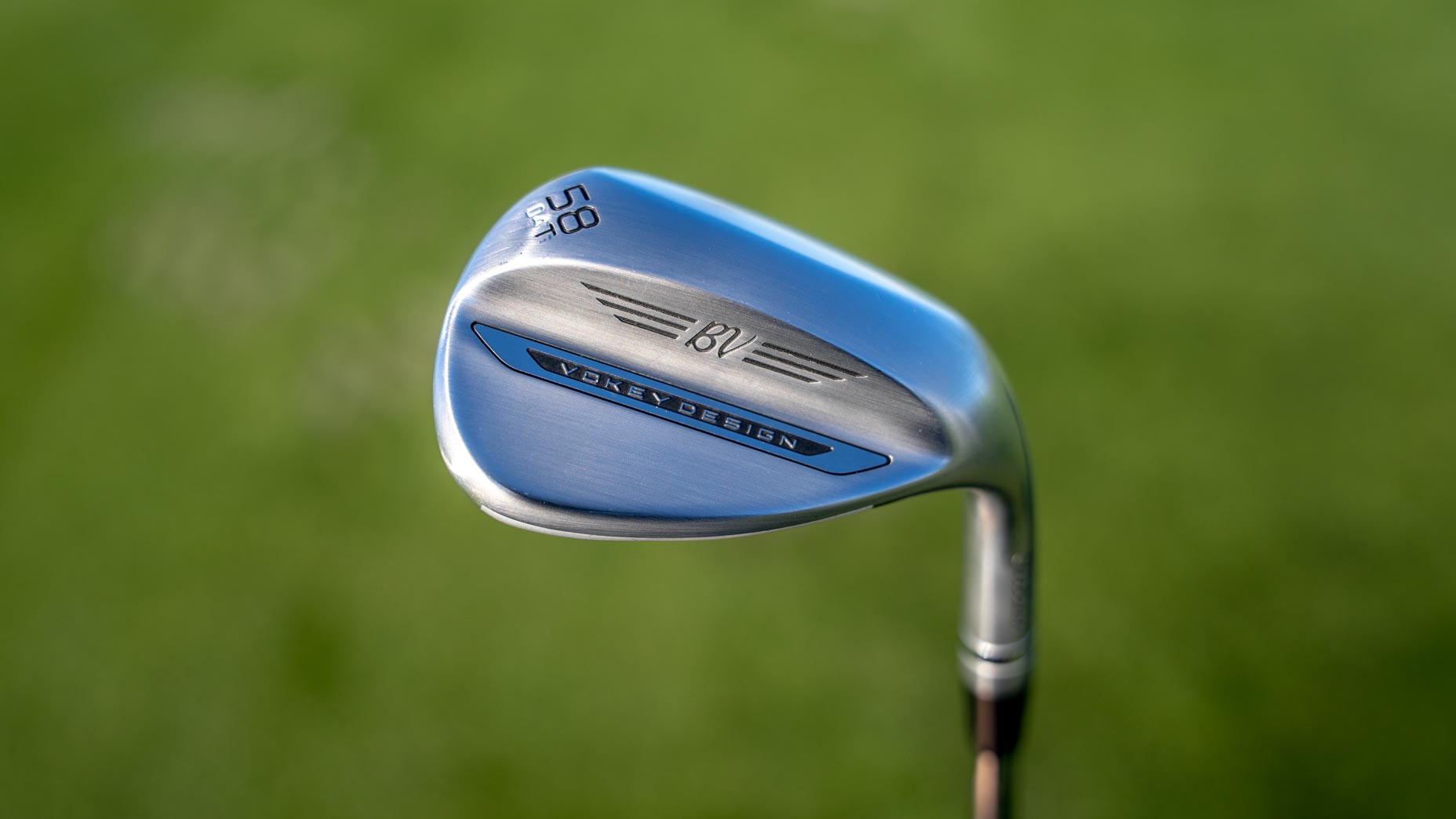
Unlocking Short Game Magic: The Right Wedge Grind
One of the most inspiring takeaways from the TPI experience was Maddi’s “aha” moment with her wedges. She discovered a shot she didn’t realize she had in her arsenal.
“That’s where Maddi ended up having her “aha” moment as she found a wedge that added a new shot to her game, a low spinner. Previously, she liked to play shots that rolled out on the green, but during her fitting, she unlocked the spinner with the proper grind (a 60.10S) and saw how much more reliable it could become.”
This is precisely what I preach to my students! Your wedges are your scoring clubs, and having the right grind on your wedge can dramatically change how you interact with different lies and execute various shots. A “grind” refers to the shaping of the sole of the wedge, which affects turf interaction. Maddi finding a 60.10S (a 60-degree wedge with 10 degrees of bounce and an S-Grind) allowed her to produce a low-spinning shot. This means the club could slide under the ball more effectively without digging, imparting more spin for better control.
Think about it: if your sole is too wide or too narrow for your swing or the conditions you play in, you might struggle with chunky shots or thin shots. The right grind allows for cleaner contact and more consistent performance around the greens. This isn’t just about feel; it’s about engineering that supports your technique.
Try This: Wedge Audit & Practice
- **The “Dollar Bill” Test:** Head to the short game area with your current wedges. Place a dollar bill (or a piece of paper) directly behind your ball. Try to hit a pitch shot out, leaving the dollar bill untouched. If you can consistently do this, your wedge’s sole is likely interacting well with the turf. If you tear it often, it might indicate issues with your grind or technique.
- **Bounce Exploration:** If possible, try borrowing or demoing wedges with different bounce angles (e.g., low, mid, high bounce). Hit shots from various lies – tight lies, fluffy rough. Notice how the club interacts with the ground. Does one feel like it glides better? This direct experience will help you understand the impact of bounce on your turf interaction.
Power & Consistency: The Right Irons and Driver
It’s not just about the short game. The TPI experience also highlighted significant gains in the long game through proper fitting. Sean, for example, thought he had the right irons, but the fitting proved otherwise:
“He was right, as he picked up about 8 mph of ball speed by switching to the larger T150, which proved to be much more consistent as well.”
Eight miles per hour of ball speed is a substantial gain, translating to significant yardage! And it wasn’t just about distance; it was about consistency. Often, golfers struggle to extract maximum performance from their clubs because the shaft flex, weight, or clubhead design doesn’t match their swing. A club that’s too heavy can slow you down, while one that’s too flexible can lead to erratic strikes and loss of control.
Similarly, Jake’s driver fitting showed how modern technology, paired with a custom fit, can mitigate mishits:
“His new build actually reduced ball speed loss on mishits as well.”
This is a game-changer! We all hit mishits. A club that’s designed to be more forgiving on those less-than-perfect strikes will keep you in play more often and prevent those frustrating big misses. It’s not about finding a magic wand; it’s about finding the right engineering that complements your swing tendencies.
Try This: Consistency Check with Your Driver
- **The “Face Spray” Drill:** Use face impact spray (available at most golf retailers) on your driver face before hitting 10-15 drives. After each shot, check where on the face you made contact. Do you see a consistent pattern, or are your impacts scattered? If they’re all over the place, it could be a sign that your driver isn’t properly matched to your swing, or that a fit could help improve your strike consistency.
- **The “Flight Path” Observation:** Pay close attention to your ball flight on mis-hits. Are they consistently hooking, slicing, or ballooning? While swing mechanics are always a factor, a correctly fitted driver can often minimize the severity of these mis-hits, helping to bring more of your “misses” back towards the centerline.
The Bigger Picture: Trusting Your Tools
The ultimate benefit of properly fitted clubs extends beyond just numbers on a launch monitor. It instills confidence. When you know your wedges can hit that precise low spinner, or your driver is minimizing ball speed loss on your less-than-perfect swings, you step up to the ball with a different mindset. This mental edge is invaluable in golf. You spend less time worrying about your equipment and more time focusing on executing your shot.
As the “Fully Fit” panelists experienced, receiving demo versions of their newly fitted clubs and then immediately playing a par-3 course is a fantastic way to internalize that confidence. They got to see the sunset over the Pacific Ocean, quite literally capping off an incredible day of discovery. This isn’t just about gear; it’s about empowering your game.
In my teaching experience, I’ve seen firsthand how a golfer’s attitude shifts when they gain trust in their equipment. It allows them to commit fully to their swing and their shot selection. If you’re looking to take your game to the next level, a professional club fitting is not just an option, it’s a vital step. You might be surprised at the “aha” moments waiting for you!
