


The Cognizant Classic Paradox: Why This Weakened Field Might Be Exactly What the Tour Needs
Look, I’ve been around professional golf long enough to know that when the marquee names start skipping events, it usually signals one of two things: either the tour is in trouble, or it’s in transition. After 35 years covering this game—including my years caddying for Tom Lehman back when we didn’t have the luxury of picking and choosing our schedule—I’d argue the Florida Swing opening this week with the 2026 Cognizant Classic at PGA National is actually a healthy sign, even if it doesn’t look like it on the surface.
Yes, the field is thinner than we’d like. Yes, the big names are elsewhere after grinding through two Signature Events. But here’s what strikes me: the PGA Tour is finally learning that not every event needs to be a superstar showcase to matter. Sometimes, the best golf stories come from unexpected places.
Reading Between the Odds
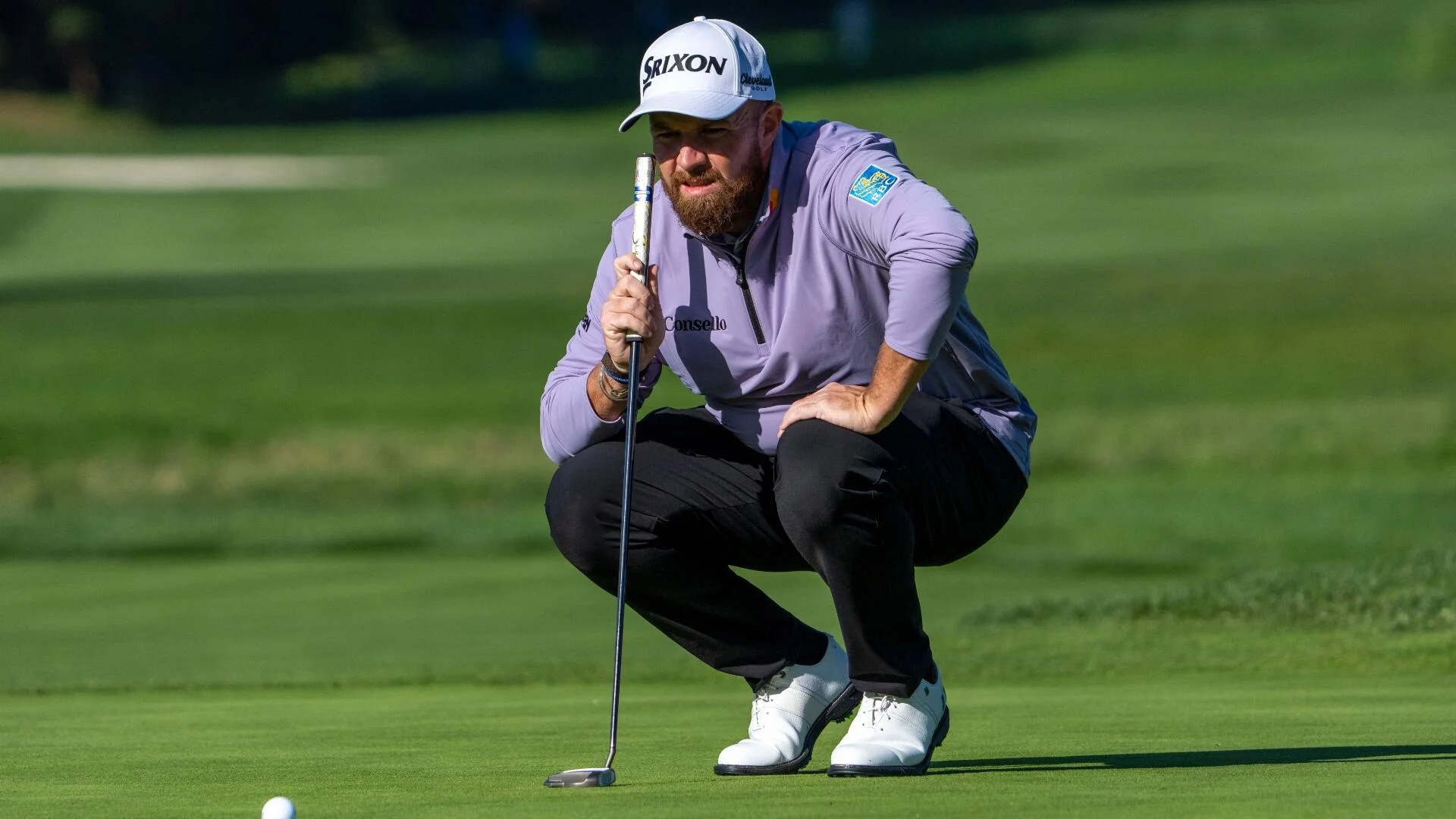
When I look at the 2026 Cognizant Classic odds, I see something interesting happening. Ryan Gerard and Shane Lowry are co-favorites at +1600, which tells you the oddsmakers are genuinely unsure about this field. In my experience, that’s when the real golf happens—when there’s genuine uncertainty rather than a coronation waiting to occur.
What really caught my attention, though, is what SportsLine’s model is saying. According to their analysis, “Lowry, the co-favorite this week and the 2019 Open Championship winner, doesn’t even crack the top 3. He’s a golfer to fade this week.” That’s a bold call, and it speaks to something I’ve been noticing about Lowry’s game lately. He’s a major championship winner playing like a guy searching for his identity on the regular tour. One top-10 finish in nearly a year—even factoring in that T8 at Pebble Beach—suggests his game is more suited to the biggest stages than the grinding weekly circuit.
In my three decades covering the tour, I’ve seen this pattern before. Major winners sometimes struggle in non-major events because the mental makeup that wins big championships doesn’t always translate to closing out regular tournaments. Lowry’s got the pedigree, but pedigree only takes you so far in February.
The Berger Angle: Finding Value in the Margins
Now here’s where it gets interesting. The model is “extremely high on Daniel Berger as a +2700 longshot, saying he’s a top-six contender despite not being in the top 10 on the odds board.” That’s the kind of contrarian pick that either looks brilliant or foolish come Sunday evening—there’s rarely a middle ground.
But I’ll tell you something about Berger that casual bettors might miss: this guy has history at this event. Three top-five finishes at what used to be the Honda Classic, including a strong showing in 2022. More importantly, Berger is the kind of player who doesn’t get overexposed. He’s not burned out from playing back-to-back Signature Events. He’s hungry, and hungry players on courses they’ve already figured out tend to play pretty well.
Having worked with enough top players to understand their mentality, I know that the guys flying somewhat under the radar often play their best golf. There’s less pressure, less expectation. Berger’s recent struggles don’t concern me as much as his venue history excites me.
Brooks, Searching for His Footing
Brooks Koepka at +3300 is a fascinating case study in recalibration. The guy missed the cut at Phoenix—a brutal blow for someone trying to re-establish himself. This is his third event since rejoining the PGA Tour, and you can see the rust is real. But here’s what I won’t do: count out Brooks Koepka. Ever. I’ve covered enough of his career to know that he responds to adversity in ways most players can’t.
That missed cut might be exactly what he needed to reset. Sometimes you have to bottom out before you climb back. The fact that he’s even playing these events, rebuilding in real time, shows a competitor’s mentality. Whether he contends this week is one thing; whether he’s eventually a factor again is another question entirely.
Why This Matters Beyond the Leaderboard
What really interests me about this week isn’t who wins, but what it says about the evolution of professional golf. The Signature Events have created a natural hierarchy, and that means the weeks in between look different. They look thinner. They look hungrier. And frankly, that’s not necessarily bad for the sport.
In my experience, the best tournaments often aren’t the ones with the deepest rosters of superstars—they’re the ones where there’s genuine competition for positioning. Where a guy like Daniel Berger can shake loose and remind everyone why he belongs in big conversations. Where younger players get genuine opportunities to make their mark.
The Florida Swing has always been about reset and repositioning. Players use these weeks to find their rhythm before Augusta and beyond. The Cognizant Classic might be light on star power, but it’s heavy on opportunity. And in golf, opportunity often produces the most compelling narratives.
I’ll be watching closely. Something tells me this smaller field is exactly where we’ll find some of the tour’s most important stories this season.
