


Hello, Daily Duffer readers! Sarah Chen here, and I’m excited to dive into a topic that can often be the most frustrating, yet most rewarding, part of our game: putting. As your golf instruction editor, and having spent over 15 years on the range and greens with golfers of all levels, I can tell you unequivocally that putting is where tournaments are won and lost. And thankfully, it’s an area where anyone can see significant improvement with a little focus and the right approach.
I just read a fascinating piece on The Daily Duffer about the putters of recent Players Championship winners. It’s a great reminder that even at the highest level, the putter is an indispensable tool. As the article so aptly puts it:
“While we don’t know who the 2026 Players Championship winner will be, we can make a bold prediction: He will have a putter. Bold speculation, to be sure.”
While that’s a lighthearted take, the underlying truth is profound. Your putter isn’t just a club; it’s an extension of your touch, your feel, and your confidence on the green. Looking at the list of champions, we see a variety of successful setups:
The Winning Wands: A Closer Look

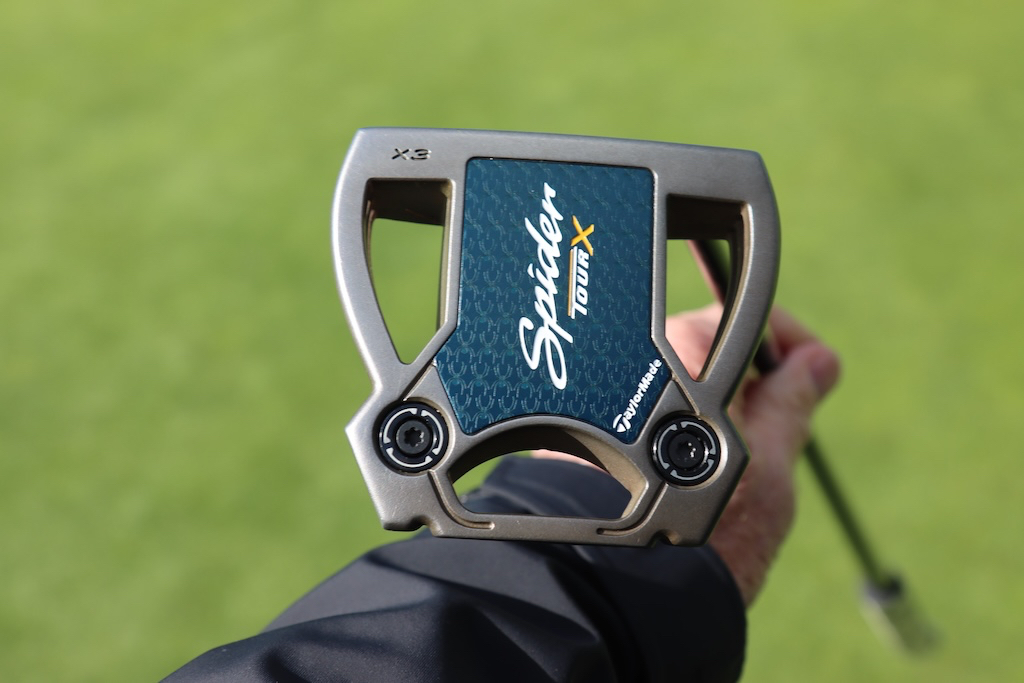
Rory McIlroy (2025, -12): TaylorMade Spider Tour X with a SuperStroke Zenergy Pistol Tour grip.

Scottie Scheffler (2024, -20): TaylorMade Spider Tour X with a Golf Pride Pro Only grip. (Notice the repeat!)


Scottie Scheffler (2023, -17): Scotty Cameron Special Select Timeless Tourtype GSS Tour Prototype.


Cameron Smith (2022, -13): Scotty Cameron 009M Tour Prototype.

Justin Thomas (2021, -14): Scotty Cameron X5.5 Tour Prototype with a SuperStroke Pistol GT Tour grip.
What’s clear from this list isn’t that everyone uses the same putter, but that every winner has a putter they trust implicitly. Your putter, regardless of its brand or model, needs to feel right in your hands and instill confidence. Much like these champions, you need to develop a putting stroke that is consistent and repeatable. My philosophy for putting instruction focuses on three key pillars: setup, stroke, and green reading. Let’s break them down.
Pillar 1: The Foundation – Your Setup
Before you even think about moving the putter, your address position is paramount. A good setup ensures that your eyes are over the ball, your putter face is square to your target, and your body is stable. This might sound basic, but countless amateur golfers struggle with consistency because their setup isn’t repeatable.
Why does setup matter so much? Because it influences everything else. If your eyes are inside or outside the target line, your perception of the line will be off. If your putter face isn’t square at address, you’ll be forced to manipulate the club during your stroke, leading to inconsistency. My goal for you is to set up in a way that minimizes extra movements and allows for a pure, pendulum-like stroke.
Try this: “Alignment Stick Eye-Line Drill”
Place an alignment stick (or even another putter) on the ground pointing at a hole. Address your ball as you normally would, then place a second alignment stick straight down from your eyes. If your eyes are correctly over the ball, this second stick should align perfectly with the ball on the target line. Adjust your stance until you consistently achieve this. Practice this until it feels natural.
Pillar 2: The Pendulum – Your Stroke
Once your setup is dialed in, we focus on the stroke itself. I often tell my students to think of their putting stroke like a pendulum, with minimal wrist action. This creates a consistent arc and contact point, which are crucial for directional control and speed.
“Motivated by this certain reality and ever-governed by our nostalgic sensibilities, we wanted to take a look at the putters of recent past champions. Their winning wands, if you will.”
Just like a winning wand, your putter needs to swing freely. The size of your backstroke will dictate distance, while the consistency of your tempo will ensure solid contact.
Here’s a drill: “Gate Drill for Path and Face”
On a flat putting green, set up two tees slightly wider than your putter head, creating a “gate” through which your putter must swing. Place a ball just inside these tees. Then, place two more tees about 6-8 inches in front of the ball, just outside your intended target line, creating another gate for the ball to roll through. This drill helps train both your putter path and ensures your face is square at impact for the ball to go through the second gate. Start with short putts (3-5 feet) and gradually extend the distance as your confidence grows.
Pillar 3: The Art – Green Reading
Even with a perfect stroke, if you’re not reading the greens effectively, you’ll struggle. Green reading is a skill developed over time, combining visual assessment with understanding how different slopes, grass grain, and even moisture affect the ball’s path. It’s not just about seeing the break; it’s about committing to it.
My approach to green reading involves a systematic process. First, walk around the hole, observing the slope from all angles. Second, use the “feet” method: feel the slope through your feet. The low side will always feel lower. Third, trust your gut. Sometimes the first read is the best read. And finally, when in doubt for short putts, play less break rather than more. You can always make a putt that’s a little straight, but it’s tough to make one that breaks too much.
“Without further ado, then, here are the putters of the past five winners of the Players Championship.”
Just as these champions have honed their skills with their chosen tools, you too can master the art of green reading.
Try this: “Ladder Drill for Speed Control and Green Reading”
Find a relatively flat section of the putting green. Choose a hole. Putt three balls, aiming to stop the first ball 1 foot past the hole, the second 2 feet past, and the third 3 feet past. This focuses purely on distance control. Once you’re comfortable with that, move to a moderately breaking putt. Now, try to intentionally miss the high side by 6 inches on the first putt, hit the hole on the second, and miss the low side by 6 inches on the third, all while maintaining good speed. This drill helps you understand how speed influences break and gives you confidence to play the correct line.
Remember, putting is a game within a game. It accounts for a significant portion of your score, yet it’s often the least practiced aspect for many amateurs. By focusing on a solid setup, developing a consistent stroke, and improving your green reading skills, you’ll unlock a new level of performance on the greens. Consistent practice of these drills will translate directly into lower scores and more enjoyment from your rounds. Get out there, put in the work, and watch your putting transform!
