


Hello, Daily Duffer readers! Sarah Chen here, and I’m thrilled to share some insights from recent discoveries in the golfing world. Traveling to incredible golf destinations isn’t just about experiencing stunning courses and luxurious stays; it’s also a fantastic opportunity to sharpen your game by adapting to new environments and embracing different playing conditions. As a PGA-certified instructor with over 15 years of experience, I’ve seen firsthand how stepping out of your comfort zone on the course can lead to significant improvements.
The travel article we’re looking at today paints a vivid picture of what the modern golf getaway has become – a “total sensory immersion.” But beyond the five-star amenities and breathtaking scenery, these experiences offer a unique training ground for every golfer. Let’s explore how you can leverage these incredible destinations to elevate your golf skills, no matter your handicap.
Adapting to Diverse Course Conditions: The Ultimate Practice
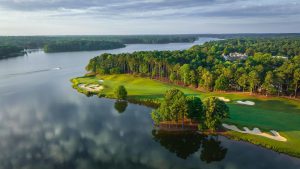
One of the biggest takeaways from descriptions of these premier golf destinations is the sheer variety of course designs and playing conditions. From the serene lakeside layouts of Georgia to the rugged, links-style courses of Oregon and New Zealand, each location presents a different challenge that can hone specific aspects of your game.
“In 2026, the elite golf getaway has shed its “check-the-box” reputation in favor of something far more soulful. It is no longer enough to simply play eighteen holes; the modern traveler demands a total sensory immersion where architectural masterpieces meet hyper-personalized hospitality.”
I tell my students that adapting to varied conditions is a hallmark of a great golfer. It’s not just about having one perfect swing; it’s about understanding how to adjust your approach based on the lie, the wind, and the course design. Consider the contrast between a lush, manicured inland course like Reynolds Lake Oconee and the firm, fast, and windy links of Bandon Dunes.

When you’re at Reynolds Lake Oconee, for example, you might be focused on precise iron play into well-guarded greens and navigating the serene lakeside environments. You’ll likely encounter softer turf, requiring a more aggressive ball-first strike with your irons and wedges. Then, imagine transitioning to a place like Bandon Dunes:
“It is a masterpiece of coastal dunes and emerald fairways that feels less like a manicured course and more like a gift from the landscape.”

Here, the emphasis shifts dramatically. You’ll need to master the art of the bump-and-run, control your trajectory in the omnipresent wind, and read putts on fast, undulating greens. These experiences force you to become a more creative and adaptable golfer.
Try this: The “Trajectory Control” Drill
When faced with windy conditions, or even just playing a new course where you need to keep the ball low, this drill is fantastic. At the range, pick out a target. Hit five shots aiming to keep the ball as low as possible, stopping your follow-through around hip height. Then, hit five shots aiming for a medium trajectory, with a slightly fuller follow-through. Finally, hit five shots for your normal, higher trajectory. The goal is to feel the difference in your swing speed, wrist hinge, and follow-through that dictates ball flight. This directly prepares you for courses like Bandon Dunes or Te Arai Links, which both emphasize playing along the ground.
Mastering the Mental Game in High-Pressure Settings
Playing iconic courses, especially those with dramatic backdrops like Quivira Golf Club, offers more than just physical challenges. They provide unparalleled opportunities to strengthen your mental game.

“Perched at the true “Land’s End” of the Baja Peninsula, Quivira has solidified its status as the most dramatic tee time of 2026. It is a high-altitude adrenaline rush where the desert meets the deep blue of the Pacific in a way that feels almost otherworldly.”
Imagine standing on a tee box at Quivira with the Pacific Ocean crashing below. These moments, while exhilarating, can also be intimidating. This is where course management and mental resilience truly shine. Instead of letting the beauty overwhelm you, focus on your pre-shot routine and commit to your target. In my teaching experience, the players who perform best in these situations are those who can quiet the external noise and trust their swing.
Here’s a drill: The “Commitment Walk-Through”
On your home course, or even just during practice, pretend you’re on a dramatic hole like one at Quivira. After selecting your club, stand behind your ball and visualize your entire shot: the trajectory, where it lands, and how it rolls. Then, take three practice swings, focusing solely on the feel of the swing for that visualized shot. Step up to the ball, take one last look at your target, and swing with 100% commitment. Avoid any last-second thoughts or hesitations. This practice helps build confidence and consistency under pressure.
Refining Your Practice Routine and Getting Fitted
Many of these destinations, like Reynolds Lake Oconee with its “Kingdom of Golf,” offer cutting-edge practice facilities and data-driven club fitting. This is a crucial element for improvement that often gets overlooked.
You might think a vacation is for relaxation, not grind, but taking advantage of these facilities can be game-changing. A high-tech club fitting, for example, ensures your equipment is perfectly suited to your swing, which is foundational for consistent play. It’s a chance to put the “science” into your swing, even at an enjoyable golf resort.
Try this: “Data-Driven Practice” Checkpoint
If you have access to a launch monitor (many of these luxury resorts, and even local practice facilities, now offer them), use it to track key metrics for a specific club. For instance, with your 7-iron, focus on ball speed, launch angle, and spin rate. Set a target range for each (e.g., ball speed within 5 mph of your average, launch angle within 2 degrees). Spend 20 minutes trying to consistently hit within those parameters. This focused practice, even brief, can lead to much quicker improvement than just hitting balls aimlessly.
Remember, golf is a journey, and every round, every practice session, and even every golf trip is an opportunity to learn and grow. Embrace the challenges and the beauty of these courses, and you’ll find your game improving in ways you never expected. As the article states, golf is “a gateway to the world’s most exclusive landscapes,” and to a better version of your golf game!
