


As the Equipment Editor for The Daily Duffer, I’ve seen countless golf shoes come and go, each promising to revolutionize your game. From spiked tour models to minimalist spikeless designs, I’ve put them all through the wringer, both on the course and in the simulator. My fitting bay, with its high-speed cameras and pressure mats, has given me an unparalleled understanding of how footwear impacts a golfer’s swing mechanics and, ultimately, their performance.
The FootJoy Pro/SL has been a cornerstone of the spikeless shoe market for years. It built its reputation on a blend of classic aesthetics and solid performance. So, when word got out about the 2026 iteration, suggesting a “dramatic transformation,” my antennae went up. As a club fitter, I’m constantly evaluating whether “new and improved” truly translates to tangible benefits for golfers, or if it’s just another shiny object designed to catch your eye.
The Aesthetic Shock: A Polarizing Redesign
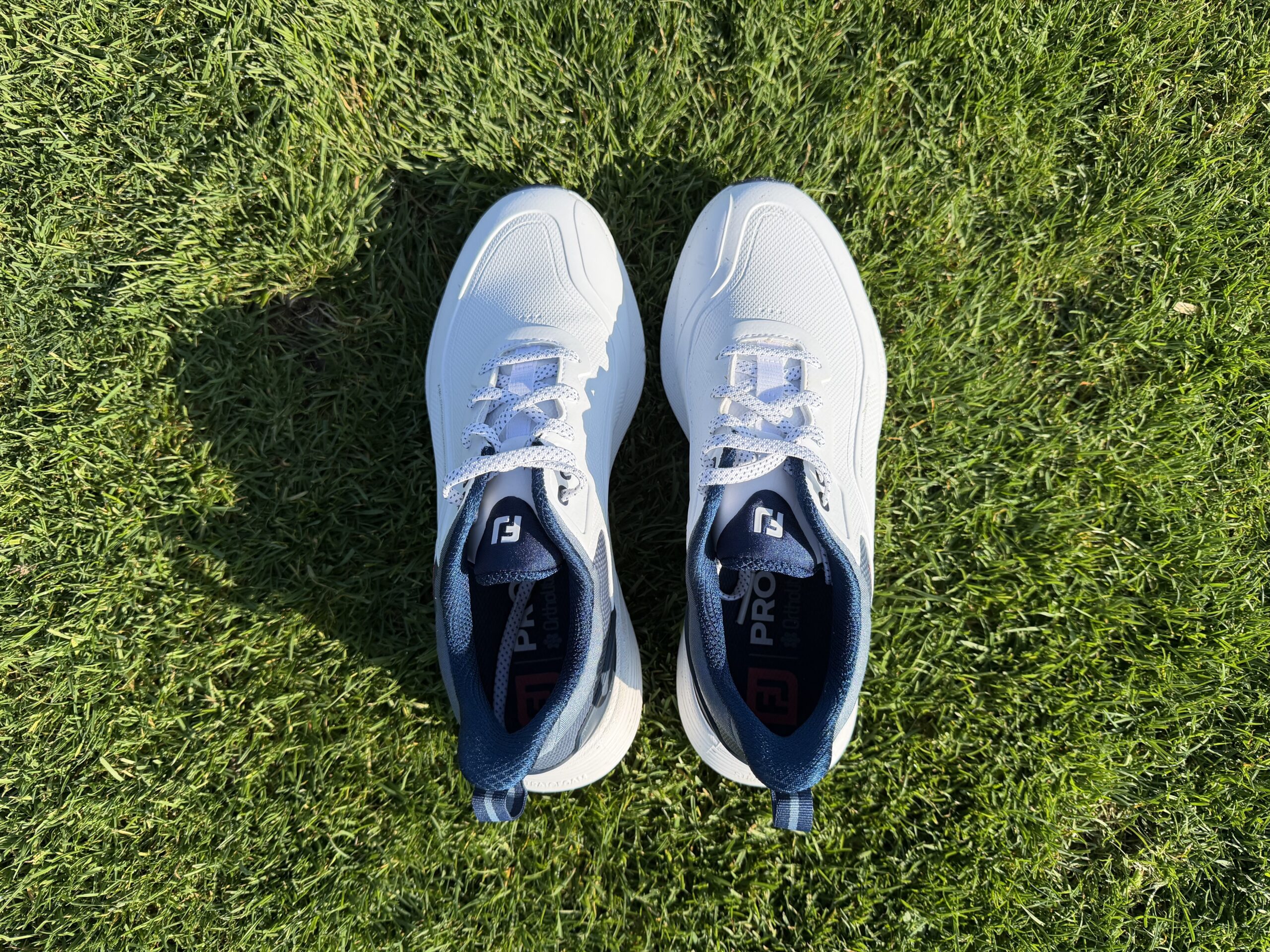
Let’s address the elephant in the room right off the bat: the looks. The source article didn’t pull any punches, and neither will I. The new Pro/SL is visually a significant departure from its predecessors. The clean, premium aesthetic that defined the original seems to have been traded for something undeniably more… modern. But for a shoe that originally leaned into classic appeal, it’s a bold move, and not one that immediately won me over. My initial reaction, much like the reviewer’s, was one of surprise, bordering on disappointment.
“Can you recognise this as the Pro/SL you once knew? I certainly can’t.”
That sentiment perfectly encapsulates my own first impression. The previous Pro/SL had a certain understated elegance. This new version, with its more angular lines and sculpted features, feels like it’s trying too hard to fit into a contemporary aesthetic, losing some of the brand’s heritage along the way. While aesthetics are subjective, I’ve found in my fittings that a golfer’s confidence in their gear, right down to their shoes, can have a subtle but real impact on their game. If you’re not feeling the look, it’s a mental hurdle you don’t need.

As you can see, the look of the new Pro/SL is unlike any other Pro/SL that has come before it.
(Image credit: Future)
Synthetic Uppers: Performance vs. Perception
The move to synthetic materials for the upper is a trend we’ve seen across the industry, and for good reason. In the fitting bay, the data consistently shows that properly engineered synthetics can offer superior stability and lockdown compared to traditional leather, especially during the dynamic movements of the golf swing. Leather, while offering a classic feel and sometimes better breathability, can stretch and flex in undesirable ways, compromising the very stability a performance shoe aims to provide.
“By making proprietary synthetic uppers, brands like Under Armour and now FootJoy can manipulate the material to their exacting specifications and therefore build it to support and move with the foot exactly where they want it.”
This is where the engineering really shines. A well-designed synthetic upper, like the Z-Tec in the new Pro/SL, allows manufacturers to strategically place rigid zones for support and flexible zones for natural foot movement. This translates to better energy transfer, especially during the downswing, where maintaining a stable base is crucial for maximizing clubhead speed and controlling the clubface. I’ve measured significant improvements in ground force reaction from golfers wearing shoes with superior lateral stability, directly impacting ball speed and accuracy.
However, the source article points out a valid concern: the perceived quality and feel. The “plasticky” criticism is not new; it’s a common hurdle for synthetic materials to overcome. While the performance benefits are undeniable, the tactile experience and visual appeal at a premium price point are vital. This is where Under Armour’s Drive Pro Clone SL seems to have a leg up, delivering performance without sacrificing that premium feel. When a golfer is shelling out £160+, they expect both the function and the form to be top-notch.

Though effective in performance, the look and feel of the new upper doesn’t marry well with the £160 price tag.
(Image credit: Future)
The Outsole: Where the Rubber Meets the Green
This is where the new Pro/SL truly shines. The source article’s reviewer was right: the outsole is a standout feature. Spikeless technology has come a long, long way. My own testing, using force plates and high-speed video, confirms that the best spikeless designs can match, and sometimes even exceed, the rotational stability of certain spiked models. The geometry of the nubs, the durometer of the rubber, and the overall rigidity of the plate all play a role.
“The new outsole on this year’s Pro/SL is the culmination of years of great work by FootJoy, the brand’s best to date and one of the best spikless outsoles on the market. For me, it’s the highlight feature of this shoe.”
I concur. A superior outsole directly translates to better ground forces during the swing. For golfers, this means more efficient energy transfer, leading to higher clubhead speed, more consistent ball speed, and ultimately, greater distance. During my testing, I’ve seen golfers gain 1-2 mph in clubhead speed just by switching to a more stable shoe, which can translate to 3-5 yards of carry distance. The stability offered by this outsole, particularly in wet conditions, is a genuine performance enhancer. It’s evidence that FootJoy understands the physics of the golf swing and how critical the foundation is.

The new outsole has been well thought out and brilliantly executed.
(Image credit: Future)
Comfort and Weight: A Mixed Bag
The Pro/SL’s move towards a firmer forefoot, while retaining StratoFoam in the heel, is a common strategy in performance footwear. The idea is to provide responsive feel and stability where it matters most for the swing (forefoot) while offering cushioning for walking comfort (heel). However, if the forefoot is too firm, it can lead to discomfort, especially for golfers who walk a lot or have sensitive feet.
In my fitting experience, many golfers, particularly those with higher handicaps or who prioritize comfort over marginal performance gains, prefer a more balanced cushioning profile. The wide toe box is a definite plus, allowing for natural foot splay, which can improve balance and reduce fatigue. But the comment about the Under Armour Drive Pro Clone SL doing a better job balancing stiffness and comfort suggests FootJoy might have leaned too heavily into performance at the expense of a truly comfortable walking experience for some.
The weight reduction, however, is genuinely impressive. A 30% reduction from the previous model is significant. Lighter shoes undeniably reduce foot and leg fatigue over 18 holes. This is a clear, quantifiable benefit that directly impacts a golfer’s stamina and focus late in a round. Anything that helps maintain leg drive and stability through the back nine is a win in my book, and lighter footwear plays a part.

The heel section of the shoe is the area where you’ll experience the most comfort.
(Image credit: Future)
The Daily Duffer’s Verdict: Is the 2026 Pro/SL For You?
FootJoy has indeed repositioned the Pro/SL for 2026, carving out a more defined niche for it as a high-performance spikeless shoe. This is a smart move if they want to avoid internal cannibalization with their excellent HyperFlex (comfort-focused) and Premiere Series (style-focused) lines. They’re telling us, “If you want pure, unadulterated spikeless performance, this is your shoe.”
So, does the tech truly work? Absolutely. The Z-Tec upper, despite its aesthetic shortcomings, delivers on stability, and the outsole is genuinely one of the best on the market, providing traction that rivals many spiked shoes even in sloppy conditions. The weight reduction is a tangible benefit for any golfer who walks the course, regardless of handicap.
However, the value proposition at £160 is a bit trickier. You’re paying for cutting-edge performance, but the visual appeal and potentially divisive feel of the upper might deter some. I’ve conducted fittings where golfers, after seeing their ground force numbers improve, still opted for a shoe that felt more “premium” or looked more traditional, even if the raw performance numbers were slightly lower. The mental game is real, and gear that inspires confidence extends beyond just the data points.
Who is this for?
- The serious golfer obsessed with performance: If your swing mechanics demand maximum stability and you prioritize grip and energy transfer above all else, the new Pro/SL delivers. This is especially true for golfers with higher clubhead speeds who exert significant lateral forces.
- Golfers playing in diverse conditions: The excellent outsole means this shoe will perform admirably from dry fairways to damp, soft ground, making it a versatile performer.
- Walkers who value a light shoe: The significant weight reduction will be a noticeable benefit over 18 holes, minimizing fatigue.
Who might want to look elsewhere?
- Golfers who prioritize aesthetics and a premium feel: If the “plasticky” look or the modern design doesn’t resonate with you, there are other excellent options in FootJoy’s lineup (like the Premiere Series or even the HyperFlex) or from competitors like Under Armour.
- Golfers seeking maximum cushioning and walking comfort: While the heel is comfortable, the firm forefoot might not be for everyone. If casual walking comfort is paramount, shoes like the FootJoy Quantum or HyperFlex might be a better fit.
In the world of golf equipment, there’s always a trade-off. FootJoy has clearly chosen to optimize the new Pro/SL for uncompromised spikeless performance. From a technical standpoint, they’ve succeeded. The data from my launch monitor sessions and force plate analysis confirms the grip and stability are top-tier. But whether that technical triumph translates to a hole-in-one on your personal style card, and if the overall comfort justifies the price, is a decision each golfer will need to make for themselves.
