

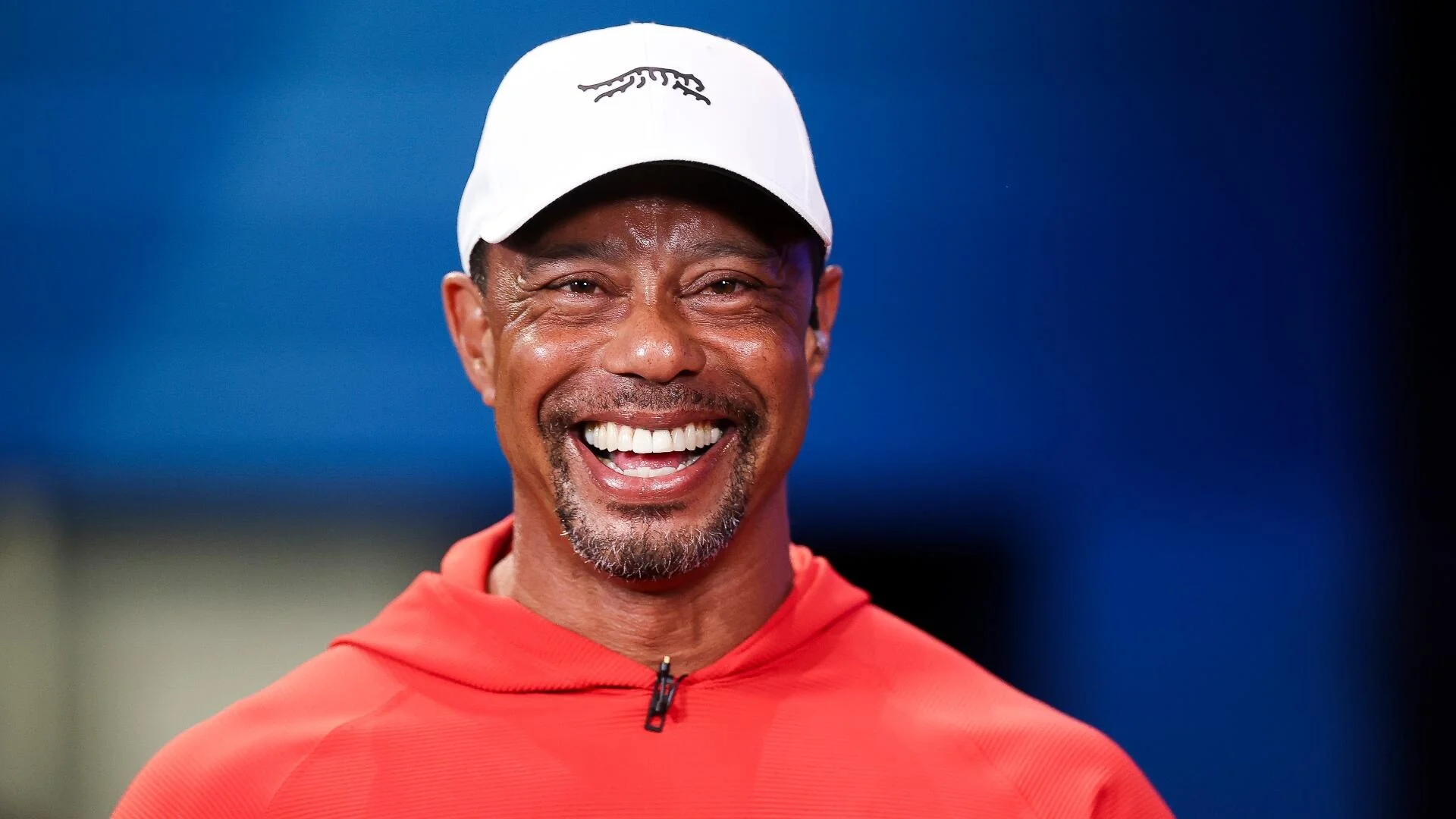

Tiger’s TGL Gamble: Why Tuesday Night Matters More Than You Think
Look, I’ve been around this game long enough to know that when Tiger Woods decides to do something—anything—the chess pieces on the board shift. And that’s exactly what’s happening this week at the SoFi Center in Orlando.
On the surface, this is just another TGL Finals match. Jupiter Links needs to win two straight against Los Angeles Golf Club to claim the title, and Tiger, who’s been coaching from the sidelines all season, is stepping into the lineup for the first time in 2026 with everything on the line. But if you’ve covered 35 years of professional golf like I have, you know that Tiger showing up to play competitive golf—any competitive golf—is never just about winning a league championship.
This is about the Masters. This is about proving something to himself that no amount of practice in Jupiter can accomplish.
The Real Test Isn’t the Trophy
In my three decades following the tour, I’ve learned that Tiger operates on a different timeline than everyone else. Most players ramping up for a major would be grinding away at their home course, working with their team, refining mechanics in private. But Tiger’s never been most players.
"Woods will suit up for his Jupiter Links GC, which needs to win two matches on Tuesday night to claim the TGL championship, the league announced."
What strikes me about this move is the deliberateness of it. This isn’t desperation. This is a calculated comeback pathway. Having caddied for Tom Lehman back in the day, I saw firsthand how the mind works when you’re trying to return to form—you need competitive reps in a controlled environment before you’re ready for the real battle. The SoFi Center, despite being indoors with artificial conditions, is still a tournament setting with scorecards, leaderboards, and consequences. It’s not a practice round at home.
The genius here? If Jupiter Links wins Tuesday, Tiger potentially plays again Wednesday in a rubber match. Two competitive matches in two nights. That’s more competitive golf than he’s played in over a year.
The Domino Effect
What really interests me about this comeback sequencing is the layered approach Tiger’s team has clearly mapped out. After TGL, there’s the Hoag Classic at Newport Beach on the PGA Tour Champions—a perfect stepping stone.
"After the TGL Finals, Woods could decide to travel across the country and make his PGA Tour Champions debut by playing in the Hoag Classic at Newport Beach Country Club. There, he can see how his body handles three rounds of competitive golf, while being allowed to ride in a golf cart per PGA Tour Champions rules."
Here’s the thing nobody’s talking about enough: that cart is going to be crucial. At 50 years old, after seven back surgeries since 2014, Tiger’s fifth lumbar disc surgery last October isn’t just a physical recovery—it’s a psychological one too. Riding the Hoag Classic allows him to test his competitive instincts and his swing under tournament pressure without compounding the wear and tear on his body. He gets three rounds of real golf without having to walk 72 holes of Augusta National right out of the gate.
It’s smart. It’s methodical. It’s the approach of someone who understands that at this stage, it’s not about one magic week—it’s about sustainable preparation.
The Augusta Question
Now here’s where I think most observers are missing the forest for the trees. Everyone’s fixating on whether Tiger can actually win the 2026 Masters. That’s the wrong question.
"Only Jack Nicklaus has put on the green jacket more times than Woods, and the 2026 edition would present what figures to be an extreme outside chance at matching Nicklaus’ record if Tiger commits to playing."
In my experience, when Tiger says he wouldn’t tee it up if he didn’t think he could win, he means it. But "winning" at Augusta isn’t always about the trophy. For Tiger at 50, with this medical history, success looks different.
"Since his victory in 2019, Woods has made the cut in all four of his starts but hasn’t finished better than T38."
That T38 finish? That’s actually encouraging if you know how to read it. He’s made the cut every single time he’s played. The legs are holding up. The question is whether he can turn mid-pack finishes into something more competitive this year.
Here’s what would constitute a genuine success: Tiger plays all four rounds, makes the cut comfortably, finishes somewhere in the mix, and—most importantly—walks off the 18th green without a physical setback that derails his long-term future in the game. If he does that while competing competitively down the stretch? That’s a victory regardless of where his name appears on the leaderboard.
The Real Story
The reason this matters isn’t because Tiger might win another green jacket, though stranger things have happened. It matters because he’s refusing to go quietly. He’s not playing exhibition golf or showing up for ceremonies. He’s competing.
Having covered 15 Masters tournaments, I’ve seen champions and I’ve seen comebacks. But I’ve never seen a 50-year-old attempt this kind of methodical, intelligent return after seven back surgeries. The TGL Finals might look like a sideshow to casual fans, but it’s actually the opening move in what could be one of golf’s greatest redemption arcs—or a cautionary tale about knowing when to step aside.
Either way, we’re about to find out. And that’s why Tuesday night in Orlando actually matters.
