

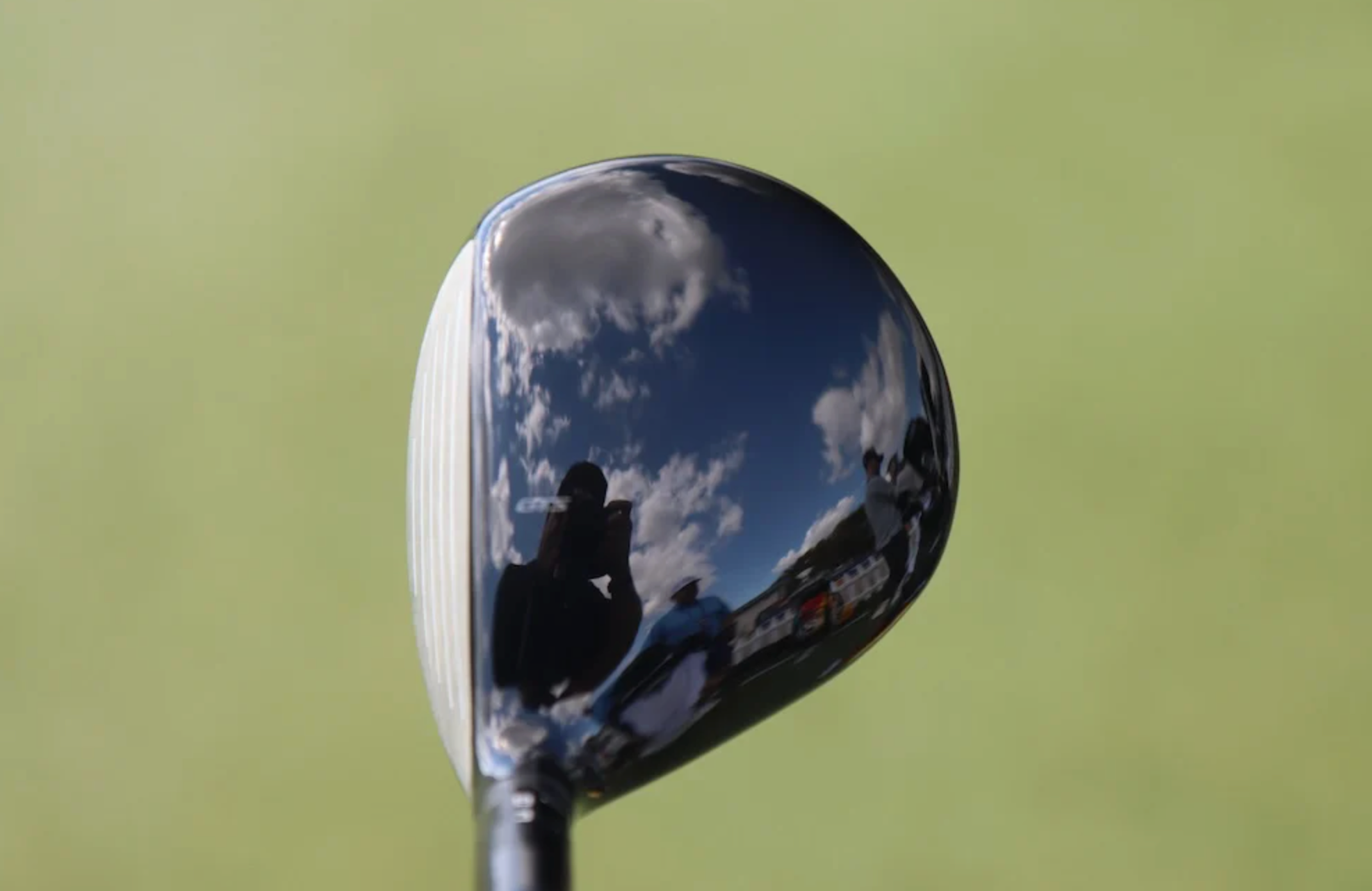

Alright, Daily Duffer faithful, Tyler Reed here, and the gear chatter from the Houston Open is already heating up. Specifically, our forum members are buzzing about Johnny Keefer’s new Titleist GTS3 7-wood. New Titleist woods surfacing on Tour is always big news, but a 7-wood getting this much attention? That signals something interesting, and as someone who’s spent countless hours dissecting data on every club imaginable, I’m here to break down what we’re seeing.
First off, let’s get past the initial “ooh, shiny new club” reaction. Titleist is known for its measured approach to product releases, and Tour seeding is the first real test. Keefer bagging a GTS3 7-wood means it’s passed at least his discerning eye. The immediate reaction from our forums, however, highlights some key design elements that are hard to ignore:
“Adjustable 7w and 2 weights. This is very nice!”
This quote from ColdOkieGolf hits on two critical points right out of the gate: adjustability and weighting. Looking at the images, the GTS3 clearly features a hosel adjustment system – standard fare these days for tweaking loft and lie. But those two visible weight ports are where my equipment editor ears perk up. As a fitter, I’ve seen firsthand how crucial movable weight is for optimizing launch, spin, and even shot shape. A 7-wood, often used for critical approach shots or tight tee boxes, benefits immensely from fine-tuning.
In my fitting experience, especially with higher-lofted fairway woods, the ability to shift mass forward or back can dramatically alter ball flight. Moving weight forward typically lowers spin and promotes a more penetrating trajectory, which can be great for distance and cutting through wind. Shifting it back boosts MOI, making the club more forgiving on off-center strikes, and often increases launch and spin – ideal for getting the ball up quickly and holding greens. The presence of *two* distinct weight ports suggests Titleist is giving players and fitters even more granularity in CG (center of gravity) manipulation. This isn’t just about toe-heel bias for draws/fades, but also subtle shifts in vertical CG for launch and spin optimization.

“I like the silver face look. Frames the ball much better with some contrast.”
mogc60’s comment about the silver face is interesting. While aesthetic, contrast around the face can genuinely help with alignment and confidence at address. Is it a performance enhancer in terms of ball speed? No, not directly. But a player feeling more confident over the ball often translates to better swings, which *does* affect performance. It’s a subtle psychological edge. From a technical perspective, the face material and construction will be key to ball speed. Titleist has been using high-strength steel alloys in their fairway woods for years to maximize COR, and I’d expect nothing less here. We’ll be looking for consistent ball speeds across the face, even on slight mishits – a hallmark of good engineering.
“Love the weighing system. Might need a 7 wood.”
DTorres again highlights the weighing system. This isn’t just marketing fluff when it comes to a club like a 7-wood. For many golfers, the gap between a 3-wood and their longest iron is a tricky one. A well-fit 7-wood, often around 21 degrees of loft, can be a revelation. What I’ve seen on the launch monitor with a club like this, properly weighted, is the ability to generate optimal launch angles and spin rates that allow golfers to stick greens from distances they previously couldn’t. We’re talking 12-15 degrees of launch with 4500-5500 RPM of spin for a standard clubhead speed, creating enough height and descent angle to come down soft.

The “why a 7-wood?” question is also crucial. For golfers with moderate swing speeds, a 7-wood can be significantly easier to launch and control than a 3-iron or even a hybrid of similar loft. The larger head and lower CG found in a fairway wood make a huge difference in turf interaction and getting the ball airborne. With adjustable weighting, players can tune it for maximum carry or for more workability, depending on their course conditions or specific needs.
The Data’s Take: What I’ll Be Looking For
When I get my hands on the GTS3 7-wood for testing, my focus won’t just be on raw distance – though that’s always part of the equation. I’ll be scrutinizing several key metrics:
- Ball Speed Consistency: How well does it maintain ball speed across the face, especially on heel and toe strikes? This is a key indicator of MOI and forgiveness.
- Spin Window: Can the movable weights genuinely shift spin rates enough to cater to different player profiles? I’d expect to see a range of 500-800 RPM in total adjustability.
- Launch Angle: Is it easy to get the ball up in the air without ballooning? A good 7-wood needs to launch high without spinning excessively.
- Descent Angle: This is critical for holding greens. A steep descent angle (45 degrees or more) means the ball will stop quickly.
- Turf Interaction: Is the sole design forgiving enough to glide through various lies without digging? This is where many fairway woods either shine or struggle.
Who is the GTS3 7-Wood For?
Based on the initial design cues and Titleist’s track record, this model, particularly with its adjustability, seems poised to be a strong performer for a broad range of players. Mid to high handicappers will benefit from the inherent forgiveness and the ease of launch of a 7-wood, which can effectively replace a long iron. Low handicappers and better players, like Johnny Keefer, will appreciate the precise tuning capabilities to dial in trajectory and flight characteristics for specific course conditions or shot requirements. The value proposition here isn’t just about one setting; it’s about tailorability, allowing the club to evolve with your swing or adapt to different courses.
Overall, the early glimpses of the Titleist GTS3 7-wood are promising. Titleist rarely misses the mark on performance, and the emphasis on adjustability, particularly the two-weight system, suggests they’ve put serious thought into optimization. As always, I advise against buying based solely on Tour hype. Wait for the data, get fitted, and see if the performance on the launch monitor matches what you need in your bag. But for now, this GTS3 7-wood has my attention, and I’m eager to put it through its paces.
