

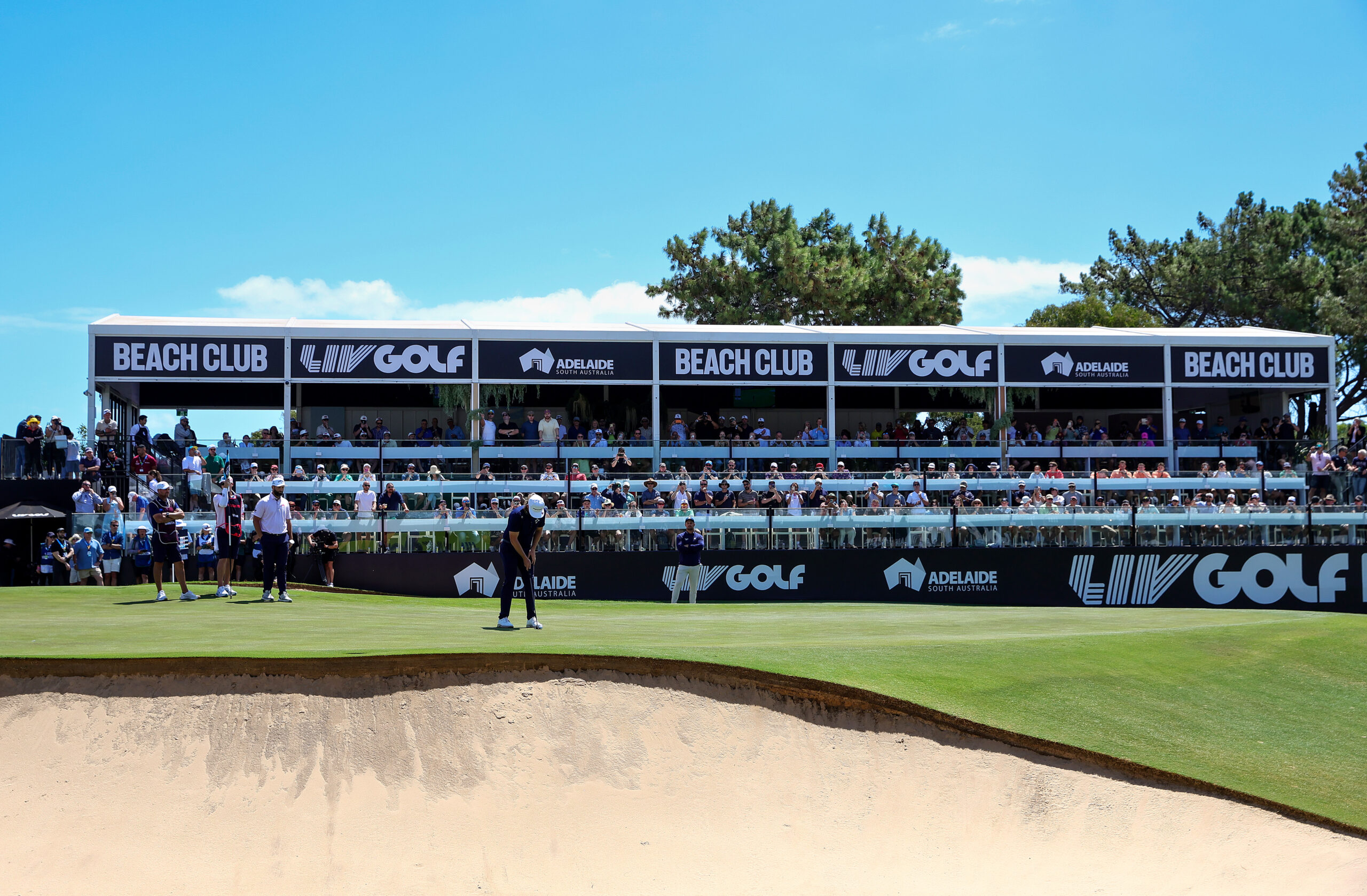

Adelaide’s Fourth Round Gamble: How LIV Golf is Learning to Build Momentum (and Revenue)
After thirty-five years watching professional golf evolve—from the caddie shack to the broadcast booth—I’ve learned that tournament structure matters far more than most fans realize. It’s not just about who wins; it’s about how you get there, and frankly, how you keep people watching.
That’s why LIV Golf Adelaide’s shift to a four-day format this year caught my attention immediately. On the surface, it’s a simple scheduling adjustment. But having walked these grounds with players and captains alike, I think it reveals something deeper about how LIV is maturing as a circuit—and how desperately they need consistency at the gate.
The Home-Court Advantage Gambit
Let’s start with what’s working: Ripper GC, the all-Australian franchise, has absolutely mobilized their domestic fan base. That’s real. In my experience caddying for Tom Lehman back in the ’90s, I learned that home-field advantage isn’t just marketing speak—it’s fuel. Local galleries elevate play. They create atmosphere. They keep sponsors happy.
The fact that Ripper is chasing Legion XII heading into Sunday, with captain Cameron Smith and Lucas Herbert sitting T4 after three rounds, means the script is still being written. That’s good television. That’s good for LIV’s bottom line in a market where they’re desperately trying to establish credibility.
“For the first time, LIV Golf Adelaide is being played over four days so Ripper GC can draw on an extra round of support as they aim to seal a second team prize on Australian soil after their maiden triumph in 2024.”
Here’s what strikes me: This isn’t accidental scheduling. This is intentional market development. By extending the tournament, LIV gives local sponsors another day of activation, another day for corporate hospitality to move product, another day for the hometown storyline to breathe. I’ve seen the PGA Tour do this for decades with events in markets they want to grow. LIV’s applying that playbook.
Follow the Money—It Never Lies
Now let’s talk about what really matters: the purse structure. And here’s where things get genuinely interesting.
A $20 million individual prize pool and $10 million team pool represents legitimate, transformative wealth. The winner takes home $4 million before taxes and caddie bonuses. Second place pulls $2.25 million. Even finishing outside the top ten guarantees $50,000 in a no-cut field. That’s not chump change—that’s a revolution in how professional golf compensates participation.
But what fascinates me more is the team bonus structure LIV introduced this year:
| Team Finish | Individual Bonus Payout |
|---|---|
| 1st | $1 million |
| 2nd | $800,000 |
| 3rd | $500,000 |
This is smart architecture. By allowing captains to allocate bonuses across their roster “as they wish,” LIV has created a mechanism that incentivizes team play without mandating it. I’ve watched enough professional golf to know you can’t legislate camaraderie, but you can reward it financially. That’s what this does.
“the team rewards are pumped back into each franchise as opposed to being shared out among the roster.”
The fact that team winnings go back to franchises rather than individual players is crucial context that casual fans often miss. This isn’t charity; it’s franchise building. It means successful teams reinvest in their brand, their infrastructure, their appeal. Over time, that creates legitimate competitive advantage and organizational identity—the things that actually build sustainable sports leagues.
The OWGR Question Nobody’s Asking Enough
Here’s where I have to level with you: The prize money is eye-popping, but the OWGR points situation remains LIV’s Achilles heel. Yes, the top finishers get “limited” points. Yes, players outside the top ten collect nothing. The article doesn’t specify how many points are actually awarded, and that omission tells you something important.
In my thirty-five years covering this game, I’ve learned that rankings matter existentially. They determine who plays in majors. They determine who gets invited to the Olympics. They determine legacy. A $4 million check buys a nice house. World ranking points build a Hall of Fame resume.
LIV’s still navigating this tension. And frankly, I think they’re getting better at it, even if the point allocations remain modest compared to traditional tour events.
The Real Story Here
What this Adelaide event actually demonstrates is that LIV has learned something fundamental about sports production: context matters. Home crowds matter. Extended narratives matter. Strategic purse construction matters.
Are these massive purses sustainable long-term? That’s not for me to answer. But I will say this—in three and a half decades watching professional golf, I’ve never seen an organization move this quickly through its learning curve on tournament operations.
The four-day format works. The team bonus structure incentivizes competition without eliminating individual excellence. The guarantee that everyone leaves with at least fifty grand removes the existential desperation that sometimes warps player behavior on the PGA Tour.
Ripper GC chasing Legion XII into Sunday with real Australian support behind them is exactly the kind of narrative LIV needs if it’s going to establish legitimate tour status. Will they get there? That’s what the final round will tell us.
