


Genesis Invitational Cut Exposes the Brutal Reality of PGA Tour Form—And What It Tells Us
After 35 years covering professional golf, I’ve learned that cuts are funny things. They don’t just eliminate players; they tell stories. And the Genesis Invitational’s halfway elimination told a particularly revealing one: form in professional golf is more fragile than most casual fans realize.
Let me be direct—seeing names like Justin Rose, Jason Day, Russell Henley, and Keegan Bradley pack their bags early at Riviera Country Club shouldn’t surprise anyone familiar with how the modern Tour works. But it should concern us a little. Not because these are washed-up players (they absolutely aren’t), but because it highlights something I’ve noticed more acutely over the past few seasons: even elite talent can hit the wall with stunning speed.
The Collateral Damage of a Tough Draw
Here’s what strikes me most about this Genesis field: eight major names missed the cut at a Signature Event where, technically, they should have been chomping at the bit to perform. These aren’t marginal players—they’re proven winners and tour regulars.
"However, no such luxuries were afforded at the halfway stage of the Riviera Country Club tournament, with a cut after the second round meaning only the top 50 players and ties from the 72-man field made it through to the weekend."
That cut line is exactly why. In most Signature Events, players get a second chance if they stumble early. Not here. Riviera demanded immediate accountability, and several household names simply didn’t have it this week.
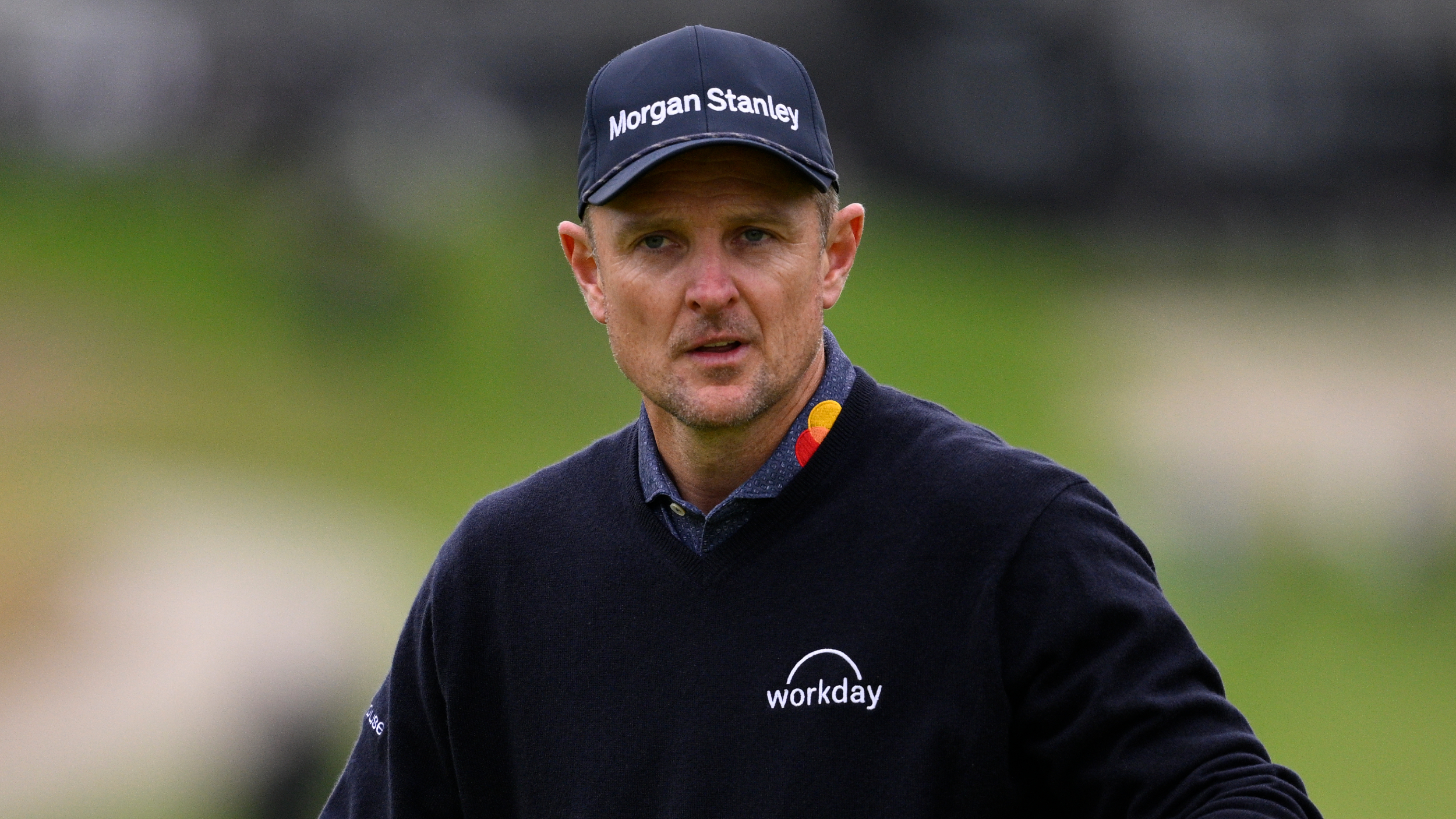
Justin Rose’s situation is particularly instructive. The man won at Farmers Insurance in his second start of the season—his 13th PGA Tour victory. Two weeks later, he’s on a plane home. Rose carded 74-71, finishing at three over. That’s not a catastrophic collapse; it’s the kind of two-day stumble that happens to everyone. The difference is context. Rose walked into Los Angeles off a win. Confidence should’ve been sky-high. Instead, he missed the cut for the second consecutive year at this event.
In my experience, when winners suddenly can’t string together back-to-back solid performances, it often signals something deeper than just "one bad week." Sometimes it’s mechanical. Sometimes it’s mental. Sometimes it’s just the reality that Riviera is a brutally difficult golf course that doesn’t care about your recent pedigree.
The Gotterup Reality Check
Chris Gotterup’s situation intrigues me most because it represents something I’ve been watching develop this season: the difference between winning and sustaining. The 26-year-old came to Los Angeles having already won twice—at the Sony Open and the WM Phoenix Open. That’s a tremendous start to any calendar year. But he missed the cut by three after opening with an even-par 71. A three-over 74 in round two ended the story.
This is what separates tour players from sustained winners. Gotterup has the game. Clearly. But there’s a difference between getting hot enough to win—sometimes that’s just a week where everything falls right—and maintaining consistency across venues and circumstances. Missing the cut after starting the year 2-for-2 in victories? That’s the Tour teaching a lesson about sustainable form.
The Interesting Counterpoint: Scottie Being Scottie
I’d be remiss not to mention the flip side of this narrative.
"One example came just a week ago at the Pebble Beach Pro-Am, when Scottie Scheffler took advantage of that to mount a challenge after a slow start."
Scottie faced the same Riviera gauntlet as everyone else. He also had a slow start to the week. But he made the cut and extended his consecutive made-cut streak to 68. That’s the difference between good and great—not just talent, but the resilience to survive when conditions and circumstances aren’t cooperating.
The Encouraging Undertone
Here’s what I don’t want this narrative to become: "The PGA Tour is broken because good players missed a cut." That’s incomplete analysis. What actually happened at Genesis was this: a course with genuine teeth got separated from the pack from the pretenders for that particular week. Riviera isn’t a carnival ride—it’s an examination.
"Typically in Signature Events, even the strugglers still have a chance to turn frustration into glory over the final two rounds, as there isn’t a cut in five of the eight tournaments."
But when cuts do exist, they matter. They create real consequences. In my opinion, that’s actually healthy for the Tour. It forces accountability.
Consider Russell Henley: he’s had an outstanding 2025 with the Arnold Palmer Invitational victory and multiple top-five finishes at Signature Events. One bad week at Genesis doesn’t erase that trajectory. But it serves as a reminder that consistency is a daily pursuit.
What This Really Means
After three and a half decades covering this game, I’ve seen enough cycles to recognize what’s happening: the PGA Tour in 2025 is ruthlessly meritocratic in any given week. Your pedigree gets you into the tournament, but it doesn’t guarantee Saturday golf. Some weeks, it barely helps.
For fans, that should be exciting. For the players who missed the cut? It’s a reality check wrapped in a 36-hole package. And for the rest of us watching Peng, Bridgeman, and whoever emerges Sunday, it reminds us why we love this game—because nobody’s invincible, and any week can humble the elite.
That’s good golf.
