


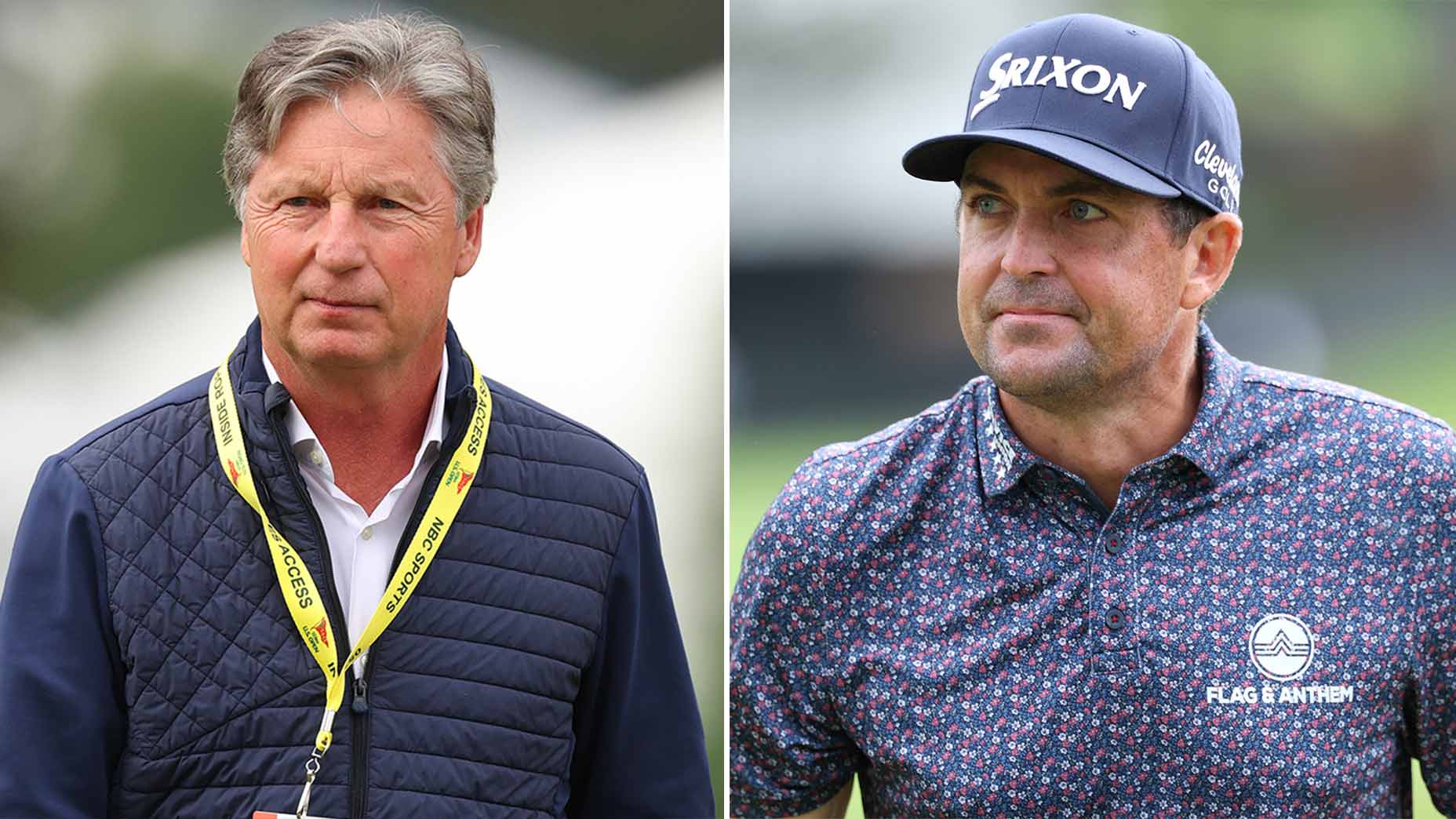
Keegan Bradley: A Noble Sacrifice as U.S. Ryder Cup Captain
As the U.S. Ryder Cup team gears up for the prestigious tournament at Bethpage Black next month, all eyes are on Keegan Bradley, the captain leading the charge. In a surprising turn of events, Bradley, who was 11th in the standings, chose not to select himself among his six captain’s picks for the event. This unprecedented decision ignited conversations across the golf community about leadership, sacrifice, and the intricacies of team dynamics in high-stakes sports.
The Decision That Shook the Golf World
Keegan Bradley’s choice not to include himself in the team lineup has stirred emotions among players and fans alike. Many anticipated he would become the first playing-captain since Arnold Palmer in 1963. However, he shocked the golf world by emphasizing his role as a captain over his aspirations as a player. “I grew up wanting to fight alongside these guys,” Bradley stated at the PGA of America headquarters in Frisco, Texas. This sentiment resonated deeply, illustrating his commitment to prioritizing team success over personal glory.
A Leader’s Mindset: Putting the Team First
Bradley’s decision not to participate in the tournament as a player underscores a fundamental principle of leadership: the ability to make personal sacrifices for the greater good. “It broke my heart not to play,” he admitted, revealing the emotional toll his decision took on him. Yet, he remained resolute, believing that stepping aside would ultimately benefit the team. This highlights a critical aspect of leadership: the recognition that sometimes, the best way to lead is from behind.
Insight from Golf Analysts
Golf analyst Brandel Chamblee weighed in on Bradley’s decision, affirming it as a potential turning point for the U.S. team. Chamblee noted that while five of Bradley’s picks were expected, the critical moment was when he consciously omitted himself. “I think he may well have won the Ryder Cup in making that decision,” he commented, emphasizing the complexities of team assembly and leadership. For Chamblee, leadership isn’t solely about individual accomplishments but about the collective inspiration and motivation a leader can instill in their team.
The Impact on Team Dynamics
Understanding team dynamics is essential, especially in a sport that thrives on camaraderie and collective cooperation. Bradley’s absence from the playing roster may serve to galvanize the rest of the team, creating a bond built on shared purpose. This unique situation allows him to focus on strategic planning, team morale, and mentorship, aspects that could elevate the U.S. squad’s performance in the tournament.
Player Reactions: Building Trust and Respect
Reactions from team members, particularly Justin Thomas, highlight the respect and trust they have in Bradley’s leadership. “I know he’s gutted, and I think all of us are gutted for him, but at the same time, leading us to a victory will be cooler than any experience he could have as a player,” Thomas shared. Such testimonials emphasize that the players recognize his sacrifice as a means to enhance their collective chances of success, reinforcing the importance of trust in leadership roles.
The Challenge of Being a Captain
Chamblee criticized the notion that being a playing-captain is an easy task. “To have cross-purposes that week and to simultaneously get ready to play golf while getting the rest of the team in the right frame of mind is complicated,” he explained. This highlights the multifaceted role of a captain and the unique challenges they face, providing insight into the mental and emotional demands of leadership in competitive sports.
A Catalyst for Motivation
Bradley’s selfless decision may serve as a powerful motivator for the U.S. team as they prepare for their upcoming match. By choosing not to play, he demonstrates a deep commitment to the team’s success, which can foster a greater sense of unity and determination among the players. As the team reflects on his sacrifice, they may find the inspiration to push beyond their limits and aim for victory.
Learning from the Past: A Response to Defeats
The U.S. Ryder Cup team faced a painful loss in the previous tournament, succumbing to the European team 16.5-11.5 in Rome. Bradley’s leadership style could transform this past defeat into a learning opportunity; he has a chance to rally the team, focusing their energies on a united front. This approach not only addresses previous shortcomings but empowers the players to pursue excellence without the weight of past failures holding them back.
The Future of Leadership in Golf
As Bradley prepares to lead the U.S. Ryder Cup team, the golf community watches closely. His decision challenges traditional views on leadership roles in sports, emphasizing a collective journey rather than individual triumphs. Whether Bradley’s bold choice will propel his team to victory remains to be seen, but one thing is clear: it sets a compelling precedent for future leaders in golf and beyond, showcasing the true essence of teamwork and selflessness.
By examining Keegan Bradley’s journey, we uncover elements of leadership that transcend the sport. His commitment to the U.S. Ryder Cup team is not just about golf; it’s a powerful lesson in sacrifice, unity, and the art of leading others toward success. As the tournament approaches, the stakes are high, and Bradley’s leadership could very well be the keystone to the success of the U.S. team.
