

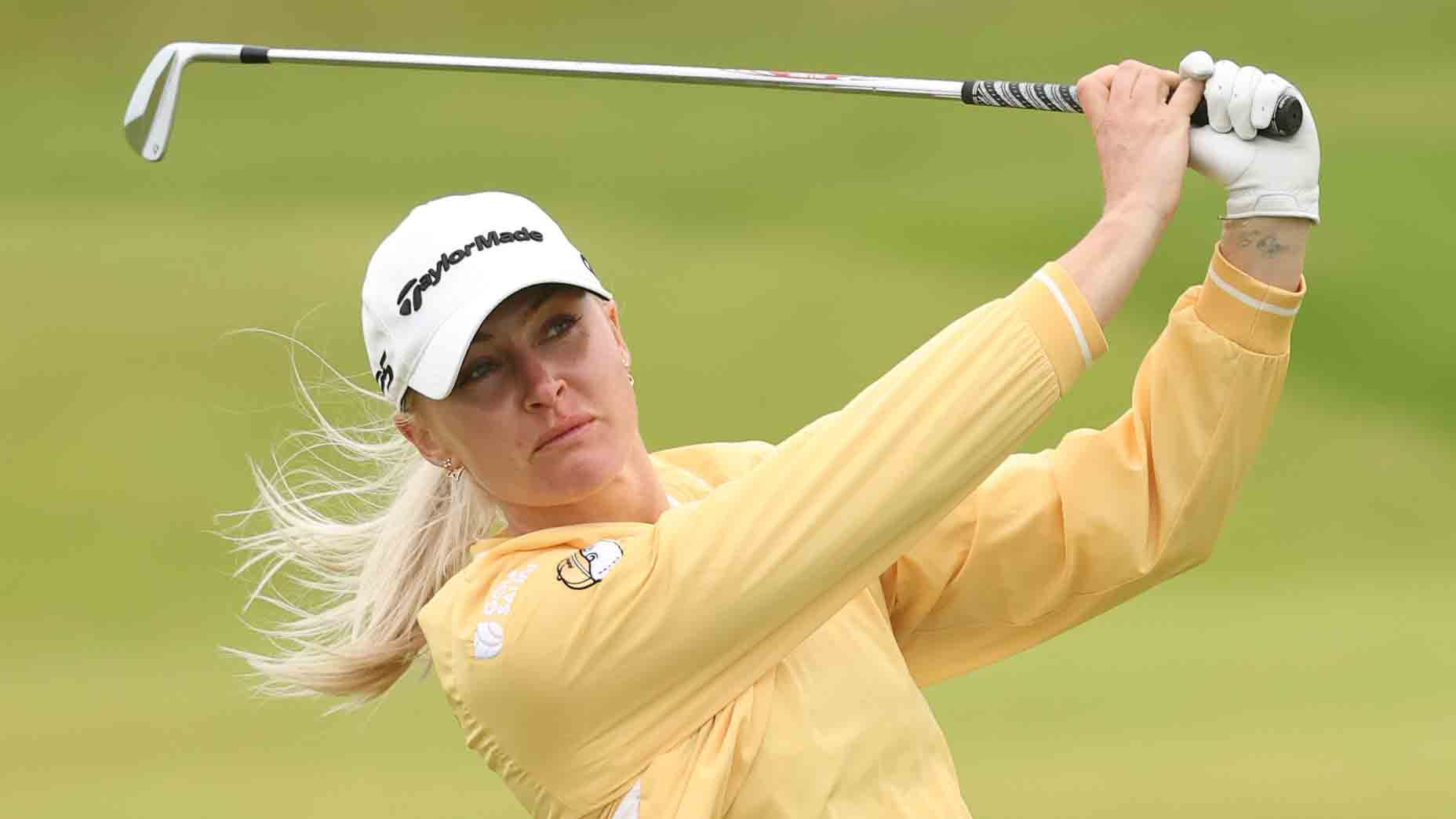

Charley Hull’s Struggles and Comeback: A Deep Dive into the Life of a Golfer
Charley Hull, the talented English golfer, recently made headlines not only for her impressive skills on the course but also for facing a health scare that left her in a precarious situation. This year, Hull participated in the prestigious Women’s Scottish Open and the subsequent Women’s Open, two critical tournaments that form the backbone of women’s professional golf. However, her journey into these competitions was marked by a severe health issue that raised eyebrows and concern among fans and fellow competitors alike.
In a candid interview, Hull described feeling as if she had drunk heavily after a night out—experiencing disorientation and impaired coordination. Despite her aversion to alcohol—consuming it only a handful of times a year—she was grappling with the effects of an unexpected health crisis that struck her during a crucial period in her career. “You know when you have a hangover and the next day, you go to touch something, your hand-eye coordination is out?” she recalled. Her commitment, however, has always been more toward her sport than the distractions of nightlife.
Her health issues began two weeks prior, during the second-to-last major of the year at the Evian Championship. Feeling "rough" leading up to the tournament, Hull pushed through practice rounds even as her body warned her to slow down. “I didn’t want to let my pro-am team down,” she expressed, highlighting the determination common among elite athletes. For Hull, every shot counts, not just for personal gain, but also for those who support her in the journey.
On the day of competition, the fatigue escalated. Hull was one-under through 11 holes, showing resilience and focus despite refusing to acknowledge the growing discomfort. However, it all culminated in a panic-inducing moment as she prepared to hit a shot from a fairway bunker, where dizziness and loss of senses forced her to sit down. “I had to sit down for a minute because my eyesight went and my hearing went,” she recounted, describing the frightening ordeal that would lead to her collapsing mid-game.
The situation took a dramatic turn when Hull lost consciousness. Fellow players and officials rushed to her aid, ensuring she did not sustain any severe injuries when she fainted. “My caddie said my eyes rolled to the back of my head, and I was out for over a minute,” she said, highlighting the severity of the moment. It’s a stark reminder of how unpredictably health can affect even the most finely tuned athletes, and Hull’s experience resonates with many in professional sports.
After regaining consciousness, Hull learned of her dangerously low blood pressure and blood sugar, which ultimately led her to withdraw from the tournament. Despite her immediate disappointment, she maintained that competitive spirit, asking if she might return to the course later that same day. For many athletes like Hull, the desire to compete can often overshadow the body’s clear messages to rest and recuperate.
Just a week after this health scare, Hull was back on the greens at the Women’s Scottish Open. Having received medical advice to rest, she surprisingly found it difficult to stay idle. “I don’t like sitting still,” she admitted, an attitude that reflects the relentless nature of competitive athletes who thrive on practice and competition. Hull’s perseverance has fueled her journey through recovery as an embodiment of the phrase “beware of the sick golfer”—a reminder that one can be formidable even when not at their best.
Her bravery in confronting her health and continuing to train for upcoming tournaments speaks volumes about her character and commitment to the sport. The golf community has rallied around her, reinforcing her place as a prominent figure not only in competition but also as an inspiring athlete facing adversities.
As Hull prepares for the Women’s Open, all eyes will be on how she channels her recent ordeal into performance. Athletes often find strength in their struggles, and Hull has proved to be no exception. With the Scottish Open and major tournaments on the horizon, fans are eager to see how she copes with the immense pressure that comes with being a professional golfer while simultaneously battling personal challenges. Based on her profound resilience and skill, Hull remains a golfer to watch in the coming events.
In conclusion, Charley Hull’s experience extends beyond just an athlete facing health challenges; it serves as a crucial reminder of the human element in sports. The mental and physical toll of competition is real, and athletes like her illustrate the importance of support systems, personal well-being, and the relentless pursuit of excellence, no matter the circumstances. As Hull moves forward in her career, her story will undoubtedly resonate with many, proving that the spirit of competition is as much about overcoming obstacles as it is about winning trophies.
