


The murmurs from PGA Tour CEO Brian Rolapp’s State of the Tour address at the Players Championship have set the golf world abuzz. While definitive answers remain elusive, the hint of rekindling relationships with the nation’s top 10 media markets — New York, Chicago, Philadelphia, D.C., San Francisco, and Boston among them — has truly ignited my imagination. As a golf architecture enthusiast who has walked the fairways of over 200 courses across the globe, the prospect of the Tour returning to these hallowed grounds, perhaps in 2027 or 2028, is nothing short of thrilling. It’s an opportunity not just for golf, but for us to reconnect with courses steeped in history and exceptional design.
Each of these cities has, at one time or another, played host to major championships and memorable PGA Tour events. The question then becomes: which courses deserve the spotlight? The hosts of the LINKS Golf Podcast, whose insights I often find myself nodding along with, have put forward some compelling candidates. And for the Washington D.C. market, one name truly caught my attention: the venerable Chevy Chase Club.

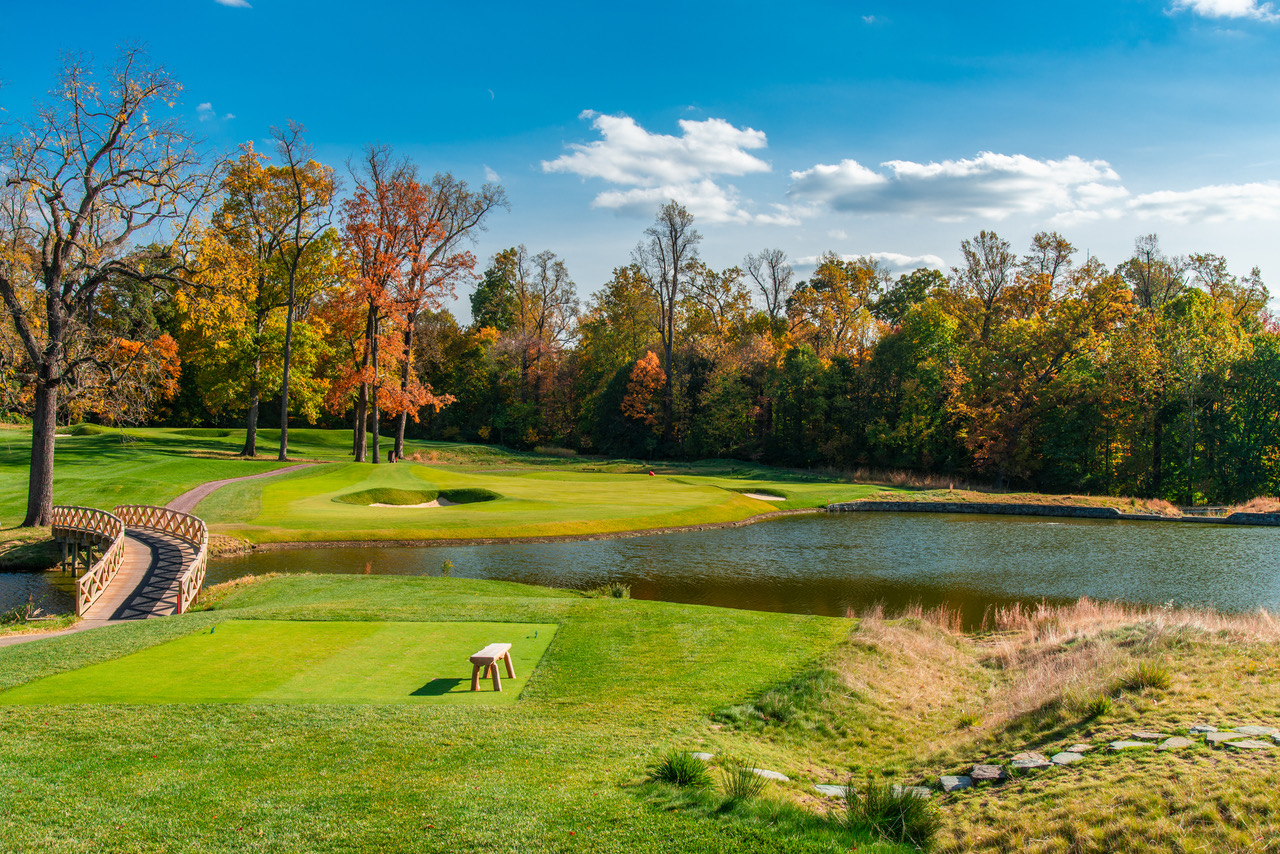
While the podcast hosts didn’t dive deep into the architectural nuances, their choice sent me down a rabbit hole, recalling my own experiences and what makes Chevy Chase Club so exceptional. Nestled gracefully near the bustling heart of Washington, D.C., Chevy Chase Club is more than just a golf course; it’s a living testament to a bygone era of golf design, infused with enduring elegance. I can almost smell the crisp morning air, feel the velvet fairways beneath my feet, and anticipate the subtle challenges that await around every turn. It’s a course that rewards thoughtful play over brute force, a hallmark of many classic designs.
The beauty of Chevy Chase Club lies in its understated brilliance. It doesn’t scream for attention with dramatic elevation changes or outlandish features. Instead, its charm unfolds gently, revealing strategic depth that demands a keen eye and precise execution. The green complexes, in particular, are a masterclass in subtlety. They ripple and contour with an artful grace, creating myriad pin positions that can transform an otherwise straightforward approach into a precarious proposition. It’s the kind of place where a seemingly benign slope can send a well-struck putt veering off course, forcing players to think two and three shots ahead.
Architecturally speaking, many of these classic courses, including Chevy Chase, draw from a lineage of design philosophy that prioritizes strategic options and natural integration with the land. While I haven’t personally delved into the detailed blueprints of its evolution, the course embodies principles championed by greats like Alister MacKenzie – not necessarily in overt stylistic flourishes, but in the intelligent routing that maximizes the existing terrain and offers a variety of ways to play each hole. It’s about creating an engaging walk, a conversation with the course, rather than a relentless assault.
“PGA Tour CEO Brian Rolapp’s State of the Tour press conference during the recent Players Championship didn’t provide all the answers about where the PGA Tour schedule was headed, but he did offer hints. One of the bullet points revealed was that the Tour would like to see an annual event each of the top 10 media markets, six of which are not being currently served.”
This initiative to return to major markets underscores the PGA Tour’s desire to reconnect with its fan base in significant urban centers. Bringing the Tour to a place like Chevy Chase Club would not only provide a tournament steeped in tradition but also offer a uniquely appealing challenge to modern professionals. The course demands precision and a thoughtful short game, which would be a refreshing contrast to some of the bomb-and-gouge layouts we often see today.
A hypothetical Tour event here would showcase how classic design can gracefully withstand the test of time, engaging both players and spectators. Imagine the strategic battles unfolding on its greens, the subtle breaks confounding even the best putters. The tree-lined fairways, while not overwhelmingly narrow, demand accuracy off the tee to avoid being blocked out or finding troublesome lies. It’s a course that encourages artistry over sheer power, a delightful change of pace.
“Each of these major cities has played host to major championships as well as PGA Tour events. If we’re on track to return to these markets—perhaps in 2027 or maybe more likely in 2028—here are the courses the hosts of the LINKS Golf Podcast would most like to see as hosts for these events.”
The suggestion from the LINKS Golf Podcast is a poignant reminder that while many new, flashy courses grab headlines, the enduring quality of classic tracks remains paramount. These are the courses that tell stories, that breathe history, and that provide a different, often more intellectually stimulating, test of golf. Chevy Chase Club, with its refined character and strategic depth, is undoubtedly one such storyteller. It doesn’t try to be something it’s not; it simply is a superb golf course, elegantly crafted and meticulously maintained.
While Chevy Chase Club is a private club and not accessible to the general public, its potential return to the Tour schedule highlights the enduring allure of classic designs. For golf enthusiasts, understanding *why* such courses are chosen by those in the know offers invaluable insight into the principles of great design: subtlety, strategic variability, and an organic connection to the land. If I were to offer a practical tip to any aspiring golf course architect, it would be to study these places; walk them slowly, observe how each contour and bunker influences play, and learn the art of making a course feel both natural and endlessly engaging.
The anticipation builds for 2027 or 2028. Regardless of the exact comeback year, the thought of the PGA Tour gracing the hallowed grounds of Chevy Chase Club, or any of the other magnificent courses in these vibrant markets, is a testament to the timeless appeal of well-designed golf. It’s a chance for a new generation of fans and players to witness the magic of golf architecture at its finest.
_______________
What did you think of the episode? Tell us in the comments below! Also, reach out to us on social media at X, Facebook, or Instagram!
