


The Florida Swing’s Identity Crisis: What the Cognizant Classic Field Reveals About Modern Tour Golf
The PGA Florida Swing gets underway this week at PGA National, and I’ll be honest with you—there’s something telling about who’s not showing up.
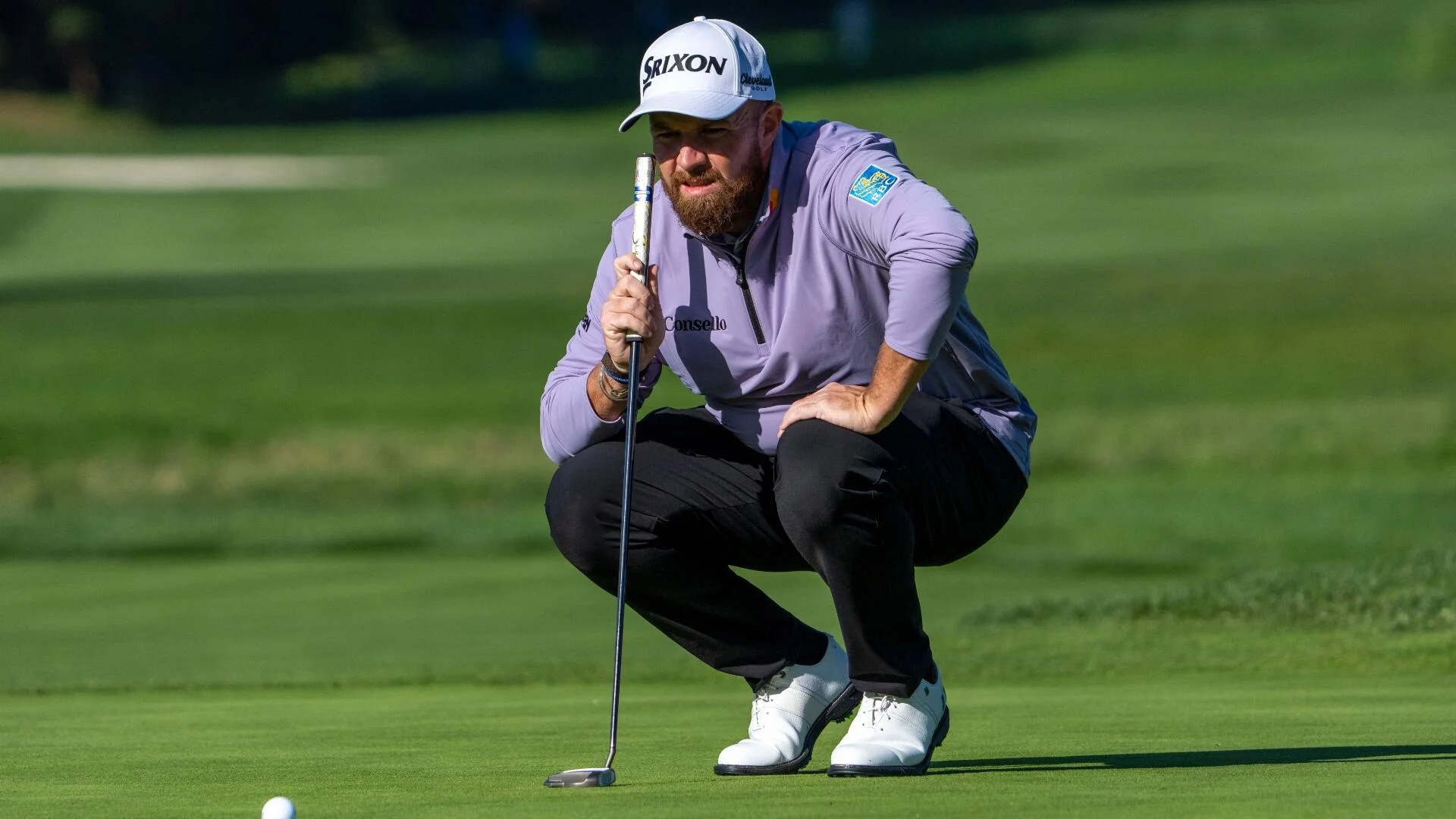
After two consecutive Signature Events that have increasingly become the tour’s marquee attractions, the Cognizant Classic finds itself fielding a noticeably thinner roster of elite talent. We’re talking about a tournament that once commanded the game’s biggest names during what used to be considered peak season. Now? We’re getting past major winners like Shane Lowry and Brooks Koepka, who’s only three events into his PGA Tour return, rather than the sort of field that would make you plan your Thursday evening around it.
In three and a half decades covering professional golf—and having seen this tour evolve from a circuit obsessed with consecutive weeks to one now built around strategic rest and Signature Events—I recognize a shifting landscape when I see one.
The Signature Event Paradox
Here’s what’s happening, and it’s something casual fans might miss: the PGA Tour has inadvertently created a two-tier system that’s reshaping which tournaments matter and which ones become afterthoughts. The Signature Events, with their guaranteed purses and limited fields, have become the aspirational tournaments. Everything else occupies a murkier middle ground.
"The latest 2026 Cognizant Classic odds via FanDuel Sportsbook list Ryan Gerard and Shane Lowry as the +1600 co-favorites."
That’s respectable co-favorite pricing, don’t get me wrong. But consider what it means: Gerard is someone most casual fans couldn’t identify in a lineup, and Lowry—a major champion—hasn’t won an individual PGA Tour event since 2019. The Open Championship victory was tremendous, sure, but he’s essentially been a reliable tour veteran rather than a consistent contender for the last five years.
The computer models at SportsLine apparently agree with my skepticism about Lowry. "The model is extremely high on Daniel Berger as a +2700 longshot, saying he’s a top-six contender despite not being in the top 10 on the odds board." That’s the kind of contrarian take that either looks brilliant come Sunday or gets buried in the noise. But it also tells you something: even the algorithms recognize this is a field where opportunity exists for the right player to emerge.
Brooks Koepka and the Return Question
I’ve spent enough time around returning players to know the arc of their comeback narratives. Koepka missing the cut at Phoenix Open before heading to Jupiter? That’s a red flag, though not an unexpected one. Players reintegrating into the tour after significant absence don’t typically find their rhythm in two weeks.
But here’s where my experience watching comebacks matters: Koepka’s presence alone—however tentative—represents something the tour desperately wants to project: that players can leave and return. In my years caddying for Tom Lehman back in the ’90s, we never faced this sort of geographical or competitive fragmentation. The tour was the tour. Now, it’s more complicated, and having a major champion working his way back into form actually matters more than his current +3300 odds suggest.
The Value Play That Intrigues Me
What strikes me most about this week is how it exemplifies golf’s current operating reality: depth matters more than star power. When your co-favorites aren’t in the conversation for the year’s biggest tournaments, you’re running on tournament momentum and course-specific advantage rather than supreme talent concentration.
"Berger struggled in his past two events, though he does have a pair of top-20 finishes this season — one at the Sony Open and another at the WM Phoenix Open. He has three top-five finishes at this event, which used to be known as the Honda Classic, including one in 2022."
That Honda Classic history is genuinely useful intel. This course suits certain players, and Berger’s demonstrated he can win here before. In my experience, when a player knows a venue and the field lacks overwhelming star power, familiarity becomes currency.
What This Means for Tour Health
I’m not going to catastrophize about this. The Cognizant Classic will produce a winner, someone will hole the winning putt, and the golf will be entertaining. But there’s a structural question worth asking: at what point does a tournament lose its identity when major champions and top-10 players consistently opt out?
The tour’s pivot toward Signature Events was supposed to create premium content while still maintaining the traditional calendar’s prestige. What we’re seeing instead is a tiering effect—and the Florida Swing, historically one of the tour’s anchors, is feeling that reordering.
That said, opportunities like this are where younger players prove themselves and mid-tier professionals find relevance. It’s not ideal for the event’s marketing, but it’s honest golf, the kind where the best player that week wins rather than the biggest name drawing crowds.
The Cognizant Classic matters, even if it doesn’t feel like it does. And sometimes the most interesting stories come from tournaments where nobody’s quite sure who’ll emerge on top.
