

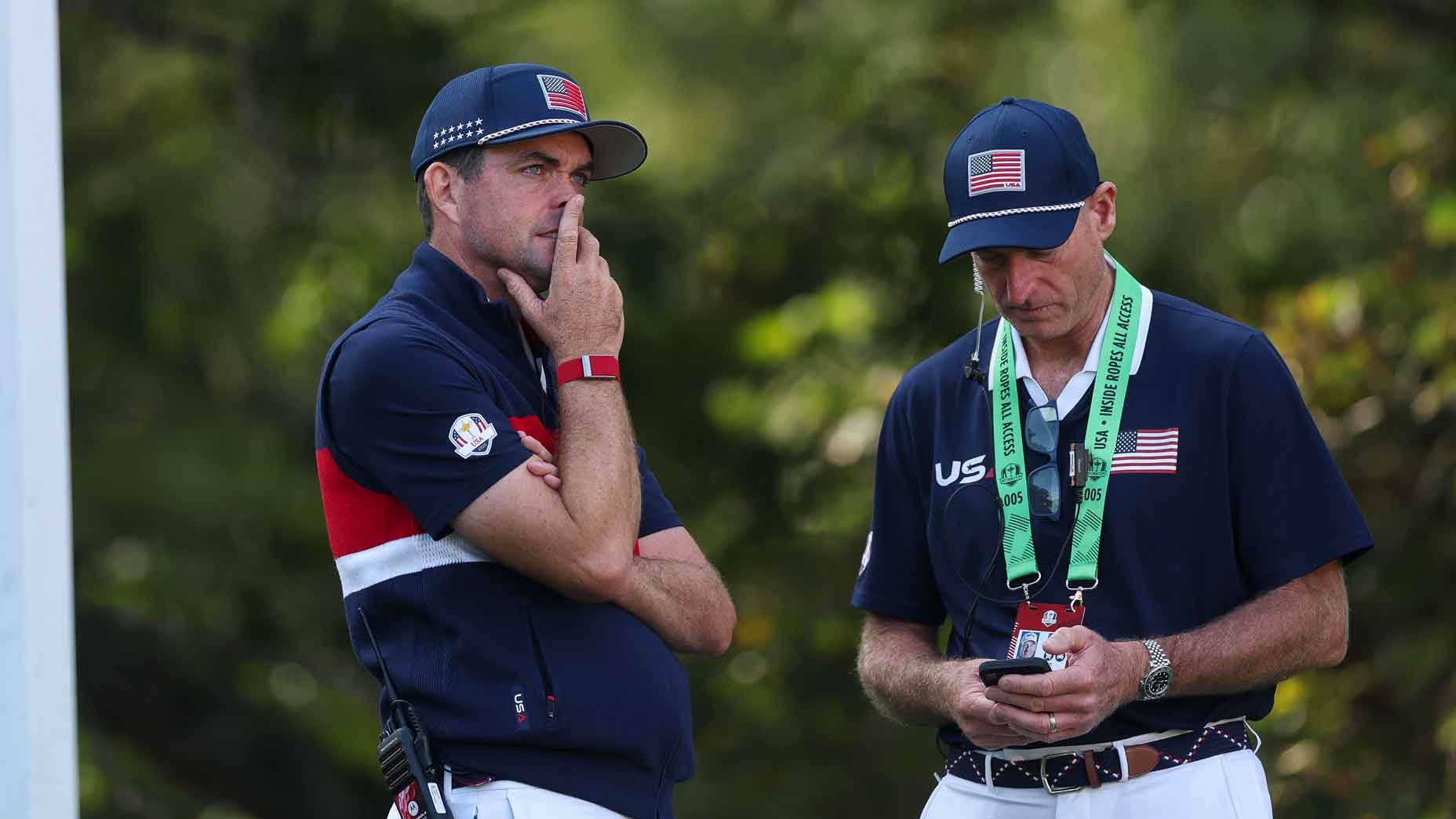

The U.S. Ryder Cup Team: Analyzing the Factors Behind Their Disappointing Loss to Europe
In the aftermath of the U.S. team’s disheartening loss to Europe at the Ryder Cup, discussions have ignited around the various factors contributing to their defeat. A prevalent theory emerged regarding the famed green speeds at Bethpage Black, a storied course that has hosted numerous high-stakes tournaments, including the Ryder Cup itself. As we delve into the critical elements surrounding this event, we will highlight how course conditions impacted play and what lessons the American team can learn going forward.
Course Setup: A Double-Edged Sword
In a post-loss press conference, U.S. captain Keegan Bradley openly admitted that his directives regarding the course setup may have inadvertently favored the European side. Changes such as moving up tees and reducing the notoriously thick rough at Bethpage Black were intended to create a more competitive environment. However, these alterations had the opposite effect, limiting the strategic challenges that typically give the U.S. team a home-field advantage. Understanding how course setup can influence gameplay is essential for future Ryder Cup success.
The Green Speeds Dilemma
One of the critical factors that emerged from muted conversations was the condition of Bethpage’s greens. Bradley noted that the greens were softer than expected: "The greens were as soft as I’ve ever seen greens without it raining." This softness contrasted sharply with the typical firm playing conditions expected at the course. In previous tournaments, players have thrived on fast greens that challenge their putting skills. The subdued conditions made it difficult for the American team to gain the upper hand in crucial putting situations.
Struggles with the Flat Stick
In reflecting on the team’s performance, captain’s pick Justin Thomas highlighted a crucial aspect of the game: putting. “We needed to make more putts,” he stated, reflecting the shared sentiment among his teammates. The inability to capitalize on opportunities around the green ultimately hampered the American effort. While the team boasted high-caliber players, the soft greens reduced the effectiveness of their putting, bringing to light the importance of adapting to course conditions.
Doubts on the Green Speed Measurement
Vice captain Jim Furyk pointed out an important dichotomy between what they were told and what they experienced on the ground. The U.S. team was informed that the green speeds were set at a precise 12.5 on the Stimpmeter, but many players doubted this claim. Furyk mentioned, “Guys had a hard time getting putts to the hole and it did appear to be a little gluey.” This perception of slower greens added an element of psychological stress, leading players to focus internally instead of relying on their established techniques and instincts.
The Importance of Firm Greens
Historically, U.S. players have performed well on firmer greens, a staple of PGA Tour events. Bradley noted this significant difference in playing styles between the PGA and the DP World Tour, where European players often contend with slower green conditions. An understanding of these disparities and adapting gameplay accordingly is critical for future success at international events. The ideal scenario would have seen the greens quicken as the event progressed, but this didn’t materialize, thwarting the Americans’ plans.
A Tactical Approach to Future Events
Looking ahead, the U.S. team must rethink its strategic approach regarding both course setup and player preparation. While fast greens typically favor American players, incorporating a thorough analysis of course conditions and potential environmental factors is vital. Engaging in meticulous pre-tournament scouting will enable the coaching staff and players to adjust their strategies effectively, setting the stage for a better outcome.
Learning from Losses
In sports, losses often serve as valuable learning experiences. For the U.S. Ryder Cup team, the defeat to Europe holds lessons in both psychological resilience and tactical adjustments that transcend mere statistics. Players need to maintain the confidence to adapt to varying conditions without losing focus on their core competencies. Each round is a testament to the team’s resilience, and leveraging this loss to foster growth could lay the groundwork for future success.
Building a Cohesive Team
Team dynamics play a crucial role in performance at high-pressure events like the Ryder Cup. Establishing a sense of cohesion goes beyond talent; it encompasses communication, trust, and camaraderie among players. Future training camps should focus on building relationships within the team, ensuring that players feel comfortable voicing their observations and concerns about course conditions. A united front will help navigate the pressures of competition more effectively.
Embracing Innovation in Training
As golf evolves, so too should training methodologies. The U.S. Ryder Cup team may benefit from innovative techniques in preparation, including technology-driven analytics that examine course conditions and player performance. Incorporating data analytics can allow players to explore various scenarios and enhance their strategies, making them more adaptable in unpredictable situations.
The Road Ahead for Ryder Cup Aspirations
While disappointment lingers from the recent Ryder Cup loss, this moment can act as a catalyst for change and improvement for the U.S. team. By addressing course conditions, refining gameplay strategies, and bolstering team dynamics, the Americans have an opportunity to rise stronger in future tournaments. Learning from past mistakes is essential for evolving and ultimately reclaiming dominance in this prestigious international competition.
In conclusion, navigating the complex variables in a setting like the Ryder Cup is no easy task. However, with a concerted effort to learn from this experience, the U.S. team can turn the page and gear up for a more formidable showing in upcoming events. As they prepare for the next challenge, the focus on adapting to course conditions, maximizing performance, and reinforcing team unity will be more vital than ever.
