


As a golf course and travel writer, I’ve been fortunate enough to walk the hallowed grounds of over 200 courses across the globe. Each one whispers its own story, a narrative spun by architects, shaped by nature, and ingrained by the moments of triumph and despair etched into its turf. While championship stretches like the ‘Bear Trap’ or ‘Amen Corner’ rightly command attention for their legendary difficulty, it’s often the individual holes, those with names that resonate deeply with their character, that truly capture the imagination.
The beauty of a well-named hole lies in its ability to encapsulate the very essence of the challenge it presents, hinting at the architectural brilliance (or sadistic genius) that shaped it, or even recalling a bygone historical moment. These are more than just numbers on a scorecard; they are invitations to confront, to strategize, to perhaps even curse, but always to remember.
The Gambler: Where Risk Meets Reward
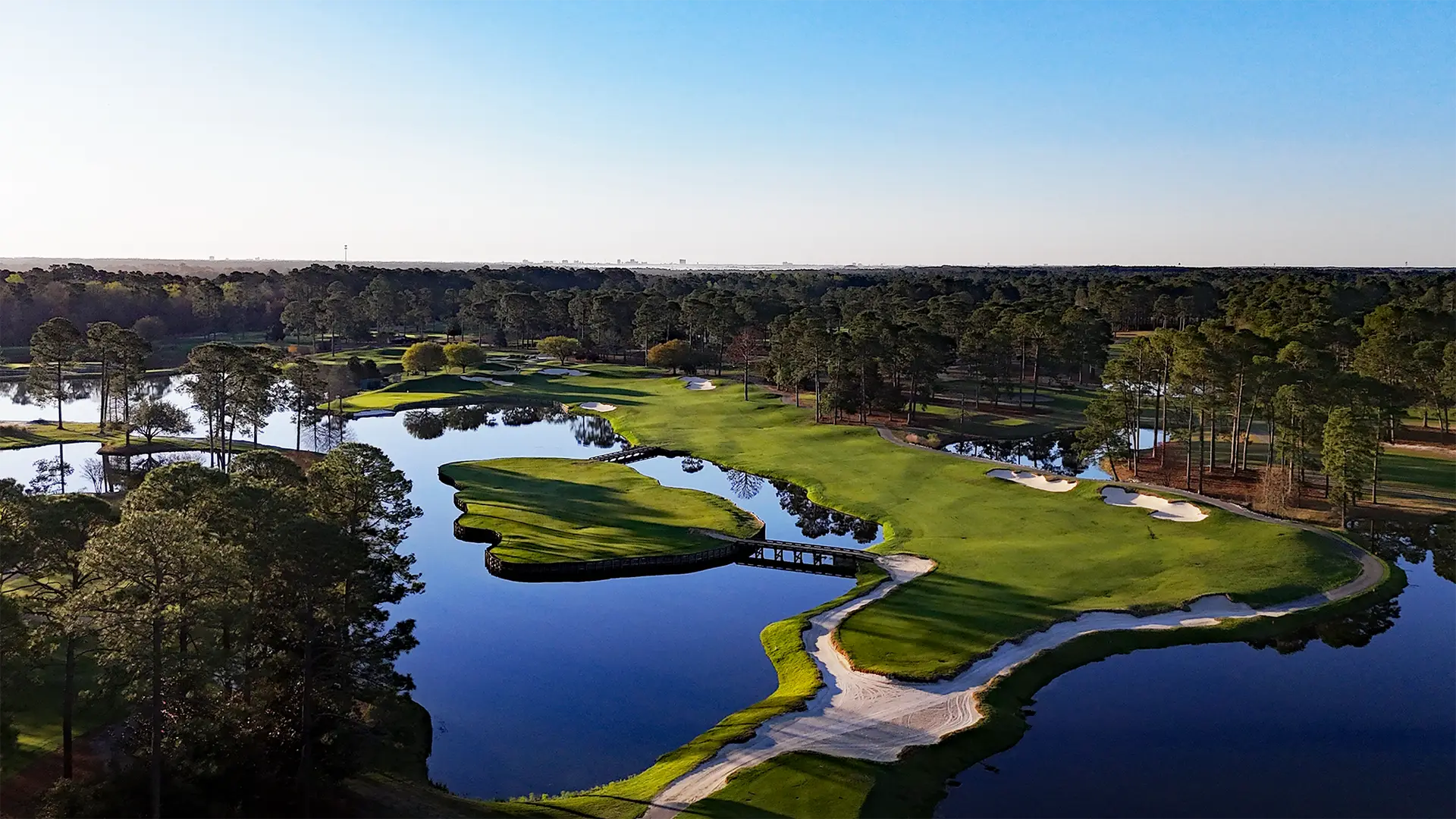
Let’s kick things off at Myrtle Beach National’s King’s North, a track designed by the legendary Arnold Palmer. Hole 6, aptly titled “The Gambler,” is a masterclass in strategic decision-making. Palmer, always a fan of giving players choices, presents a par-five that defies the conventional wisdom of getting home in two.
“Those who live dangerous and take aim at that island fairway might have only 150 or 160 yards into the green, but such a tee shot comes with plenty of risk—hence, this hole’s name: The Gambler.”
Most par-fives offer a sliver of hope for a heroic second shot. Here, however, a daring tee shot to a secluded island fairway dramatically shortens the hole. It’s a tantalizing prospect, shaving off a significant chunk of yardage and potentially leaving a short iron into the green. But miss that sliver of land, and you’re staring down double bogey or worse. This risk-reward dynamic is what makes golf so compelling, and “The Gambler” embodies it perfectly, forcing players to weigh ambition against prudence from the very first shot.
Stairway to Heaven: An Uphill Battle with a Heavenly Reward
Transitioning from the strategic lowland of Myrtle Beach to the sculpted Florida landscape, we find ourselves at Apogee’s Apex course, home to the wonderfully named 13th hole, “Stairway to Heaven.” This course, a collaboration between Tom Fazio II and Mike Davis, is a testament to the power of earthmoving, relocating a staggering six million cubic yards of dirt to create an undulating canvas.
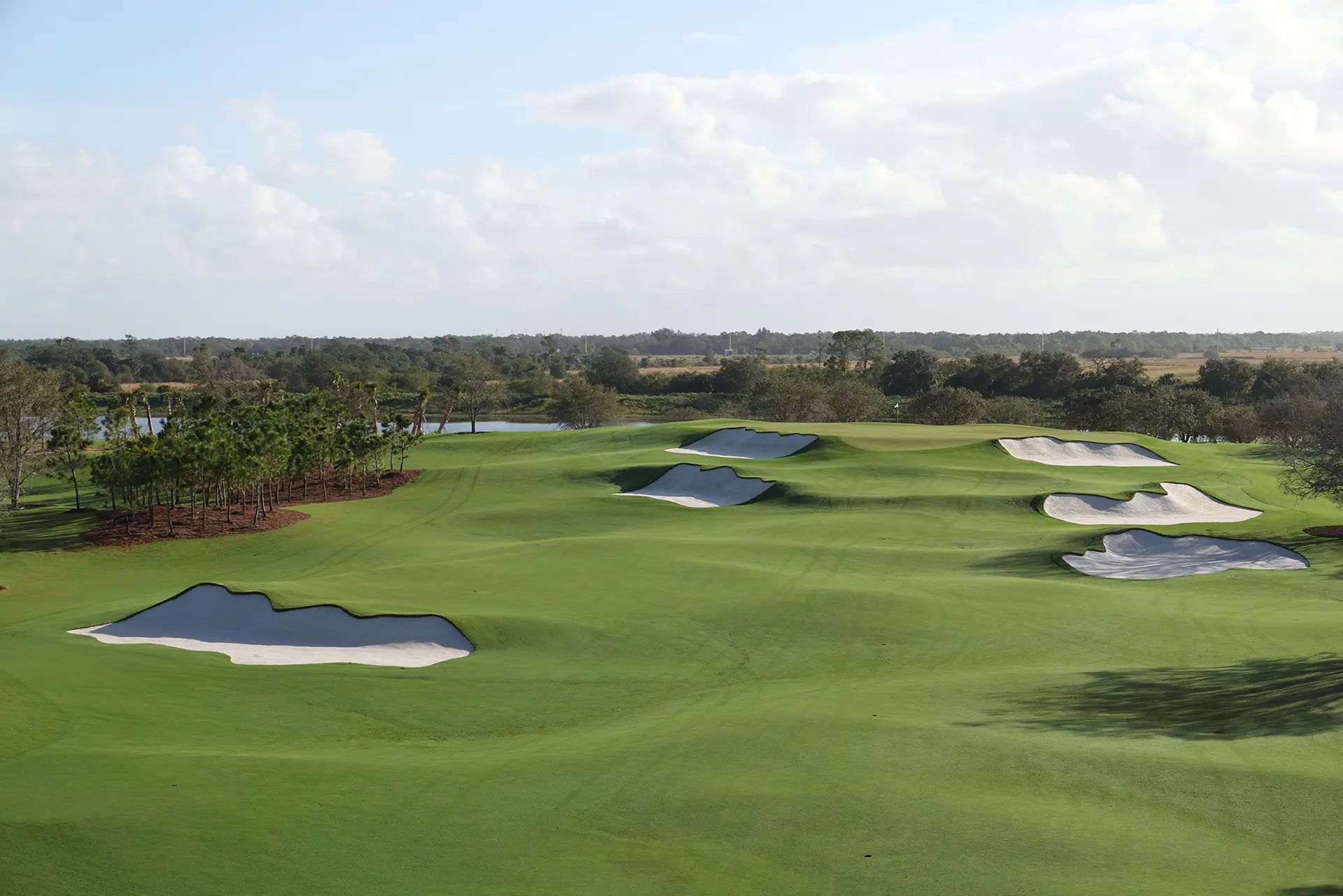
“At one of the highest points on the course, you’ll find the green complex for the 13th hole, a relatively short (possibly drivable) par four that plays notably uphill and features distinct ledges that stairstep their way up to the putting surface.”
The name perfectly captures the visual and strategic elements at play. The hole ascends dramatically, a series of distinct ledges acting like natural tiers leading up to the putting surface. It’s a striking design feature, a deliberate architectural choice that ensures a relatively flat lie for approach shots despite the severe elevation change. This design invites an aggressive play, a well-struck drive putting a birdie well within reach. It’s a testament to how intelligent design can create an exhilarating experience, even amidst significant topographical shifts.
Calamity Corner: A Ravine’s Intimidation
Across the Atlantic, where the linksland whispers tales of golf’s origins, lies Royal Portrush’s Dunluce course, home to the infamous “Calamity Corner” – the 16th hole. This par-three is a beast, a masterclass in psychological warfare dressed in lush Irish green. Playing a staggering 236 yards from the tips, it’s not just the length that unnerves; it’s the gaping chasm that swallows anything short and right.
“Miss short and right, and there’s a good chance you’ll be lying at least three by the time your ball comes to rest on the putting surface… If you want to avoid a calamity on your scorecard, follow the yardage guide’s advice and “take plenty of club and hit for the back left of the green.””
I’ve walked countless courses, but few par-threes evoke such a visceral reaction without the presence of water. The precipitous 50-foot drop into the ravine is a constant, looming threat. This is a hole that demands not just a well-struck shot, but absolute conviction. There’s no bailing out to the left for an easy chip; that’s where the green’s deepest pockets hide. It’s a bold, uncompromising design, where the name isn’t just descriptive, it’s a warning. Playing a provisional here almost feels like a prerequisite for sanity. Indeed, “Calamity Corner” is a name earned, not given, and it offers an unforgettable, often maddening, links experience.

Beyond the Common Knowledge
While the ‘Road Hole’ at St. Andrews gets all the fanfare, and rightly so, I’ve always held a special affection for the 18th back at the Old Course, named “Tom Morris.” It’s a testament to the indelible mark an individual can leave on a course and, by extension, on the very fabric of golf. Morris, the course’s long-time greenskeeper, is said to have shaped this closing green himself, considering it one of his finest works. This isn’t a name born of impending doom or strategic conundrum; it’s a tribute, a nod to the craftsmanship and legacy embedded in the turf. Finishing here, knowing the history beneath your feet, adds another layer to an already profound golfing experience.

These individual hole names, while perhaps not as globally renowned as their multi-hole counterparts, offer a unique window into the golf architect’s mind and the character of the course. They are signposts on a journey, hints of the challenge or the reward that awaits, and for discerning golfers, they are an integral part of the game’s rich history and architectural tapestry. So, the next time you step onto a tee with an unusual moniker, take a moment. There’s likely a story, a challenge, or a tribute waiting to be discovered.
