

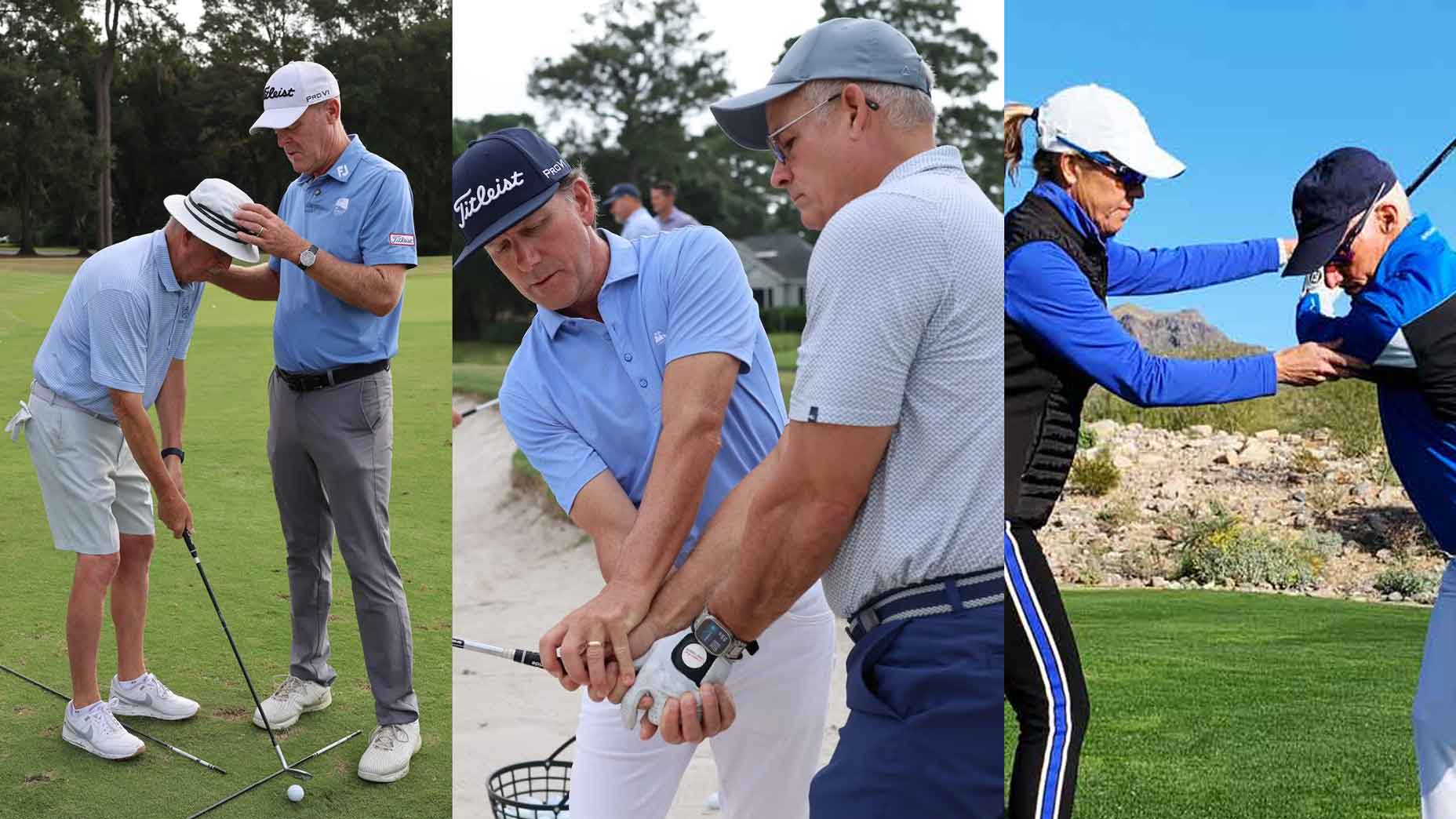

GOLF Schools Is Filling a Gap the Tour Left Wide Open
After 35 years covering professional golf, I’ve watched the sport evolve in ways both remarkable and troubling. We’ve seen technology transform the game, equipment regulations tighten, and the PGA Tour fight for its very identity. But here’s something I don’t think gets enough attention: the instructional landscape has been fragmented for decades, leaving recreational golfers caught between expensive one-off lessons and expensive week-long academies that cater mainly to serious competitors.
So when I saw GOLF Schools launching comprehensive learning intensives at premier courses nationwide, I had to pause and think about what this really represents. It’s not just another instruction program. It’s a recognition that the gap between club-level golfers and elite coaching has become too wide to ignore.
The Missing Middle in Golf Instruction
Having caddied for Tom Lehman back in the ’90s, I saw firsthand how instruction worked at the highest level. Tom was meticulous about his mechanics, worked with top coaches, and approached improvement methodically. But here’s what struck me then—and what’s only intensified since—most golfers never get access to that caliber of systematic coaching combined with real-world application.
For years, you had two options: drop $150-250 for a 30-minute lesson at your local club, or pay serious money for a multi-week residential program that assumed you were either pursuing a career in golf or were already playing to a very low handicap.
GOLF Schools appears to be threading that needle differently. According to their description,
“Starting at $3,650, each program is fully comprehensive — covering everything from full-swing mechanics and scoring shots around the green to the fundamentals of putting — all set against the backdrop of some of the country’s most renowned golf courses and facilities.”
That price point matters. It’s not chump change, but it’s not prohibitively expensive either. For a working professional spending a few grand on a long weekend that could transform their golf for years? That’s accessible to a real swath of American golfers.
What Actually Separates This From Other Programs
In my experience covering the tour and watching instruction evolve, I’ve learned that elite coaching isn’t just about mechanics. It’s about integration. You can perfect your swing on the range—I’ve seen plenty of golfers do that. But when you step to the first tee, suddenly everything changes. Pressure, course management, shot selection, mental strategy. Those skills live in a different dimension.
What strikes me about GOLF Schools is their explicit commitment to bridging that gap. They’re not just running range sessions.
“Students will take the skills honed on the range to the course, where our on-course sessions will test you with real-life playing situations. Here, instructors provide guidance on shot selection, course management and strategy, ensuring that these lessons translate seamlessly to the course.”
I’ve sat in enough pro-am pairings and pro shop conversations to know that most golfers’ frustration isn’t about swing mechanics—it’s about consistency and execution under pressure. Having coached instruction translate directly to on-course performance? That’s the breakthrough a lot of players are searching for.
The Personalization Factor
Another element that caught my attention is their emphasis on customization. Golf instruction has historically been a one-size-fits-all enterprise. Group lessons follow a curriculum. Private lessons follow a coach’s methodology. But golfers aren’t interchangeable—their needs, limitations, and learning styles vary dramatically.
“Every GOLF School gives students the flexibility to tailor their experience to the areas that matter most to their game. Whether that means developing a reliable drive, learning to shape iron shots on command or mastering drills to maintain your game after the event is over, these programs aren’t just about instruction — they’re built to equip golfers with the tools to play your best golf ever.”
The part about post-event drills particularly interests me. One of the failures of traditional instruction is the post-lesson collapse. You get better for a week, then gradually revert to old patterns because you don’t have a maintenance system. Building that into the program from the start is smart design.
Why This Matters Right Now
Look, the golf industry faces real headwinds. Participation has struggled on and off for years. The pandemic created a temporary surge that’s mostly normalized. Interest in the tour itself has become fragmented—some people care about LIV, some are invested in the PGA Tour’s evolution, others are fixated on majors.
But recreational golf—the weekend warrior market—that’s still the foundation of the entire ecosystem. Growing that population and deepening their engagement matters enormously. Programs that help average golfers actually improve their game aren’t just nice-to-haves. They’re essential infrastructure.
The Instruction Industry Is Changing
In my three decades covering the tour, I’ve watched instruction become increasingly democratized through YouTube, apps, and digital coaching. That’s been wonderful in some ways—quality information is now freely available. But it’s created a paradox: more instruction options, yet more confused golfers. Without context, individualization, and integration, a thousand YouTube videos just create analysis paralysis.
Traditional golf academies have thrived by catering to either juniors with aspirations or wealthy golfers with lots of time. But the middle market—the accountant who loves golf, shoots in the low 80s, and wants to get to the mid-70s—has been underserved. That’s a real opportunity, and GOLF Schools seems to be addressing it seriously.
Will it work? Will these programs deliver transformative results for participants? That’ll become clear once people start taking them and reporting back. But I’m encouraged by the framework: elite instructors, distinguished venues, comprehensive curriculum, and real-world application. Those are the building blocks of meaningful improvement.
That’s worth paying attention to.
