


The Cognizant Classic’s Identity Crisis: Why Tour Elites Are Running from PGA National
In my 35 years covering professional golf, I’ve watched the PGA Tour calendar transform from a sacred covenant between players and tournaments into something that resembles a high-stakes scheduling game of musical chairs. This week’s exodus at the Cognizant Classic is the latest—and perhaps most telling—evidence that the traditional tour structure is buckling under the weight of its own priorities.
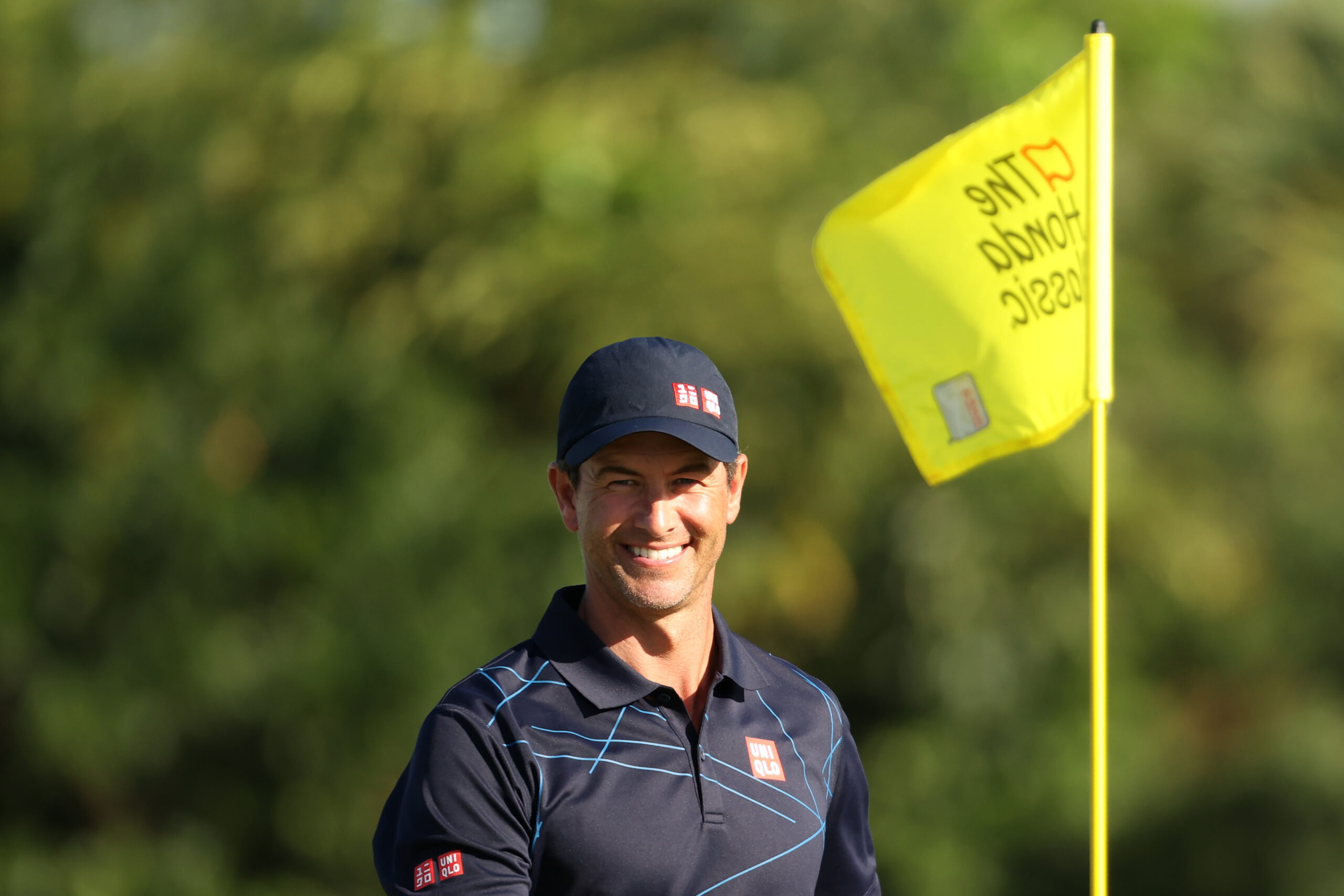
Let me be direct: when Genesis Invitational winner Jacob Bridgeman withdraws just 24 hours after a signature victory, and he’s quickly followed by Ryder Cup player Ben Griffin and Adam Scott (fresh off a solo fourth finish), you’re not looking at coincidence. You’re looking at a structural problem.
The Calendar Has Spoken, And It’s Brutal
What strikes me most about this situation is how nakedly it exposes the tour’s new pecking order. The Cognizant Classic—a tournament that once carried genuine prestige—now sits in an uncomfortable middle position on the calendar. It’s sandwiched between lucrative Signature Events that command resources, attention, and top talent, yet it doesn’t carry the same financial incentive or prestige as The Players Championship, which Scott wisely chose for his next start.
“Three of the tournament favorites have withdrawn from the event, with Scott replaced by Chan Kim, Griffin with Jackson Suber and Bridgeman with Lanto Griffin.”
Having caddied for Tom Lehman back in the day, I remember when a player’s word and commitment to the tour schedule meant something sacred. Today’s environment is different—players are making calculated business decisions, and I can’t entirely blame them. Why burn out the body and mind at PGA National when The Players Championship awaits just two weeks later? From a pure golf management standpoint, it’s rational. From a tour loyalty standpoint? It’s something else entirely.
The Withdrawal Domino Effect
What fascinates me is the domino pattern here. Bridgeman and Griffin ranked 20th and 11th in the world rankings respectively. These weren’t marginal names—they were supposed to be field anchors. Their absence means
“World No. 26 Ryan Gerard becomes the highest-ranked player in the field”
—a significant drop in tournament caliber that casual fans might not immediately grasp but tour insiders recognize instantly.
The replacements tell their own story. Chan Kim, Jackson Suber, and Lanto Griffin are solid professionals, but they represent a tier below the original commitments. Only 14 of the 72 players who competed last week will return to PGA National this year. That’s roughly 19 percent continuity. For context, that’s a turnover rate I’d normally expect to see at a developmental tour event, not an established PGA Tour stop.
Brooks Koepka’s Silver Lining
Here’s where I find some optimism in the narrative: Brooks Koepka’s entry into the field, expanding it to 123 players, represents something genuinely interesting for the tour. Koepka is making his third PGA Tour start since rejoining from LIV Golf, and his presence—along with top-50 talents like Shane Lowry, Aaron Rai, and five-time Major winner credentials—keeps the field from becoming completely watered down.
Koepka’s addition cascaded across multiple tournaments this season. His entries at the Farmers Insurance Open and WM Phoenix Open created sponsor exemption spots for Frankie Capan III and Carson Young. It’s a reminder that star power still has gravitational force on the tour calendar, even if that gravity has shifted considerably from where it stood three years ago.
The Bigger Picture Nobody’s Talking About
In my experience covering 15 Masters and watching tour dynamics evolve, what concerns me most isn’t any single withdrawal—it’s what these withdrawals collectively signal about how players now view regular tour events. The rise of Signature Events, the LIV Golf landscape, the consolidation of talent toward premium opportunities—it’s all creating a two-tier system where traditional tournaments become either destination events or afterthoughts.
The Cognizant Classic isn’t suffering because it’s a bad tournament. PGA National is a perfectly legitimate venue. The problem is positioning. It’s caught between forces that are reshaping professional golf’s hierarchy, and no amount of sponsorship dollars can fix that.
That said, this isn’t apocalyptic. Ryan Gerard and his fellow competitors will play quality golf. The field still includes legitimate talent—Rasmus Hojgaard, Michael Thorbjornsen, and Sami Valimaki represent promising tour futures. And for players outside the absolute elite tier, this represents genuine opportunity to compete for significant prize money against a more accessible field.
What Happens Next
The real question isn’t about this week’s field. It’s whether the tour will continue accepting this calendar fragmentation or whether the membership will demand structural changes. Players are voting with their feet—or more accurately, their travel calendars—and the message is clear: they’ll optimize for maximum opportunity and minimal burnout.
The Cognizant Classic will be a fine tournament. But it’s now undeniably a second-tier event in the modern tour hierarchy, and everyone involved understands exactly where it sits in the pecking order. That’s not pessimism; it’s just golf’s new reality.
