


Bethpage Black: The Controversy Surrounding the 2025 Ryder Cup
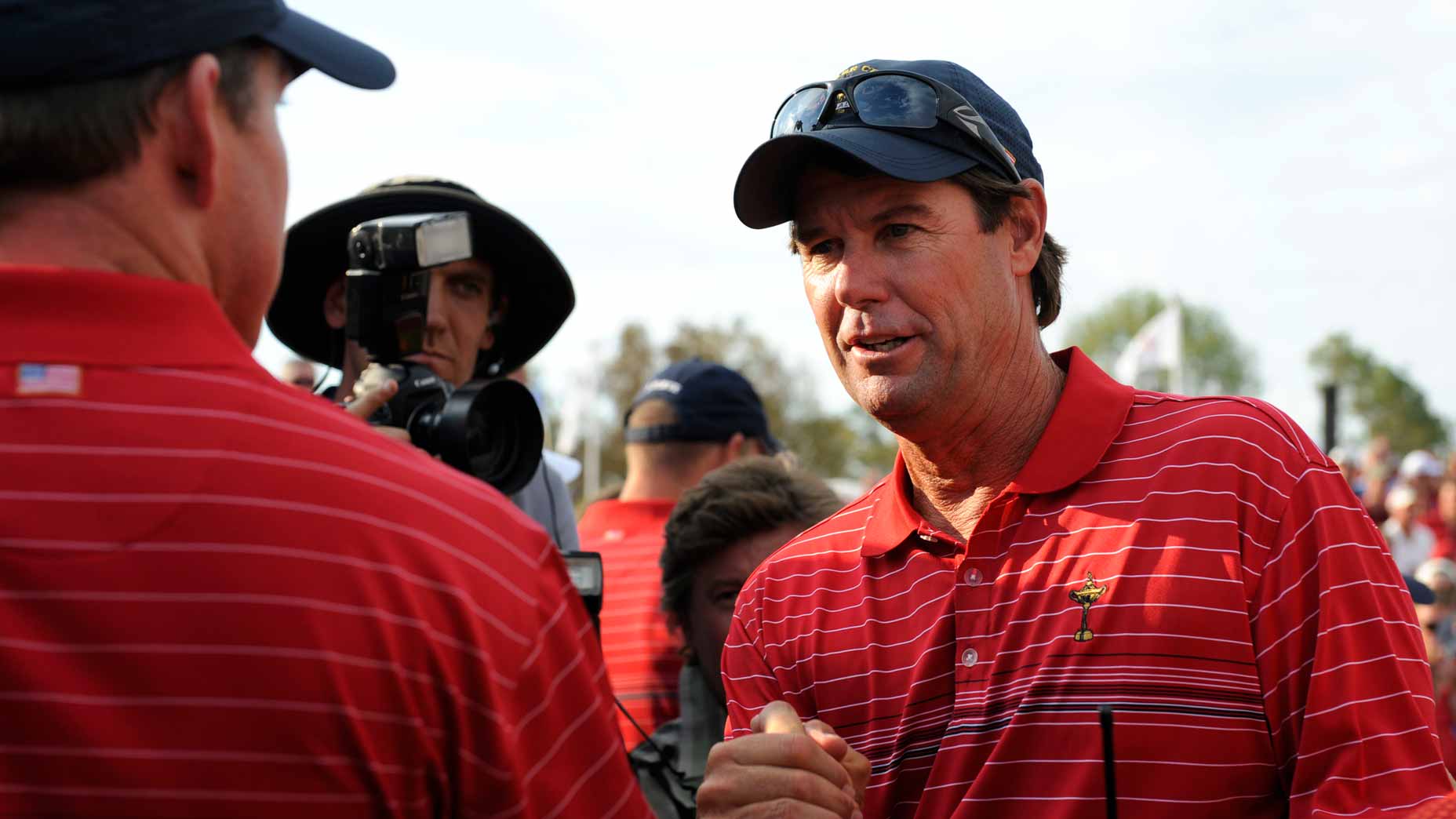
New York’s iconic Bethpage Black course is set to host the eagerly anticipated 2025 Ryder Cup, but not everyone is onboard with this choice. Former U.S. Ryder Cup winning captain Paul Azinger recently voiced his strong objections during a guest appearance on Trey Wingo’s podcast, "Straight Facts Homie!" Azinger went as far as to say he “couldn’t stand” the course and insisted that U.S. Ryder Cup players “don’t love” it either. This criticism has sparked discussions about the suitability of Bethpage Black for such a prestigious event.
Azinger’s Vivid Critique
Azinger’s disdain for Bethpage Black isn’t new; he has a history at the course, infamously missing the cut during the 2002 U.S. Open. During the podcast, he stated bluntly, “I really don’t like Bethpage Black,” citing various design elements that make the course challenging. He expressed frustration with what he views as awkward angles and visibility issues that detract from the golfing experience. Critics might see this as an expression of personal attachment, but Azinger’s words cut deeper, questioning the PGA of America’s decision-making.
The Historical Context of Bethpage Black
Designed in 1936 by golfing architect A.W. Tillinghast, Bethpage Black has earned a reputation as one of the hardest public courses in America, ranked 34th on GOLF’s Top 100 U.S. Courses. Yet, Azinger’s passionate critiques have reignited discussions about whether the PGA of America made a misstep in choosing this course for the Ryder Cup, especially given its storied history as a major championship venue.
U.S. Ryder Cup Team’s Familiarity with the Course
Azinger’s claim that the U.S. team isn’t familiar with Bethpage Black raised eyebrows, particularly as several team members have played significant tournaments there. Notably, U.S. captain Keegan Bradley has frequented the course during his amateur days, while Cameron Young has even won the New York State Open on this legendary turf. The contrasting opinions between Azinger’s critique and the players’ positive experiences showcase a divide that deserves further examination.
Azinger’s Views on Course Familiarity
In his critique, Azinger emphasizes the glaring oversight of course familiarity when selecting venues for the Ryder Cup. “Nope, not at all. We don’t know the course,” he noted. This resonates with traditional Ryder Cup strategies where familiarity with the host course can provide a competitive edge. More seasoned players often argue that knowing a course intimately can lead to crucial benefits in terms of strategy and game planning.
Azinger’s Strategy Concerns
Azinger went on to question the logistics concerning course setup for the event. He reminded listeners that historically, the European team often exerts influence over the course’s conditions, a factor that could potentially tilt the scales during competitive play. Azinger’s insights reveal a deeper strategic divide that may impact the U.S. team’s performance, emphasizing the necessity of meticulous preparation.
The Crowd’s Role in the 2025 Ryder Cup
As any sports fan knows, the crowd can be a significant force during events like the Ryder Cup. Azinger underscored this in his remarks, mentioning how New York’s passionate fans may turn volatile should the U.S. team falter. “I feel if the U.S. gets off to a bad start, even the crowd can be volatile there,” he warned. This perspective rings particularly true in the high-stakes environment of the Ryder Cup, where player performance is intricately tied to crowd dynamics.
Balancing the Playing Field
With Team Europe having historically taken advantage of course conditions and crowd energy, Azinger insists that it’s essential for U.S. Captain Keegan Bradley to harness these factors effectively. Success in the Ryder Cup hinges not just on individual talent but also on how well the team can rally support and effectively engage with the crowd.
Azinger’s Optimistic Preparation Outlook
Despite his criticisms, Azinger expressed confidence in the U.S. team’s preparation strategies leading up to the event. He noted the mistakes made during the 2023 Ryder Cup and stated, “We got out-prepared last time, and I don’t think we’ll get out-prepared this time.” This suggests that both he and the U.S. team are committed to learning from past failures and recalibrating to ensure they have the best chance at victory.
The Essential Nature of Preparation
Azinger stressed that there’s no shortcut to success, insisting that proper preparation is indispensable when facing Europe’s seasoned players. “You’re not going to hope for it or wish for it,” he stated, emphasizing that the U.S. must out-prepare the Europeans if they want to secure a win at Bethpage Black.
A Different View from the Players
While Azinger’s opinions create a narrative of skepticism, players like Cameron Young offer a contrasting perspective. Young has publicly expressed his affection for Bethpage Black, noting that it’s a “straightforward, big-boy golf course” that offers a fair challenge. This divergence in sentiment points to the possibility that while some players have fond associations with the course, others bear scars from their experiences.
The Battle of Perspectives
When it comes to pleading a case for or against Bethpage Black, the golf community is divided. Azinger’s criticisms primarily arise from his personal struggles during his tenure, whereas other players see the course as an opportunity. This nuanced take provides depth to the ongoing argument: can a course be loved and hated simultaneously?
Final Thoughts on the 2025 Ryder Cup
As the countdown to the 2025 Ryder Cup continues, the discussion surrounding Bethpage Black intensifies. If Azinger’s critiques are any indication, the event will be watched not only for the golf but also for the psychological battle between players and fans alike.
The rhetoric around course familiarity and player dynamics raises vital questions that transcend sporting venues. Will the U.S. team enter with a strategy that overcomes the course’s challenges, or will past criticisms overshadow their performance? Only time will tell as we await the first matches on September 26th, 2025. The future of U.S. Ryder Cup success could very well depend on how both players and fans react to the highs and lows of Bethpage Black.
In conclusion, the 2025 Ryder Cup at Bethpage Black promises to be a captivating spectacle filled with historical nuances, strategic considerations, and passionate crowd involvement. As Paul Azinger’s critique echoes within the sports community, we can only wait to see how the players—and the fans—embrace this legendary course.
