

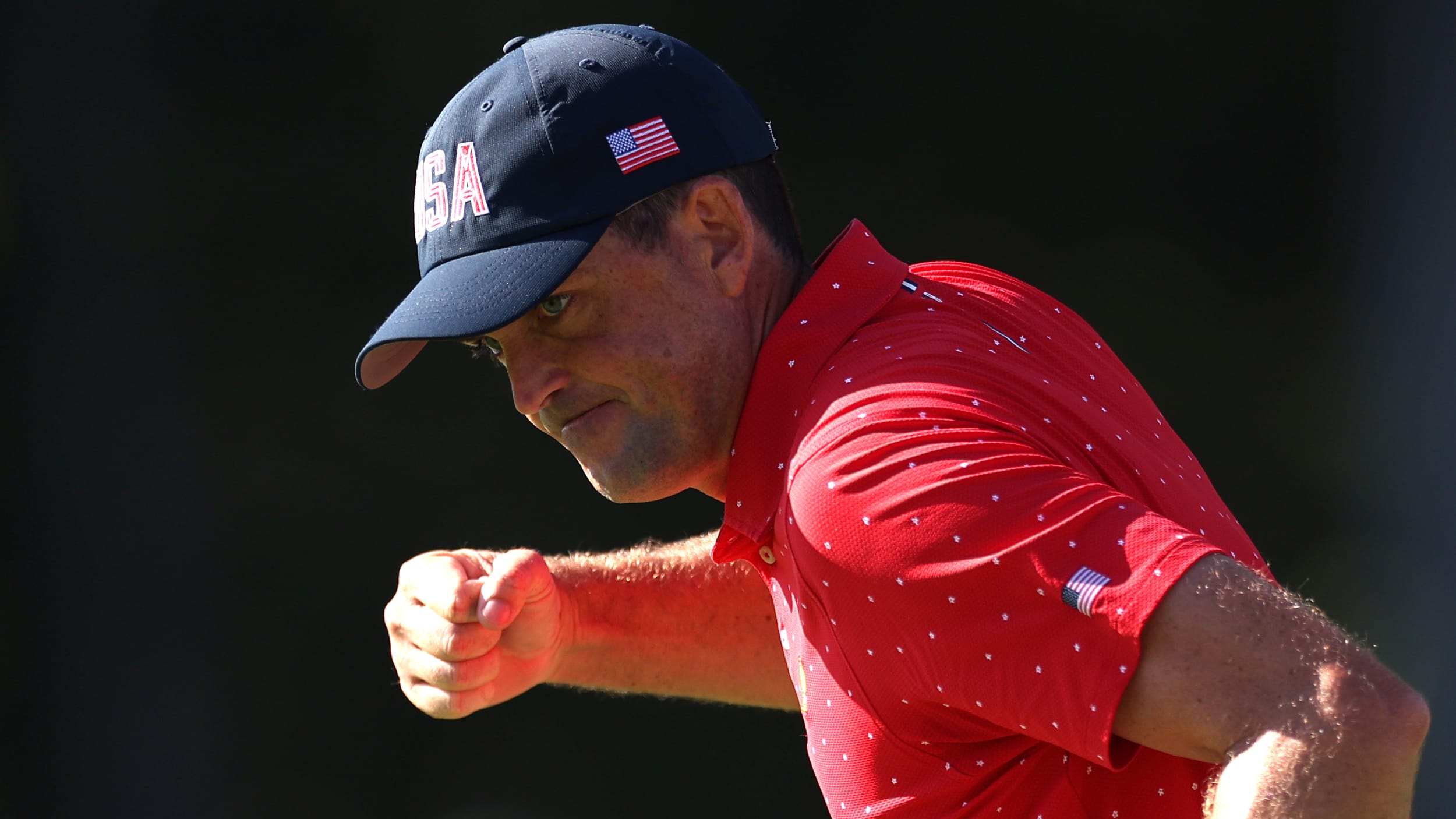

Keegan Bradley: A Unique Chapter in Ryder Cup History
The Ryder Cup is a crucible of pressure and performance, and this year, all eyes are on Keegan Bradley as he steps into the role of Team USA captain. Appointed by the PGA of America, Bradley’s leadership will be scrutinized deeply at Bethpage Black, where he faces an unequivocal fate: he will either emerge as a Ryder Cup legend or be branded a notable failure. The stakes are high, and the scrutiny is palpable—not just from fans, but from a golf community eager to see how this unexpected choice unfolds.
A Bold but Controversial Choice
Keegan Bradley, at 39, is not just the youngest Ryder Cup captain since Arnold Palmer led the charge in 1963; he also carries the weight of numerous doubts around his appointment. Critics argue that opting for someone who could still qualify as a team player raises questions about the wisdom behind his leadership selection. The PGA’s decision to place him in this pivotal role has undoubtedly sparked considerable debate in the community, with many believing he is ill-prepared for such an undertaking.
The Leadership Experience Dilemma
Bradley’s inexperience as a leader is a significant factor fueling skepticism. Unlike many of his predecessors, who often had extensive backgrounds in captaincy or assistant roles, Bradley’s credentials are limited. The absence of seasoned leadership skills combined with the challenge of divisive opinions only adds to the complexity of his upcoming tenure. His most notable aide, Jim Furyk, has a storied Ryder Cup history; however, the rest of the vice-captain lineup, including Webb Simpson and Brandt Snedeker, is equally nascent in experience, creating a potential vacuum in guidance and strategy.
The Challenge of Home Advantage
The Ryder Cup often tilts in favor of the home team, and Bethpage Black is no exception. Historically, home grounds provide a significant mental and competitive edge; however, the pressure to capitalize on this advantage can be overwhelming. From the roaring crowd support to the unique pressure cooker that Bethpage presents, Bradley’s challenge isn’t merely about leading a team but also converting potential into victory.
A New Era of Team USA Leadership
With Bradley’s appointment, there’s a palpable sense that the PGA is initiating a generational shift in its leadership style. The upcoming Ryder Cup will be more than a battle for trophies; it’s a precursor to a new approach in team dynamics that potentially mirrors successful models employed by European counterparts. Failure at Bethpage Black could signify a deterrent to this budding transformation, putting immense pressure on Bradley to perform.
Navigating Doubt: The Player-Captain Sideshow
Adding another layer of complexity is the narrative surrounding Bradley’s decision to continue playing competitively while serving as captain. Initially viewed as a means to bolster team morale, this dual role has sparked controversy. Critics argue that the distractions of being in the thick of competition could detract from his primary responsibilities as captain. Opportunities to absorb the nuances of leadership at events like the Presidents Cup have been sacrificed, potentially hampering his strategic depth.
The Stakes: Hero or Villain?
As is the nature of the Ryder Cup, the outcome will primarily define Bradley’s legacy. There’s a history of captains transitioning from heroes to villains based solely on a few fateful strokes. Success for Bradley could mean immediate elevation, with discussions about a second term as captain circling by the end of the tournament. Conversely, failure could lead to a backlash fueled by doubts about his selection, leaving him to grapple with the burden of unmet expectations.
The Weight of Expectation
The genuine pressure Bradley faces goes beyond the competitive landscape; it’s interwoven with the historical significance of this Ryder Cup. Golf fans and pundits alike will not judge Bradley on a sliding scale. They expect results that reflect the talent and potential within his squad. If Team USA embraces failure at their historic home ground, Bradley’s leadership could quickly be painted in a negative light in golf discourse.
The Future of Ryder Cup Dynamics
In the midst of this pressure lies an exciting opportunity for change. If Bradley’s reign leads to success, it could usher in a new era for the Ryder Cup, demonstrating that fresh ideas and modern dynamics can coexist with time-honored traditions. The PGA’s potential pivot could reshape how future captains are selected and how they lead their teams in one of golf’s most prestigious events.
Conclusion: The Crossroad of Legacy
As Ryder Cup 2025 looms, Keegan Bradley stands at a crossroad, facing not only the complexities of leading a team but also the resonant echoes of golf history itself. His appointment, rife with uncertainties and expectations, has set the stage for either a compelling success story or a cautionary tale. The stakes are undeniably high, and the golf world watches intently as he prepares to write his name into the annals of Ryder Cup history at Bethpage Black. Whether he becomes a celebrated hero or a regrettable footnote will likely be determined in a few fateful days.
