

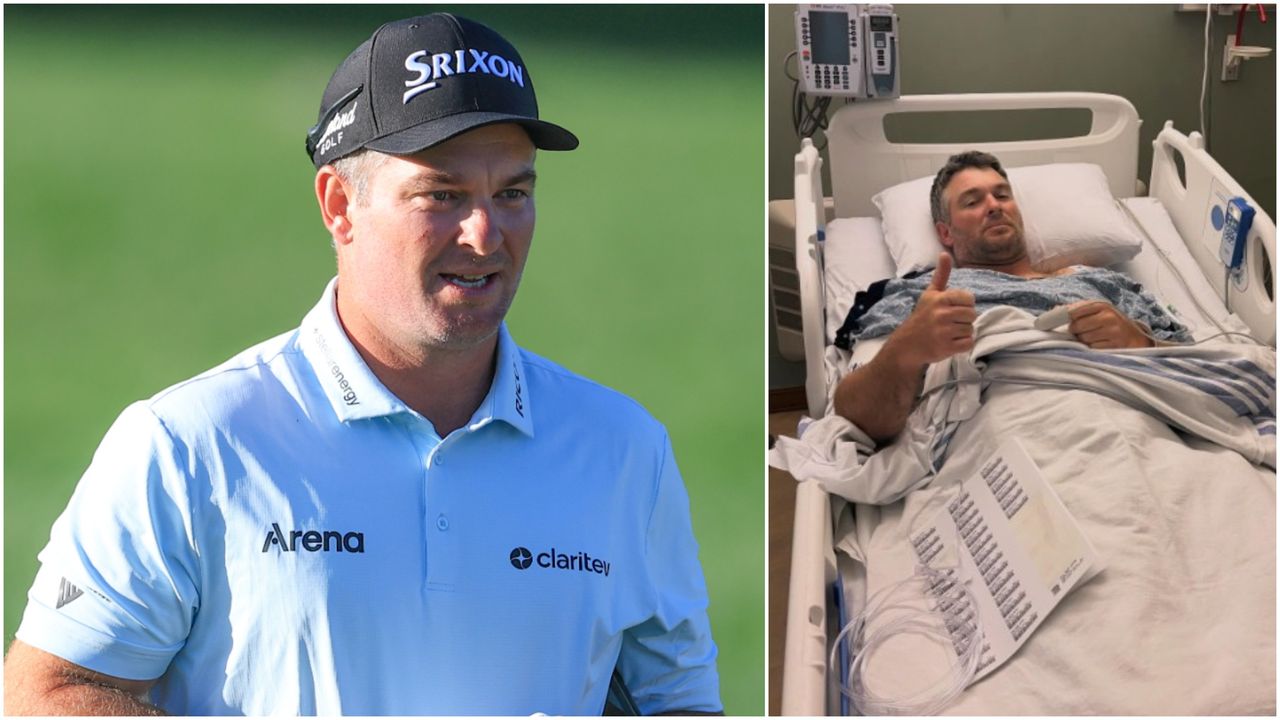

Ryan Fox’s Players Withdrawal Exposes a Bigger Problem With Tour Communication
Look, I’ve been around professional golf long enough to know that kidney stones are legitimately one of the worst things that can happen to a human being, let alone a professional athlete preparing for The Players Championship. Ryan Fox’s decision to withdraw wasn’t just understandable—it was the only decision. The guy needed surgery. End of story.
But here’s what’s been gnawing at me since Thursday morning: the timing of the announcement, and what it says about how the PGA Tour handles information flow in real time.
The Timeline That Doesn’t Quite Add Up
Fox himself laid it out in his Instagram post:
“Not exactly the week I had planned here @theplayers. Unfortunately some kidney stones took me down on Tuesday night and then had to be dealt with surgically this afternoon. Devastated to miss out on such an amazing event, hoping to have a quick recovery and be back at it soon.”
So we’re talking about a medical crisis that struck Tuesday evening, followed by emergency surgery Thursday afternoon—yet the official withdrawal didn’t come until Thursday morning, just hours before his tee time. That’s a two-day gap between knowing something catastrophic had happened and informing the tour, the field, the media, and most importantly, the reserve players waiting on pins and needles for their shot.
David Ford, the first alternate, got his spot. But think about reserve player number two, number three, and beyond. They’re sitting in the clubhouse on Thursday morning, refreshing their phones, hoping for a call. Every minute matters when you’re trying to get prepared for TPC Sawgrass. I caddied for Tom Lehman for years, and I can tell you that having 30 minutes’ notice versus three hours’ notice to prepare mentally and physically for a round at Sawgrass is the difference between showing up confident and showing up frazzled.
This Isn’t Really About Fox—It’s About the System
In my 35 years covering this tour, I’ve learned that individual players aren’t usually the problem. Ryan Fox is a professional, a guy battling a genuine medical emergency. He handled it with grace and humor. What I’m questioning is the institutional response.
The article notes this wasn’t an isolated incident:
“He was the second withdrawal on Thursday as Collin Morikawa tweaked his back after playing just one hole at Sawgrass and had to pull out.”
Morikawa’s withdrawal after one hole caused legitimate uproar among fantasy sports players and bettors. That’s understandable frustration. But here’s the thing—Morikawa’s issue was acute and unforeseeable during competition. Fox’s situation was different. The medical condition was known, the decision was made, and yet the tour’s communication strategy remained opaque until the absolute last minute.
What strikes me about this is that The Players Championship isn’t some mid-tier event. This is the flagship tournament of the PGA Tour, the one we all call the “fifth major.” The infrastructure should support better communication protocols. When a player knows they won’t be able to compete—especially when they know it 30+ hours in advance—there should be a clearer process for notifying stakeholders sooner rather than later.
The Fantasy Sports and Betting Angle
I’ll be honest: I’m not a betting guy, and I’ve never participated in fantasy golf leagues. But I respect the people who do, and I recognize they’ve become a significant part of professional golf’s audience in the last decade. These fans have real money on the line, and they deserve transparency. When a World No. 44 player like Fox isn’t going to tee off, that information matters.
The article captures the legitimate frustration:
“Bettors and fantasy sports backers were dismayed with Morikawa’s withdrawal after just a hole, and some are now wondering why Fox was only officially withdrawn hours before his tee time when such a serious health issue was known on Tuesday.”
Again, this isn’t Fox’s fault. But the tour has an obligation to think about the ecosystem around the game. Better communication would’ve prevented speculation and frustration.
What the Tour Can Learn (Without Being Heavy-Handed)
I don’t think we need massive regulatory overhauls here. What I’d suggest is simpler: when a player withdraws due to a medical condition diagnosed more than a few hours before tee time, the tour should have a standard protocol for notifying alternates as soon as that player and the tour’s medical staff have confirmed withdrawal. It’s reasonable. It’s fair. It doesn’t compromise anyone’s privacy or wellbeing.
In my experience, the best-run organizations—whether it’s the tour, a golf club, or a broadcast network—are the ones that communicate more, not less. Transparency builds trust. Silence breeds speculation.
Ryan Fox will be fine. He had emergency surgery and he’s already thinking about his comeback. That’s the resilience you see in professional golfers. But the tour should think about how it handles these situations moving forward. Because the next time a player faces a medical crisis right before a major event, there’s an opportunity to do right by everyone involved—the player, the field, the alternates, and the fans.
That’s not asking much. It’s just asking for a little more light and a little less opacity.
