


As golf architecture aficionados, we spend countless hours dissecting routing, analyzing green complexes, and debating the merits of subtle design choices. But beyond the blueprint and the strategic imperative, there’s a captivating layer to a golf course: its individual holes. And for some, the names bestowed upon them are as evocative and telling as the design itself. I’ve walked fairways around the globe, from the windswept links of Scotland to the desert oases of Arizona, and I can tell you that a well-named hole doesn’t just sound good; it often telegraphs the architect’s intent and the challenges that lie in wait.
My recent travels brought me face-to-face with a collection of such holes, each name a miniature narrative of the terrain, the strategy, or even the history etched into the land. Let’s delve into a few that truly capture the spirit of their moniker.
The Art of Naming: From Strategy to Sentiment
The best hole names aren’t arbitrary; they’re deeply interwoven with the design. They hint at the dilemmas players will face, the architectural nuances, or even significant moments in the course’s storied past. As the source article aptly puts it:
“Such an alias may foreshadow the challenges ahead. It sometimes reflects specific architectural elements. It could serve as a tip of the cap to historical events that transpired there. And it might even tap into the visceral responses golfers are certain to have while they play the hole.”
This sentiment resonates deeply with my own experiences. It’s the difference between a simply numbered hole and one that whispers stories to you even before you step onto the tee box.
The Gambler at King’s North: A Dye-Inspired Dilemma
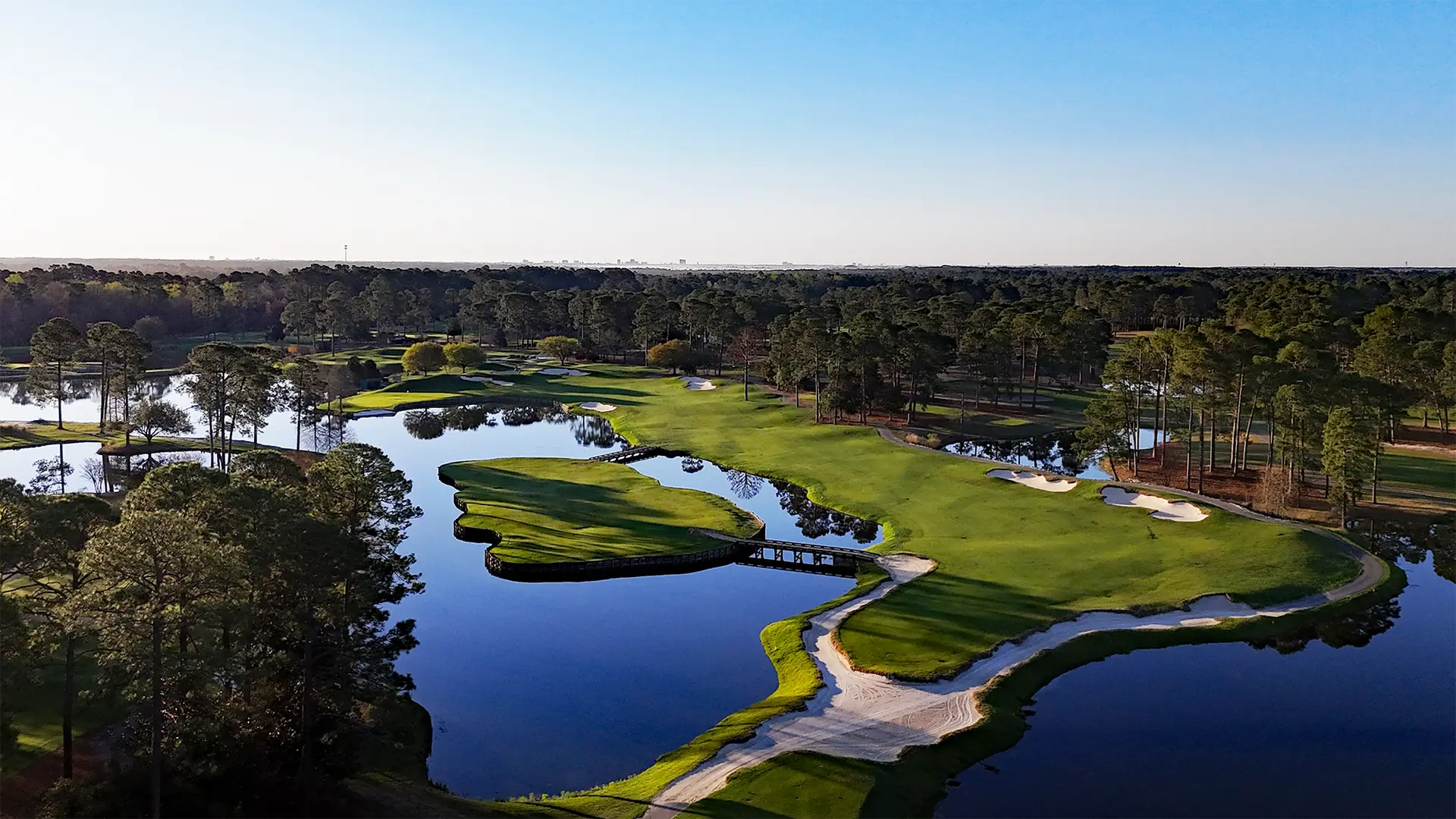
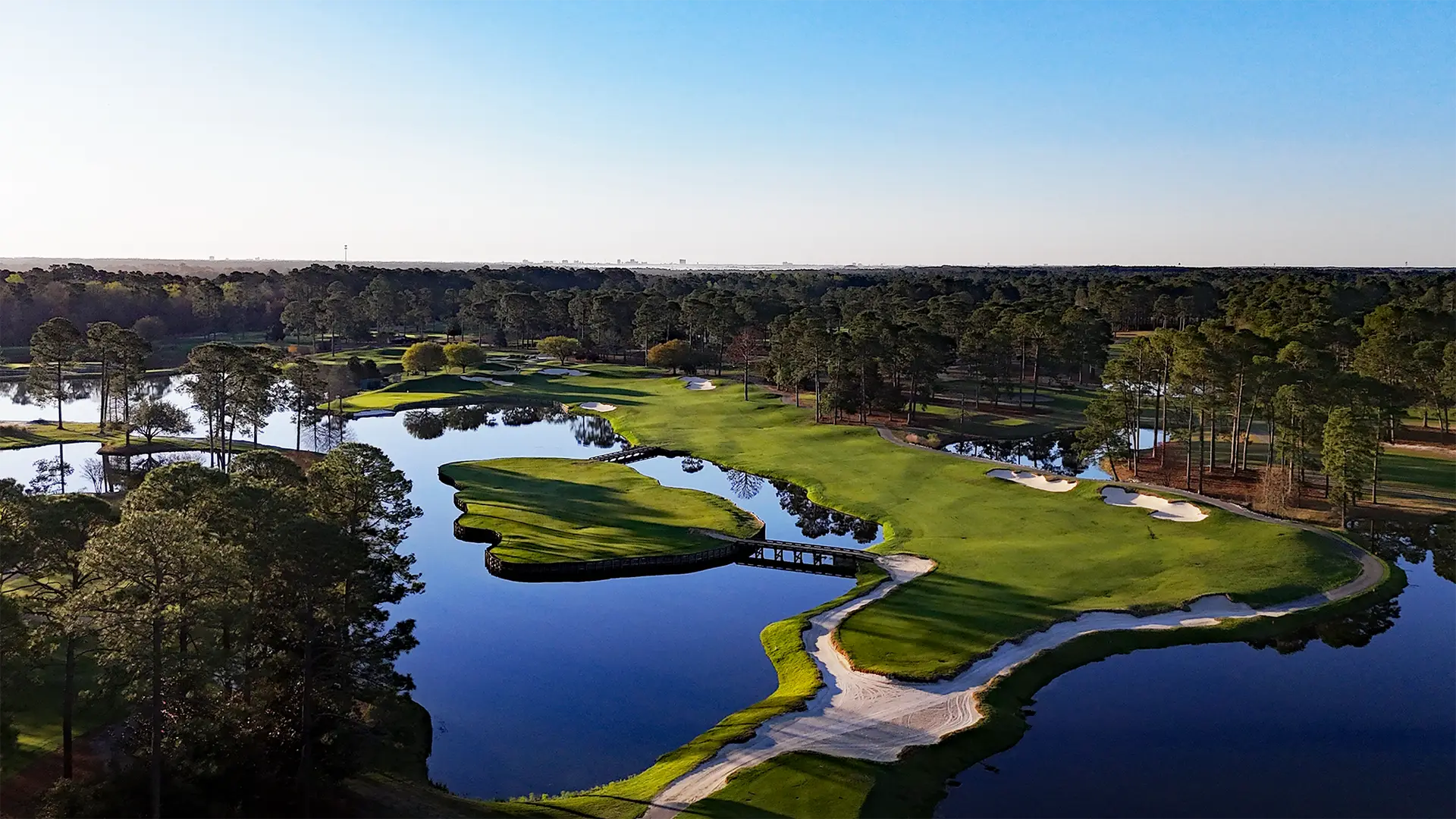
Myrtle Beach is a golf mecca, and among its many gems, the King’s North course at Myrtle Beach National shines, largely thanks to its memorable holes. The 6th hole, a par-five known as “The Gambler,” is a brilliant piece of strategic design. It immediately calls to mind the risk-reward ethos often found in Pete Dye’s work. From the tee, a wide, inviting fairway stretches out to the right. But for those with a competitive spirit, their eyes inevitably drift left to a daring, island-like fairway, offering a significant shortcut to the green.
“Those who live dangerous and take aim at that island fairway might have only 150 or 160 yards into the green, but such a tee shot comes with plenty of risk—hence, this hole’s name: The Gambler.”
It’s a classic example of how a bold design choice creates instant drama and a fitting name. Playing this hole, I found myself weighing the odds, picturing the perfect, daring drive vs. the watery grave. It’s a truly engaging experience that elevates a simple par-five into a strategic puzzle.
Stairway to Heaven at Apogee: A Modern Marvel
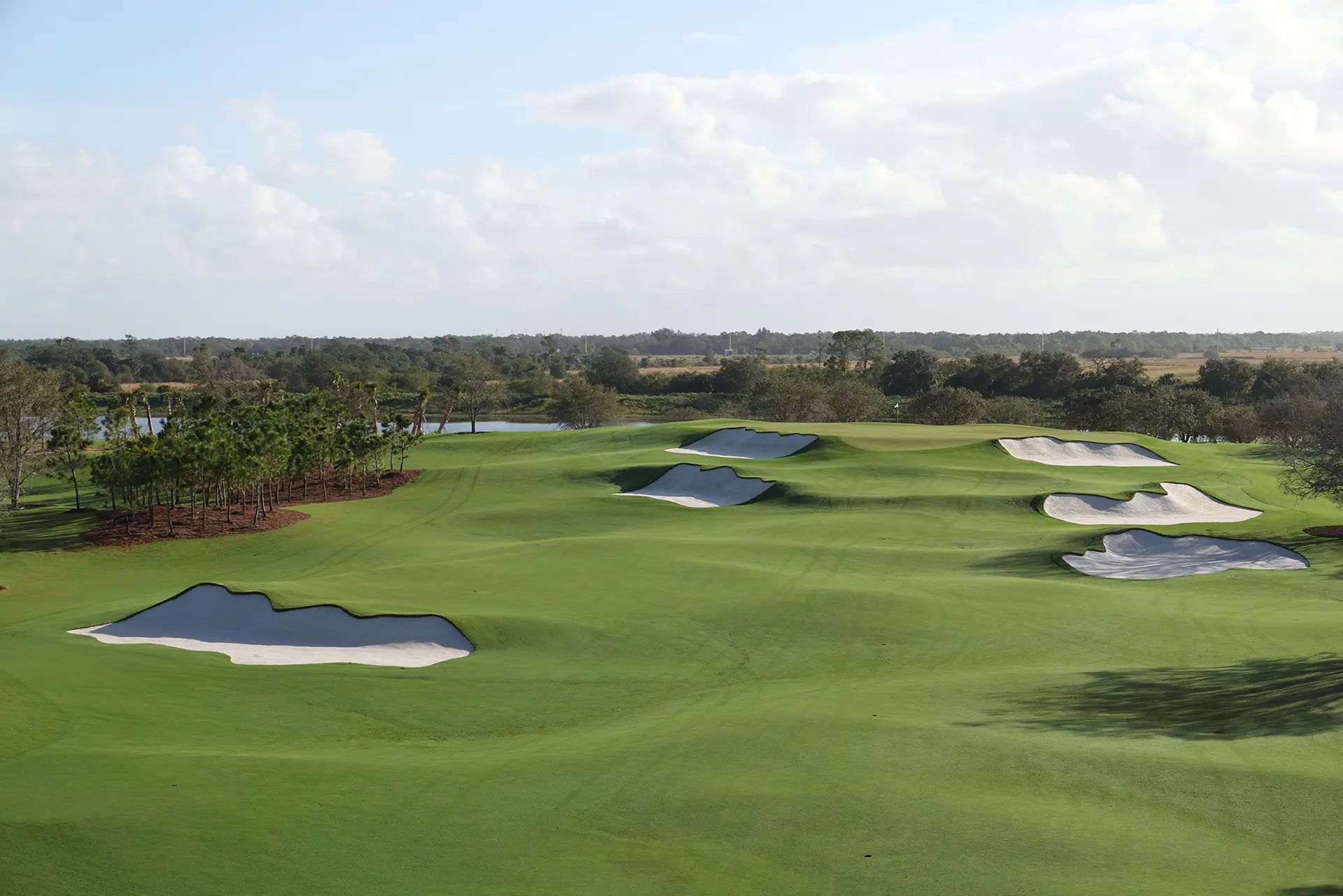
Florida isn’t typically known for dramatic elevation changes, but the Apex course at Apogee, designed by Tom Fazio II and Mike Davis, is a striking exception. Witnessing the scale of earth moving required – six million cubic yards of dirt transforming flat land into rolling dunes and bluffs – is truly impressive. This landscape sets the stage for the 13th hole, aptly called “Stairway to Heaven.”
This is a relatively short par-four, potentially drivable for the long hitters, but it plays significantly uphill. What truly defines it are the distinct ledges that rise, almost like terraces, creating a staircase effect leading directly to the putting surface. The name isn’t just poetic; it’s a literal description of the topography.
The beauty of this design is that the ledges, while creating elevation, also offer surprisingly flat lies, setting up many players for a short, crisp wedge into a green that feels like it’s perched atop the world. The reward for a well-placed drive is a genuine birdie opportunity, a little slice of golfing bliss, reinforcing the celestial moniker.
Calamity Corner at Royal Portrush: A Links Legend
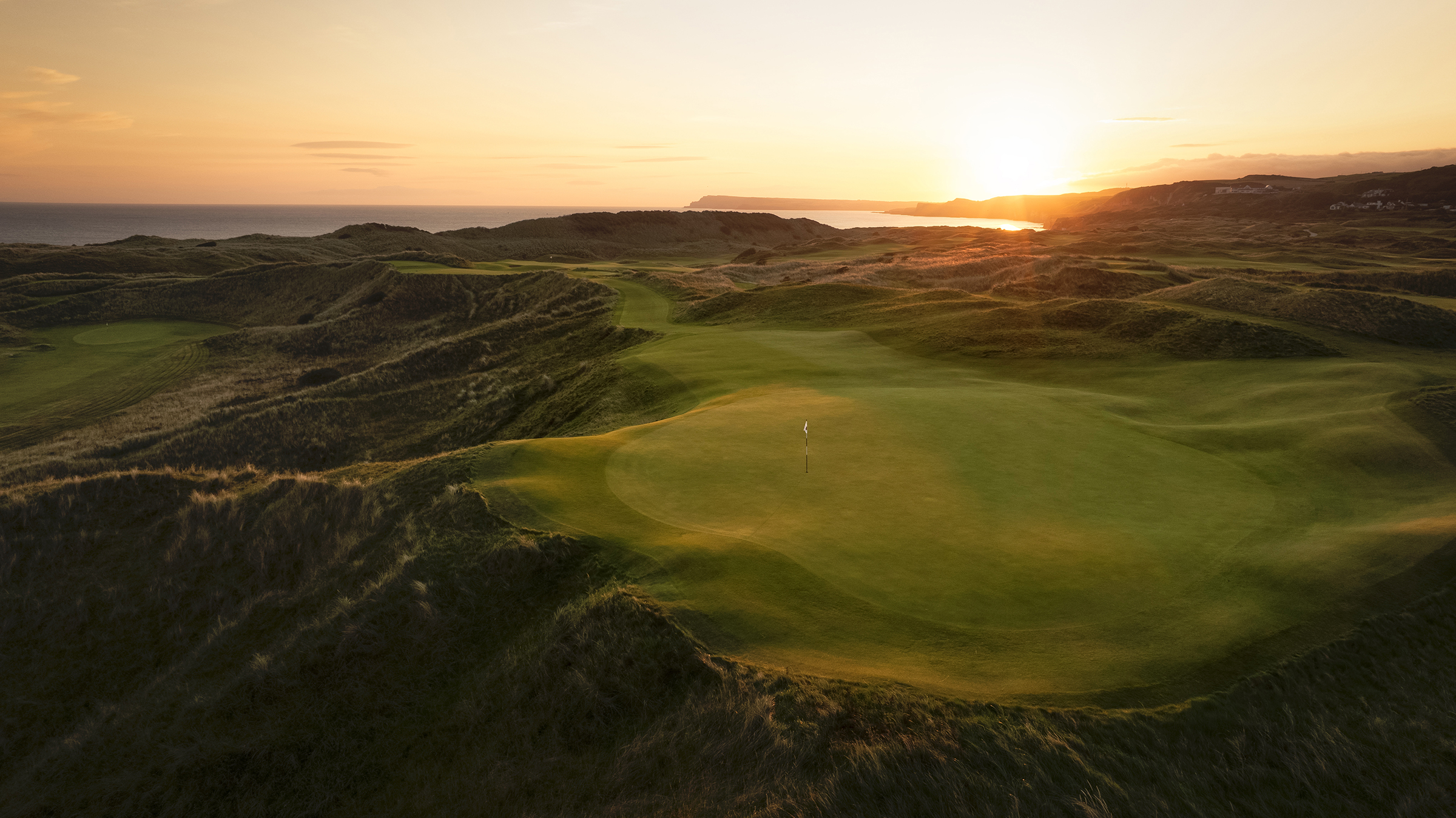
Crossing the Irish Sea to Royal Portrush’s Dunluce course brings us to “Calamity Corner,” the 16th hole, a par-three that lives up to its formidable reputation. This is golf architecture at its most dramatic. Standing on the tee, the wind whipping off the Atlantic, you’re faced with a colossal 236-yard carry over a ravine that plunges more than 50 feet. It’s a vista that demands respect and a tee shot that requires conviction.
“Miss short and right, and there’s a good chance you’ll be lying at least three by the time your ball comes to rest on the putting surface… If you want to avoid a calamity on your scorecard, follow the yardage guide’s advice and ‘take plenty of club and hit for the back left of the green.'”
I can personally attest to the heart-thumping experience of staring down that chasm. The design, with its deep ravine guarding the green, is pure, unadulterated links golf. It’s not about subtlety here; it’s about courage and execution. Alister MacKenzie would surely have appreciated the psychological pressure built into such a hole. It’s a truly iconic par-three, where the name perfectly captures the potential for disaster and the thrill of triumph.
The Enduring Legacy of Named Holes
From the strategic daring of “The Gambler” in sunny Myrtle Beach to the innovative earthworks of “Stairway to Heaven” in Florida, and the fearsome beauty of “Calamity Corner” on the Irish coast, these holes offer far more than just a number on the scorecard. They embody the spirit of their courses, the vision of their architects, and the drama that keeps us coming back to this maddening, magnificent game. These aren’t just holes; they’re characters in the grand narrative of golf.
