


There are golf pilgrimages, and then there’s the Hagen 54. As a golf architecture enthusiast who has trod the hallowed grounds of over 200 courses worldwide, I’ve often found myself chasing the ghosts of legends. But few tales resonate with the sheer, unadulterated joy of golf quite like Walter Hagen’s impromptu 54-hole odyssey across England’s Kent coast.
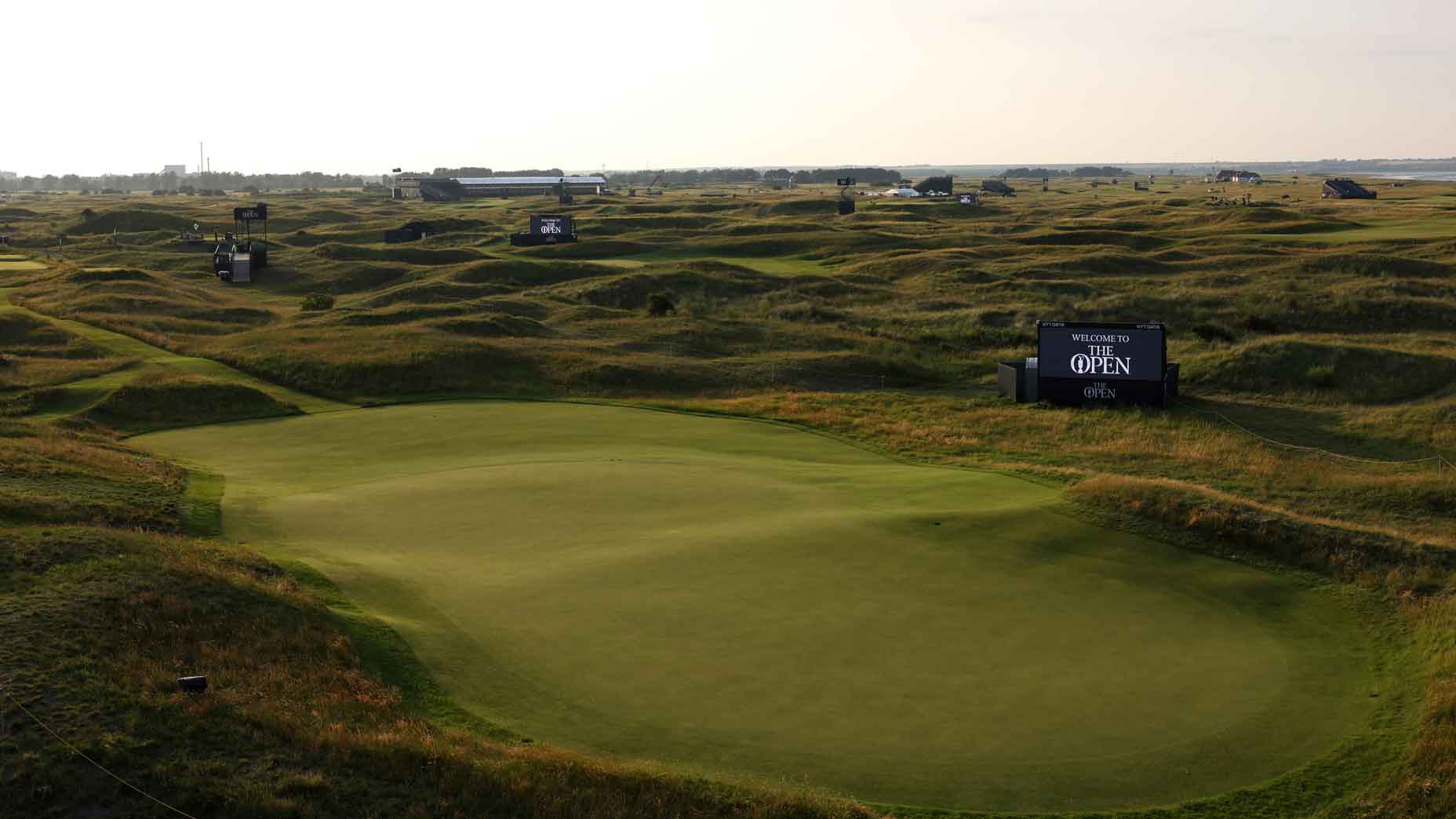
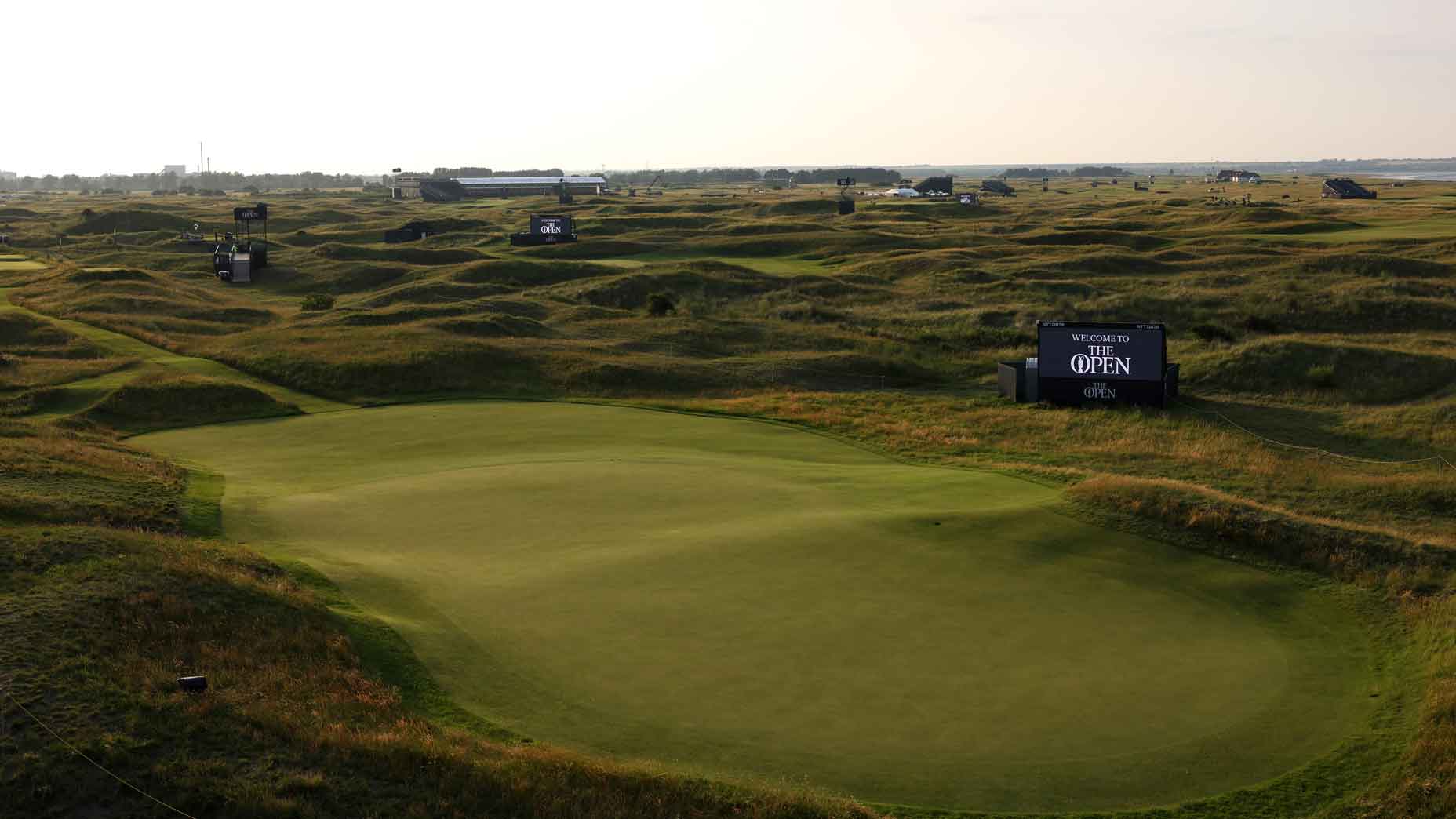
The Kent links are a world unto themselves. The air, thick with the scent of salt and fescue, carries the whispers of centuries of golf played over dunes sculpted by wind and tide. To walk these fairways is to step back in time, to a purer form of the game where strategy isn’t imposed by heavy machinery but discovered within the land itself.
Chasing the Ghost of Hagen on the Kent Coast
Imagine, if you will, a blustery afternoon in 1920. The Open Championship had just concluded, and Walter Hagen, the game’s original showman, along with fellow pro Jim Barnes, felt a familiar itch. One round wasn’t enough. Not for Hagen. His philosophy was clear:
“He chased titles, bagging quite a few, including 11 majors, but he also chased experiences, often blurring the line between the two.”
That afternoon, they embarked on a rambling, fence-hopping odyssey across three storied links: Royal Cinque Ports, Royal St. George’s, and Prince’s Golf Club. Fifty-four holes, one continuous push, a testament to both their love of the game and perhaps, a healthy dose of showmanship. It’s this spirit that the annual Hagen 54 aims to capture, and having heard tales of its allure, I can attest to its magnetic pull.
A Trio of Architectural Gems
Let’s talk about the courses themselves, because this isn’t just a marathon; it’s a deep dive into some of the finest examples of linksland golf. Each offers a distinct flavor of architectural brilliance.
Royal St. George’s: A Glimpse into the Past
Royal St. George’s, with its famously undulating fairways and blind shots, is a masterclass in natural golf design. You won’t find perfectly manicured, symmetrical holes here. Instead, the course embraces the quirky, the unexpected. The famed ‘Himalayas’ bunker on the 4th hole, an intimidating, towering sand trap, is a perfect example of a feature that would be engineered out of existence on a modern American course, but here, it’s celebrated. The greens at St. George’s are notoriously subtle, their contours often defying visual logic, demanding a deft touch and keen eye. Alister MacKenzie would have approved of the way the course forces you to think, to anticipate, to embrace the bounces. It’s a golf course that rewards creativity and punishes complacency.
Royal Cinque Ports: Ancient and Exposed
Further south, Royal Cinque Ports at Deal offers a more exposed, almost raw links experience. The wind here is often a formidable eleventh club, dictating strategy from the first tee. I’ve always admired how links courses, particularly those of this ancient vintage, integrate the elements so seamlessly into their challenge. The routing here feels incredibly organic, following the natural contours of the land rather than imposing a design upon it. The deep, revetted bunkers are a constant threat, their brickwork a stark reminder of the course’s defiance. It’s a true test of nerve and control, demanding crisp iron play and a robust spirit. The green complexes often feature pronounced run-offs, encouraging a variety of recovery shots. It’s a course that makes you feel connected to the game’s origins.
Prince’s Golf Club: A Modern Links Evolution
Prince’s, while perhaps the lesser-known of the trio, offers a fascinating architectural contrast. Originally designed by Charles Hutchings and Sir Guy Campbell, it suffered extensive damage during World War II and was meticulously restored and reimagined by Sir Guy Campbell and John Morrison. The result is a course that feels both traditional and subtly modern. Its 27 holes – Shore, Dunes, and Himalayas – offer a more open feel than its neighbors, with wider fairways that, for a moment, might lull you into a false sense of security. But the strategic bunkering and often-elevated greens quickly remind you that this is still a formidable links test. It’s a course that shows how a classic links can evolve while retaining its soul.
The Hagen 54: An Experience Unlike Any Other
The annual Hagen 54 event, which launched in 2025, seems to distill the very essence of Hagen’s spirit into an unforgettable day. It’s more than just golf; it’s an experience. Starting with a welcome reception and BBQ at Royal Cinque Ports on the evening of July 21st for those participating in the 2027 edition, the energy is palpable. The main event, a 5:40 AM shotgun start the following morning, speaks volumes about the challenge ahead.
“The core golf format remains unchanged since Hagen and Barnes blazed their exuberant trail — 54 holes in one continuous push across the three courses — but modern comforts have been added, with caddies, sustenance and camaraderie carrying players from one property to the next.”
While Hagen and Barnes relied on sheer grit, today’s participants benefit from organized caddies, on-course catering, and the kind of camaraderie that only shared hardship and triumph can forge. It’s a remarkable fusion of historical homage and modern convenience. The endurance test is real, but the rewards are immeasurable. Completing 54 holes across these three revered layouts is not just a physical feat; it’s a deep immersion into the game’s purest form.
“It’s golf on world-class venues, with on-course catering and someone to carry your bag if you’d like.”
For those interested in challenging themselves and experiencing a piece of golf history, the 2027 edition of the Hagen 54, scheduled for July 21-22, promises to be an epic journey. The entry fee is £1,125 per person or £4,500 for a foursome. It’s an investment, yes, but for the discerning golf traveler and architectural aficionado, the opportunity to walk in Hagen’s footsteps across these magnificent links is truly priceless. It’s a chance to connect with the very soul of the game, one windswept, fescue-lined fairway at a time.
