

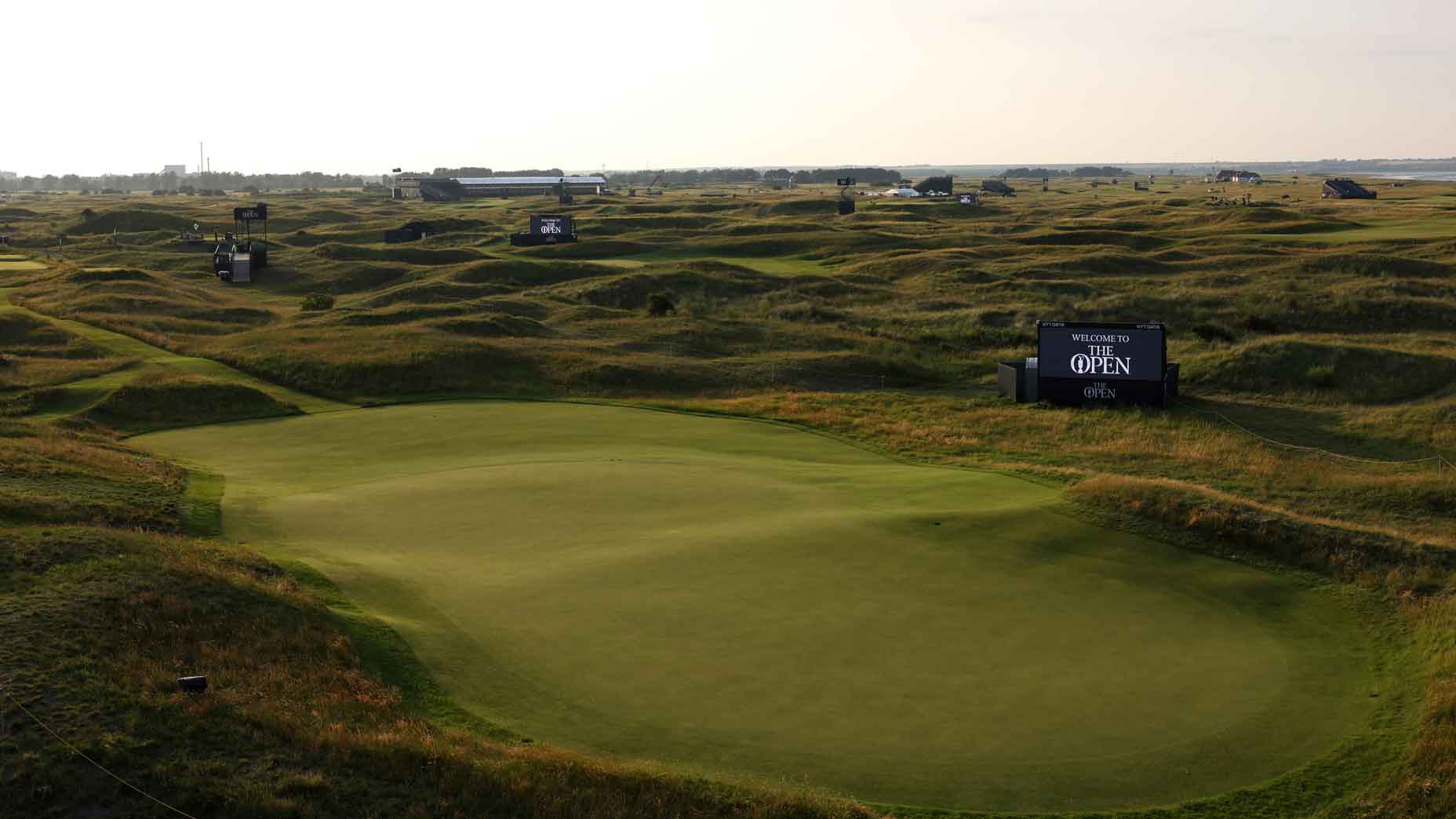

There’s a certain magic to links golf, a primal connection to the game’s origins that few other courses can replicate. And then there’s the Kent coast of England, a stretch of hallowed ground where the sea whispers tales of titans and legendary rounds. I’ve often found myself drawn to courses that challenge your intellect as much as your swing, venues carved by nature and refined by masters, and the trio of Royal Cinque Ports, Royal St. George’s, and Prince’s offers just that – a masterclass in strategic design and rugged beauty.
My mind immediately goes back to those crisp, wind-swept mornings, the scent of salt spray mingling with damp fescue. These aren’t manicured parkland tracks; they are living, breathing entities, shaped by aeons of coastal winds and the keen eyes of architectural giants. And it’s here, amidst these storied dunes, that one of golf’s most audacious adventures was born.
The tale of Walter Hagen and Jim Barnes, on a whim in 1920, deciding that one round simply wasn’t enough, resonates deeply with any golf enthusiast. It speaks to that insatiable drive, that pursuit of pure, unadulterated golf. The Hagen 54, as it’s now known, is more than just a multi-course trek; it’s an homage to a bygone era of golf, a challenge that marries historical significance with unparalleled architectural pedigree. To walk in their footsteps, across 54 holes in a day, is to truly understand the spirit of the game.
The Lay of the Links: A Study in Design Diversity
What makes this particular triumvirate so compelling, beyond its historical narrative, is the distinct character each course presents, offering a fascinating study in links golf architecture. Each course has its own architectural fingerprints, making a 54-hole odyssey a true test of adaptability and understanding different design philosophies.
Royal Cinque Ports, for example, is a classic out-and-back links, exposed to the full force of the Channel winds. Its undulations are subtle but impactful, demanding precision off the tee and a deft touch around the greens. The greens themselves are often understated, relying on the prevailing wind and natural contours for their defense, rather than overtly dramatic mounding. It’s a course that rewards thoughtful play and patience, a true test of strategy.
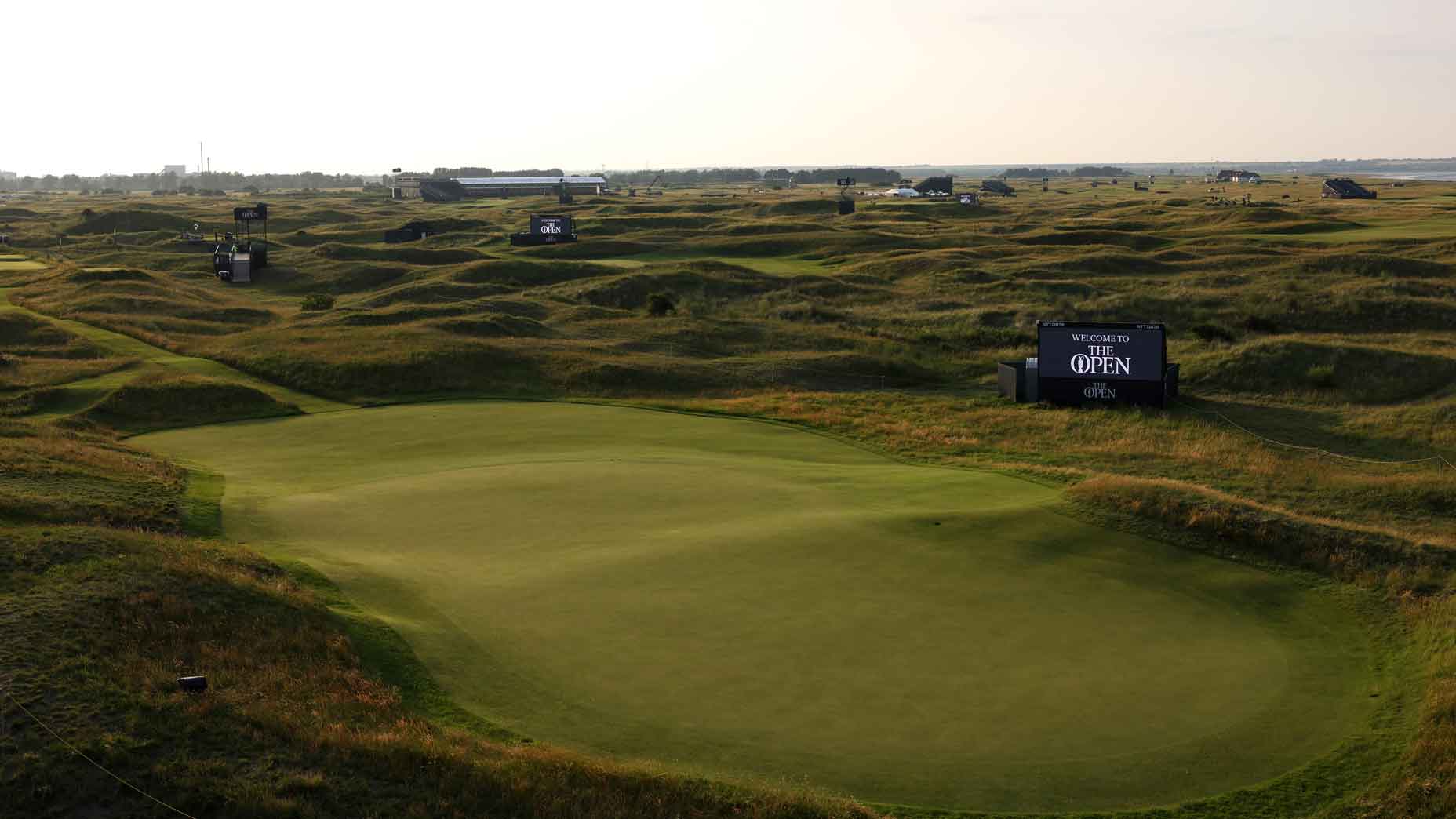
Then we arrive at Royal St. George’s. This is an Open Championship venue, a course I’ve always held in high regard for its quirky charm and relentless challenge. It’s an Alister MacKenzie-esque masterpiece in its use of natural landforms, creating a course that feels as if it was simply discovered rather than built. The humps, hollows, and blind shots are not gimmicks; they are integral to its strategic demands. The famous 4th hole, known as “The Sahara,” with its sprawling cross-bunkers, is a perfect example of how the land dictates play. The greens here are more complex than Cinque Ports, often featuring subtle internal contours and run-offs that demand mastery of the short game.
“One afternoon in 1920, having traveled to England’s Kent coast for the Open Championship, he and fellow pro Jim Barnes went all in on Hagen’s carpe diem ethos. They went out for a casual round, then decided that one round wasn’t enough.”
Finally, Prince’s Golf Club, while having undergone significant redesigns over the years, notably by MacKenzie & Fowler and then later by Martin Ebert, still retains a wonderful links character. It’s arguably the most forgiving of the three off the tee, but its green complexes and the ever-present wind provide a stout defense. Historically, it was where Gene Sarazen famously won the Open in 1932 with his newly invented sand wedge. Prince’s offers a slightly different rhythm, often acting as a fantastic companion to the more stern challenges of its neighbors.
The beauty of the “Hagen Route” lies in this architectural progression, a narrative told through turf, sand, and sea. You experience the subtle nuances of coastal golf, from the understated brilliance of Cinque Ports to the bold, idiosyncratic genius of St. George’s, concluding with the robust design of Prince’s.
The “Hagen 54”: A Modern Pilgrimage
While Hagen and Barnes blazed their trail without the comforts of today, the modern “Hagen 54” event has embraced their adventurous spirit while adding a touch of contemporary luxury. It’s a remarkable opportunity to immerse oneself in this unique golf landscape. I’ve always admired events that capture the essence of golf’s history, and this one certainly does.
“The core golf format remains unchanged since Hagen and Barnes blazed their exuberant trail — 54 holes in one continuous push across the three courses — but modern comforts have been added, with caddies, sustenance and camaraderie carrying players from one property to the next.”
Imagine the camaraderie, the shared exhaustion, and the pure joy of conquering these links. To take on 54 holes in a day is an endurance test, yes, but the promise of world-class venues, on-course catering, and the option of a caddy certainly sweetens the deal. It elevates the challenge from a gruelling marathon to a celebrated pilgrimage, a true bucket-list experience for any golf architecture aficionado.
Planning Your Kent Coast Golf Odyssey
For those looking to embark on this grand adventure, the “Hagen 54” event is gaining significant traction. Entries for 2026 are already sold out, underscoring its popularity and the allure of golfing on these historic links. However, for the truly dedicated, the 2027 edition offers a fresh opportunity.
“The 2027 event will take place July 21–22 on the Kent coast. Participants arrive on the evening of July 21 for a welcome reception and BBQ at Royal Cinque Ports, with optional golf that day at Prince’s or Royal Cinque Ports for those who want to warm up.”
The journey kicks off on the evening of July 21st with a welcome reception and BBQ at Royal Cinque Ports, providing a chance to acclimatize and connect with fellow adventurers. Optional golf at Prince’s or Royal Cinque Ports is available for those who want to fine-tune their links game. The main event, a 5:40 a.m. shotgun start, takes place on July 22nd, with players navigating the Hagen Route in fourballs. The associated cost is £1,125 per person, or £4,500 for a foursome. While a significant investment, it promises an unparalleled golf experience and a story to tell for a lifetime. For those who appreciate the artistry of course design and the rich tapestry of golf history, this is more than just a golf trip; it’s an expedition into the heart of the game.
The Kent coast is a destination that every serious golfer should experience. Whether tackling the Hagen 54 or simply enjoying a round or two on these masterpieces, the spirit of links golf, raw and authentic, is alive and well.
