


The Hainan Classic’s Asian Swing: Why This Tournament Matters More Than You Think
Marco Penge’s move to the PGA Tour at season’s end has left a vacancy at Mission Hills Resort Kaikou—and with it, an interesting question about the DP World Tour’s evolving role in professional golf. The Hainan Classic isn’t just another week on the calendar. It’s a window into how the European tour is positioning itself in an increasingly competitive global landscape.
Having covered 15 Masters and spent three decades watching tour dynamics shift, I’ve learned that prize money tells stories. And this one’s worth reading.
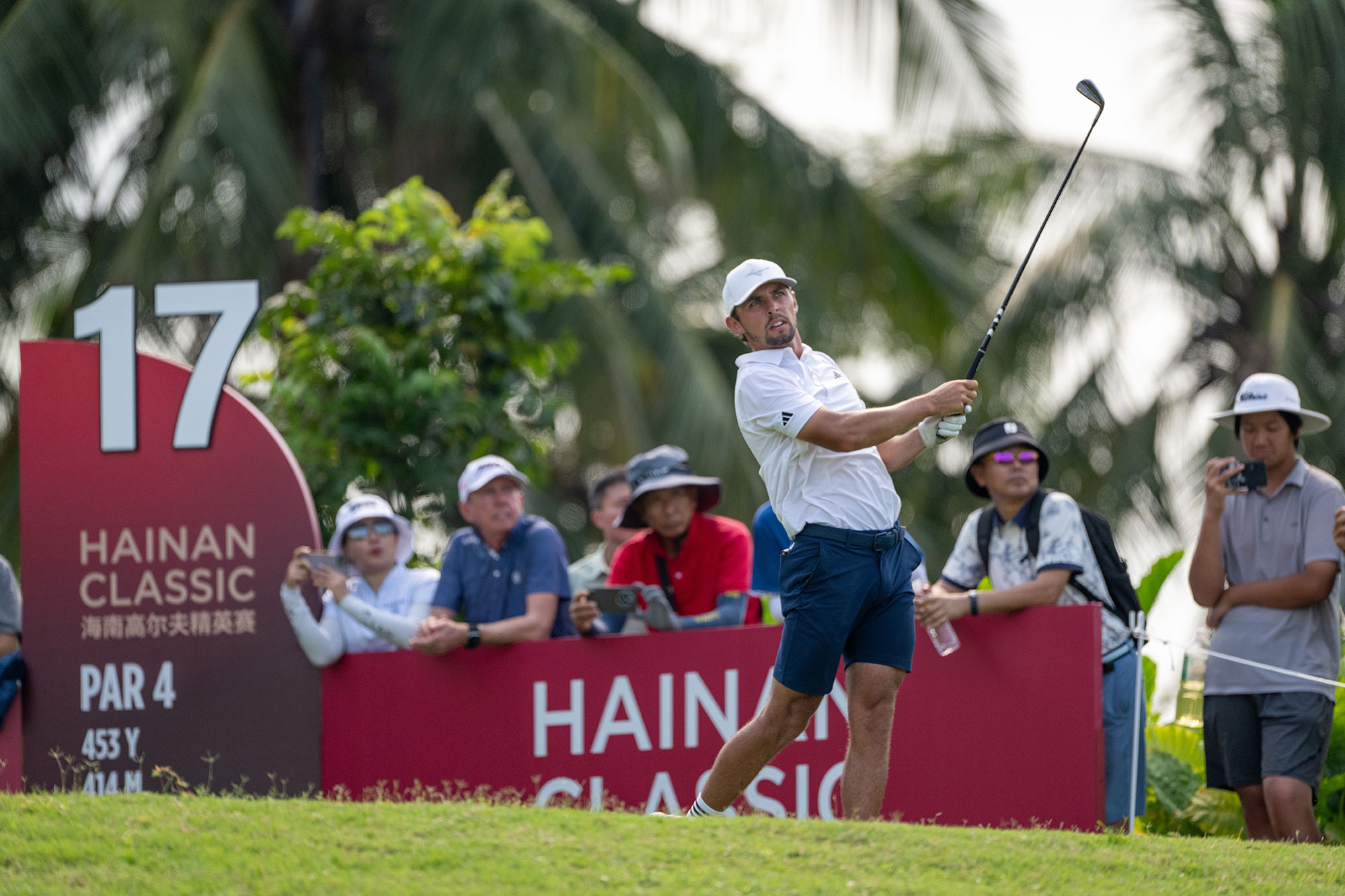
Following a break for The Players Championship on the PGA Tour, the DP World Tour has returned to action this week with the Hainan Classic at Mission Hills Resort Haikou. Marco Penge won this tournament last year for the first of three season victories, but a new champion will be crowned in 2026 with the Englishman having crossed over to the US circuit at the end of last term.
Let me be direct: that’s a significant loss for the DP World Tour. Penge wasn’t just a tournament winner—he was a proven performer who delivered three times in a single season. When you lose that caliber of talent to the PGA Tour, it reflects a larger gravitational pull that European golf simply can’t ignore right now. But here’s what I find encouraging—the tour isn’t retreating. Instead, they’re doubling down on strategic positioning.
Prize Money Keeps the Engine Running
The Hainan Classic is maintaining its financial footing with $2.55 million in total prize money—exactly what was offered last year. In my experience, consistency in prize fund signals organizational confidence. Tour officials aren’t slashing payouts during a transition; they’re holding the line.
“Whoever succeeds Penge as the winner in Hainan will pick up the same prize money as last year’s inaugural running, with an identical total of $2.55 million on the line.”
Here’s the practical math for those tracking the economics: the winner takes home $433,500 before various factors reduce how much pros really earn. That’s meaningful money, but let me put it in context. In my caddie days with Tom Lehman back in the ’90s, a quarter-million was life-changing. Now? It’s still significant, but it’s also a reality check on where European tour events sit in the global pecking order.
What strikes me is the tournament’s infrastructure thinking. The fact that “anyone who finishes the week inside the top five has a chance of earning a six-figure sum” creates a compelling narrative for mid-field players. That’s not accidental. That’s thoughtful tournament design aimed at attracting quality fields.
The Real Value: Race to Dubai Points and Beyond
But prize money is only part of the equation—and that’s where casual observers often miss the bigger picture.
The tournament distributes 3,500 Race to Dubai points, and more importantly, victory “sets the player up in terms of the Asian Swing standings where a $200,000 bonus is waiting for its champion.” That $200,000 bonus pool adds another layer of competition that extends far beyond a single week in Hainan.
In my three decades covering the tour, I’ve watched how these interconnected incentive structures shape player behavior. The Asian Swing bonus isn’t just a nice prize—it’s a gravitational force that keeps talented players committed to the DP World Tour schedule rather than chasing every PGA Tour event. That matters operationally and economically.
Hainan Classic Prize Money Breakdown
| Position | Prize Money |
|---|---|
| 1st | $433,500 |
| 2nd | $280,500 |
| 3rd | $160,650 |
| 4th | $127,500 |
| 5th | $108,120 |
| 6th-10th | $89,250 – $51,000 |
| 11th-20th | $46,920 – $30,600 |
| Cut line (70 players) | $5,000+ |
The cut-line structure is particularly telling. Making the cut guarantees “each pro in excess of $5,000.” That’s a safety net that attracts depth to the field. You’re not going to get your airfare covered on a missed cut, but you’re not going home empty-handed either. Tournament organizers understand player psychology—and they’re using it.
What This Means for Professional Golf’s Future
Here’s my takeaway after decades in this business: the Hainan Classic represents the DP World Tour’s strategic answer to PGA Tour consolidation. Rather than compete head-to-head in traditional strongholds, the European tour is leveraging geography and regional economics. Asia offers growth potential. The prize money is sustainable. The bonus structures create multi-week narratives that keep players invested.
Is it a perfect solution? No. The migration of talent like Marco Penge to the PGA Tour will continue. That’s the market at work. But what the tour is building here—stable prize funds, innovative bonus structures, and clear pathways to meaningful earnings—suggests a organization that’s adapting rather than declining.
In my experience, that’s how you survive in professional golf. You acknowledge the competitive landscape, you double down on what makes you distinct, and you create genuine opportunities for players to build careers. The Hainan Classic does exactly that.
The new champion will crown themselves this week. But the real winner might be the DP World Tour itself—proving it still knows how to compete in an increasingly fragmented professional golf landscape.
