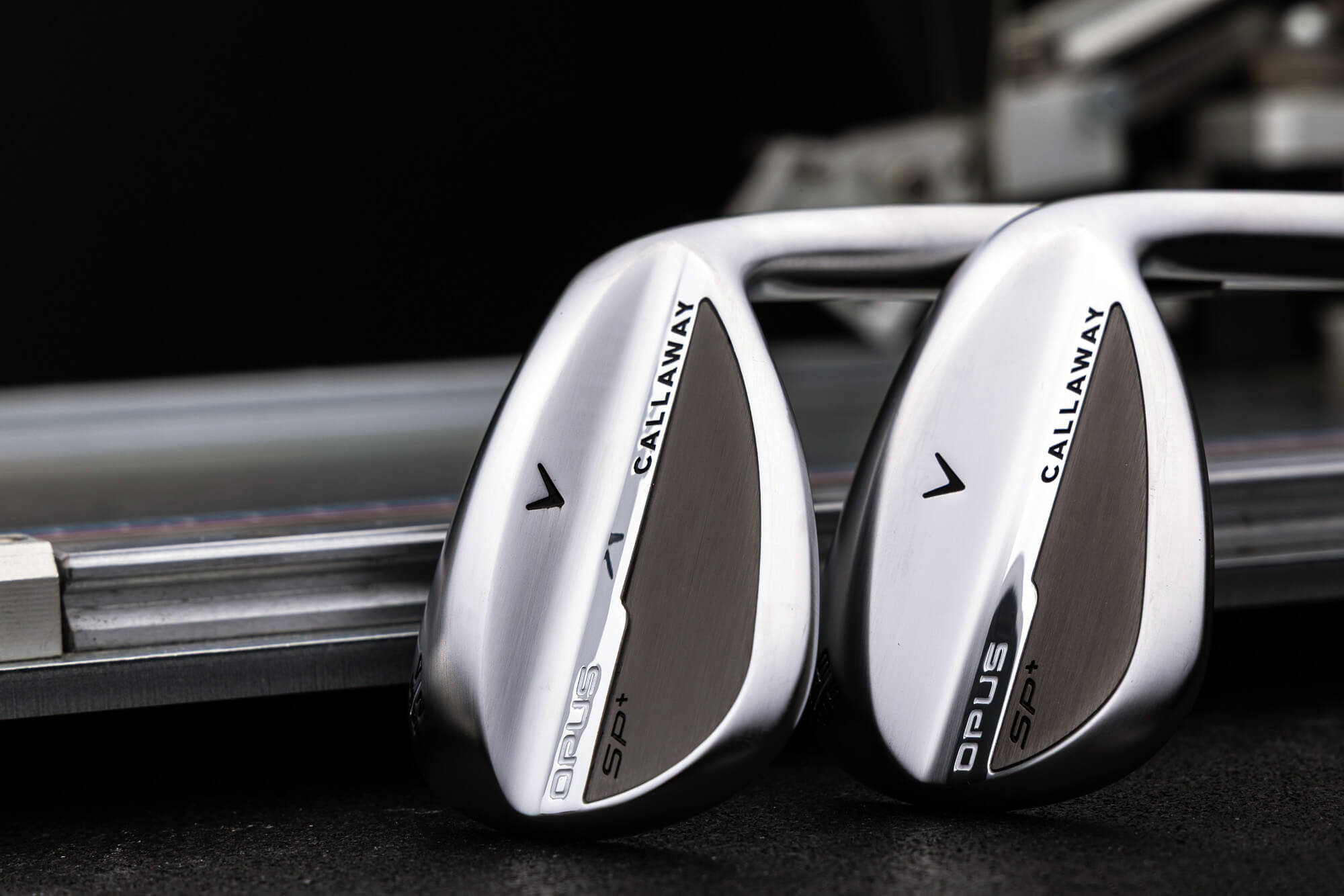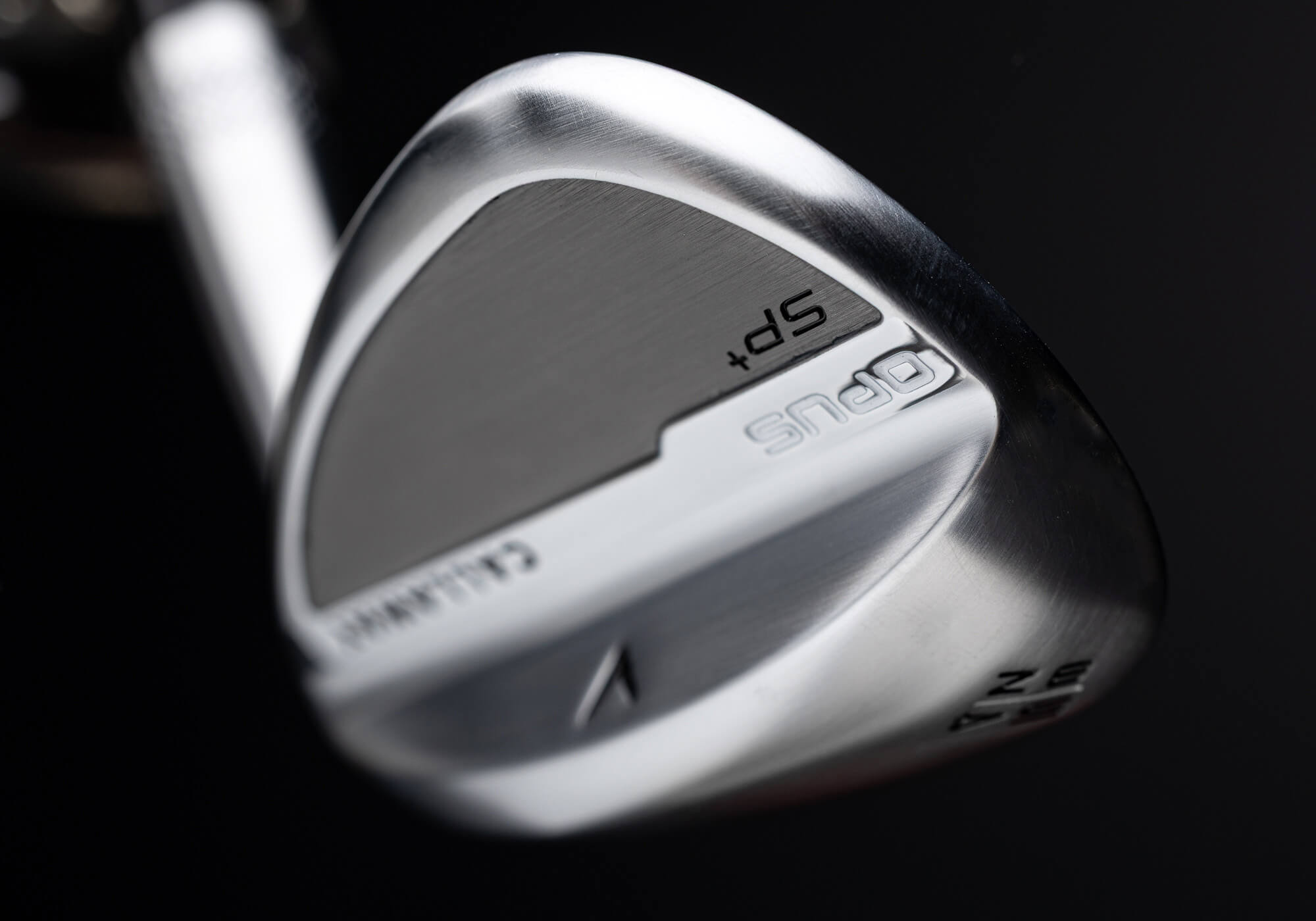

Callaway is out with their new Opus SP+ wedges, and the marketing message is clear: lower launch, more spin, tighter control. As an equipment editor who’s spent countless hours dissecting golf clubs on launch monitors and fitting hundreds of players, my ears immediately perk up when I hear these claims. Let’s cut through the noise and see if the Opus SP+ truly delivers on its promise of precision.
The core concept behind the Opus SP+ revolves around high CG (Center of Gravity). Callaway isn’t shy about it, stating,
“By raising the center of gravity and concentrating more mass high in the head, Callaway’s latest scoring clubs are designed to produce a flatter, more penetrating flight with added spin.”
This isn’t new science; higher CG in wedges has long been understood to reduce dynamic loft at impact, leading to a lower launch angle. The trick, however, is achieving this without compromising feel or turf interaction.
Callaway addresses this by employing a three-piece construction: an 8620 cast body, a Metal Injection Molding (MIM) face, and a “significant chunk of tungsten” placed high in the head. The article notes a 25 percent larger spin pocket cavity compared to the standard Opus SP, allowing for more discretionary weight to be shifted upwards. Furthermore, the SP+ reportedly offers 23 percent more tungsten than its predecessor, the Opus Platinum. More tungsten, higher in the head, equals a higher CG. Simple physics.
From a data perspective, a higher CG in a wedge is almost universally beneficial for shot control. When I put various wedge designs on the Foresight GCQuad or TrackMan, we consistently see that a more forward and higher CG leads to lower launch angles and often, a more stable spin axis, which translates to less “knuckling” or ballooning, even with slight mishits. The aim here is to bring the launch angle closer to the ideal formula: (Loft of your club ÷ 2) – 2. For a 56-degree wedge, that’s around 26 degrees. Anything significantly higher, and you’re sacrificing control for perceived height.
The use of a MIM face, while not a full MIM head like COBRA utilizes, is an interesting choice.
“MIM uses finely powdered metal injected into a mold, then heated and fused into a dense, precise component. In this case, Callaway uses MIM for the face only. The benefit isn’t marketing fluff. It’s consistency.”
I agree. Consistency, especially in groove geometry and surface texture, is paramount for spin reliability. In my fitting bay, I’ve seen countless times how even microscopic variations in groove edge radius can alter spin rates by hundreds of RPMs, especially from less-than-perfect lies. MIM promises tight tolerances, which should translate to more predictable spin rates shot after shot, critical when you’re trying to land a wedge near a tucked pin.
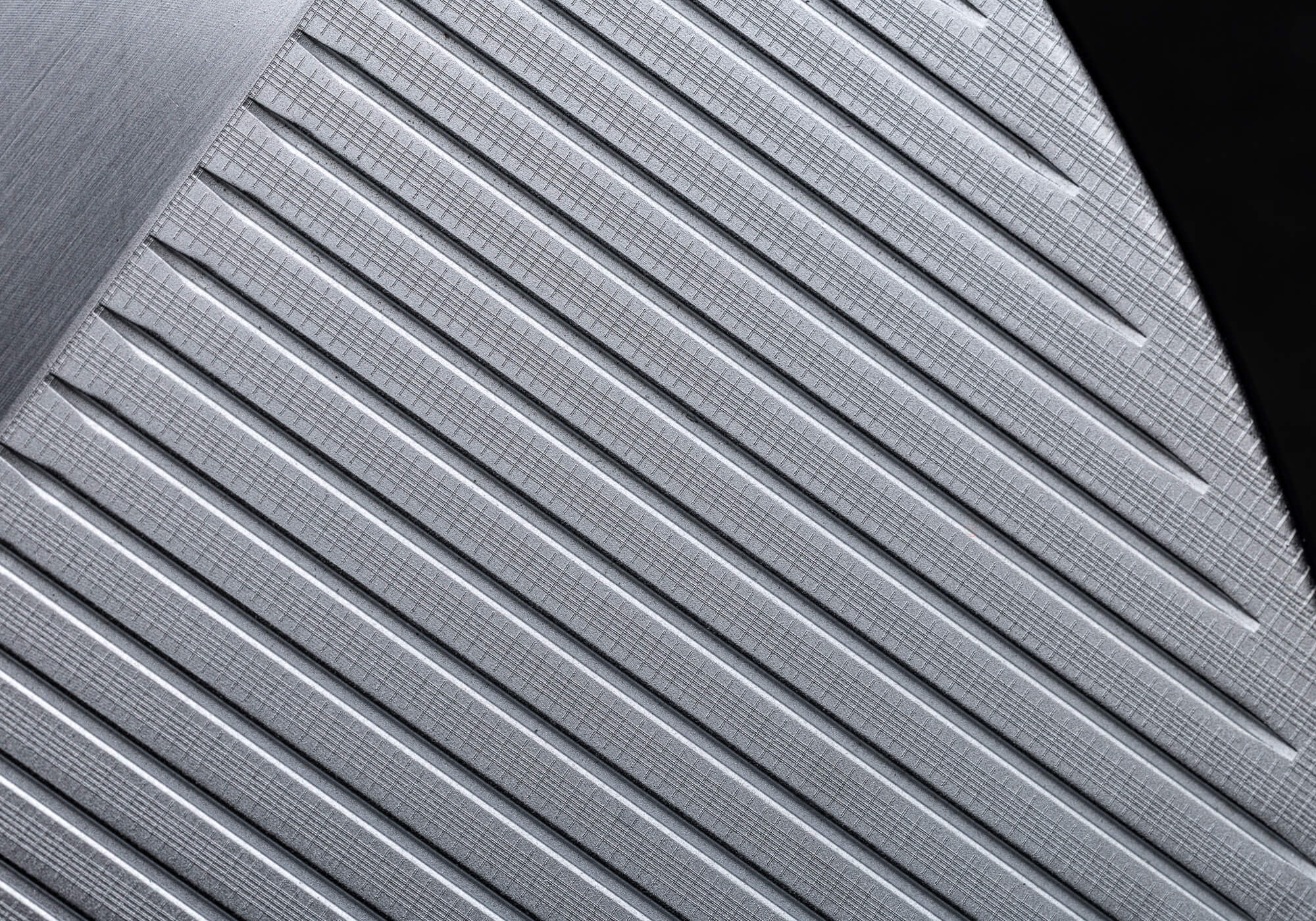
Callaway’s “Spin Gen 2.0” with its new 17-degree groove angle and tighter pitch spacing is designed to maximize contact, particularly from the rough. This is genuinely important. All the spin in the world on a perfectly clean face means little if your 50-yard pitch from a flyer lie rockets over the green. Data from our rough lie testing consistently shows that groove design and surface roughness are key differentiators in maintaining spin rates when grass and moisture get between the ball and clubface.
Shape, while subjective, has a tangible impact on address perception and, ultimately, confidence. The “Shape 6” design, validated by Tour players, suggests a more refined aesthetic, which can only be a good thing. I’ve often seen players dismiss perfectly good performing wedges just because they didn’t like the look at address. It’s a subtle but powerful factor in equipment selection.
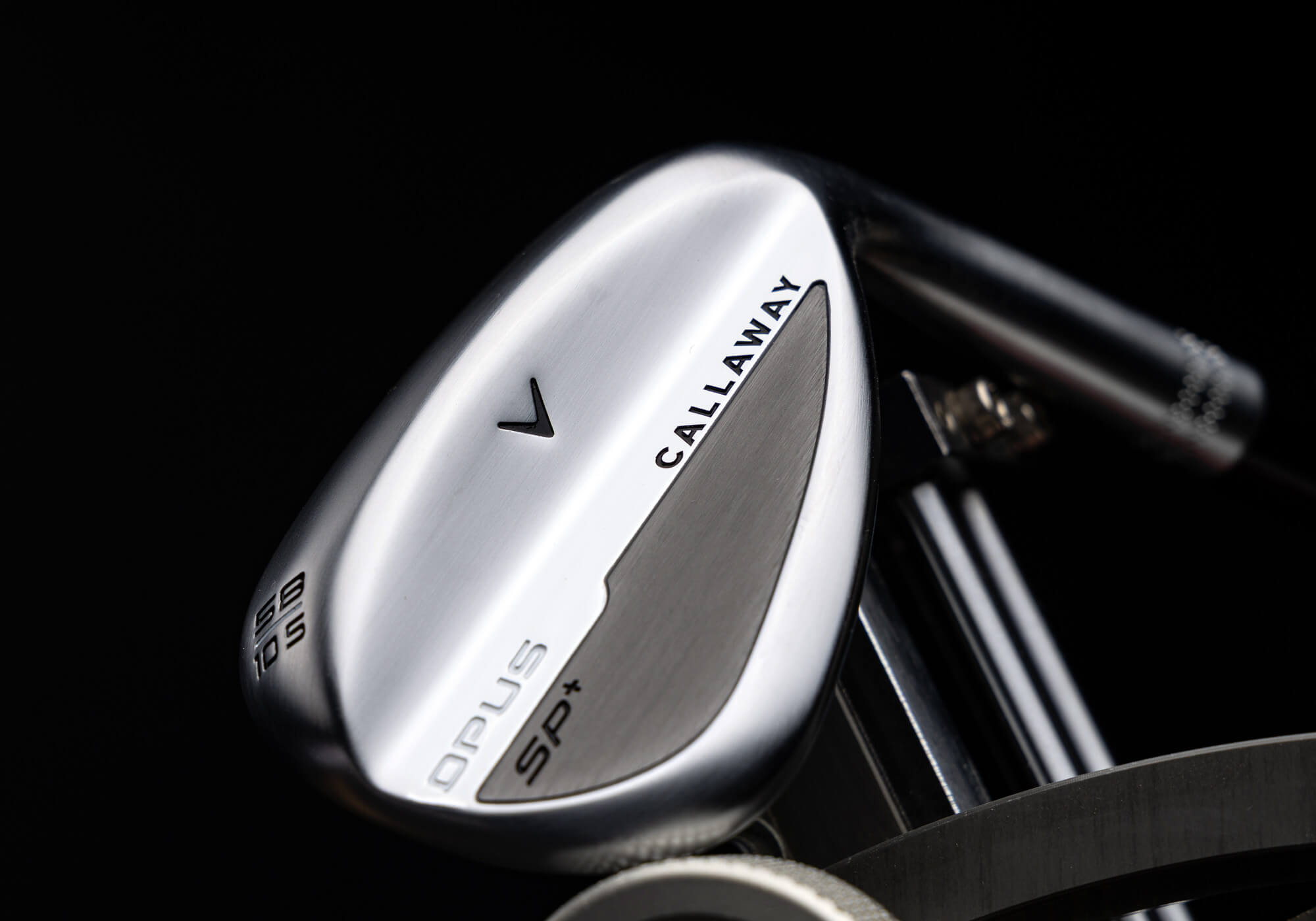
The grind options (Z, X, and S) are sensible, focusing on the higher lofts (54-60 degrees) where grind versatility matters most. The Z grind, with 8 degrees of bounce and heel/toe relief, is aimed at versatility, suitable for firmer conditions or players who like to open the face. The X grind, Callaway’s highest bounce at 12 degrees, caters to steeper swings and softer turf, while still offering some relief. The S grind (10 degrees bounce) is the safe, middle-of-the-road option. My fitting experience tells me that while the average amateur often undershoots their needed bounce, having options that cover different attack angles and course conditions is crucial for optimal turf interaction.
One subtle detail, the bump in swing weight to D5 in higher lofts, is a thoughtful addition. This can aid in feel and control, especially on shorter, finesse shots where head awareness is key. It’s the kind of subtle adjustment that many golfers might not consciously notice but contributes to a more cohesive feel throughout the bag.
So, does the Opus SP+ deliver? Based on the technical details and common golf physics, the design choices – higher CG, MIM face, specific groove geometry – all point towards Callaway achieving their stated goals of lower launch, higher spin, and tighter control. This isn’t just marketing fluff; it’s sound engineering.
Who is this for? The Callaway Opus SP+ is for any golfer, from the low handicapper to the enthusiastic mid-handicapper, who struggles with inconsistent wedge trajectories or wants more reliable stopping power. If your current wedges tend to balloon, or if you launch your 56-degree at 30+ degrees, then the SP+ is absolutely worth investigating. The focus on precision and a more Tour-like flight window can genuinely help lower scores by providing more predictable distances and spin. At $229.99, it’s a premium price point, but if you’re looking for measurable performance benefits in your scoring clubs, this technology has the potential to deliver.