


Building Your Dream Home Golf Simulator: A Comprehensive Guide
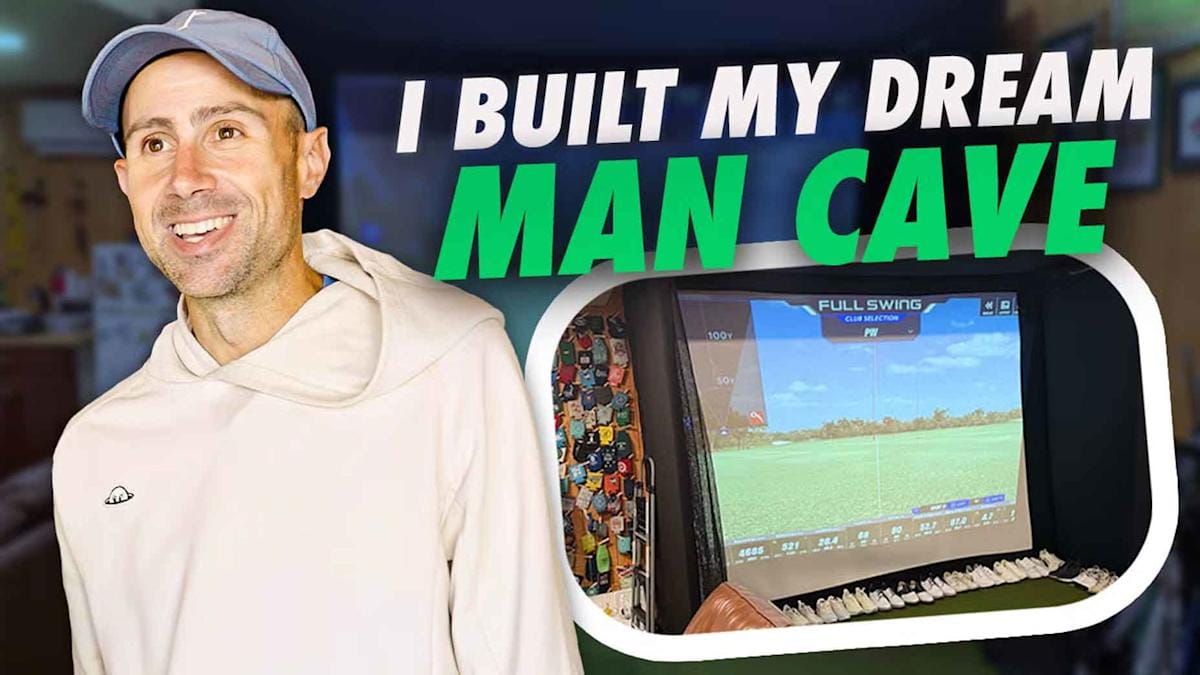
Creating the ultimate home golf simulator experience is a project many golf enthusiasts dream about. As a passionate golfer, I undertook the challenge of transforming my 20′ x 20′ garage into a state-of-the-art golf simulation space using the Full Swing KIT Studio. Now, I’m here to share my journey, step-by-step, so you too can bring your golfing dreams to life.
The Inspiration Behind the Build
After purchasing my home two years ago, the sight of my detached garage ignited a vision for a personal golf sanctuary. I envisioned a stimulating environment where I could practice year-round, regardless of the weather outside. The decision to invest in a Full Swing KIT Studio was the linchpin of this project, and if you’re ready to elevate your game from home, now is an excellent time with discounts running until December 1st.
For example, using the code CYBERPC, you can grab the KIT Studio with a PC for $2,500 off. Alternatively, use CYBER25 for $1,000 off without a PC package.
Laying the Groundwork: Step 1 – Electrical Setup
Before diving into cosmetic renovations, the first essential step was to ensure my garage had adequate power. With my dad’s help, we dug a four-foot deep trench to lay electrical conduit safely. As someone inexperienced in electrical work, I emphasize the importance of hiring a certified electrician for the wiring itself. You can handle the initial groundwork, but when it comes to connecting power throughout your space, leave it to a professional.
Tip: Make sure to install power outlets in various locations to maximize convenience later on.
Choosing the Right Simulator: Step 2 – The Full Swing Choice
Having had the opportunity to collaborate with the Full Swing Simulator team, my decision to choose the Full Swing KIT was straightforward. It stood out among competitors at events like the PGA Show, thanks to its performance and user-friendly interface.
Investing in an appropriate simulator tailored to your budget can significantly enhance your practice sessions; the Full Swing KIT’s functionality is suited for all skill levels.
Tip: Explore various launch monitors and simulator packages to find the perfect fit for your needs.
Support Matters: Step 3 – Working with Full Swing
From the moment I reached out to Full Swing, their dedication to customer support was evident. The team provided crucial insights on maximizing my garage space with their KIT Studio, ensuring my experience was seamless and rewarding.
Tip: Make your simulator design the focal point of your space and build around it for functionality and flow.
Exterior Renovations: Step 4 – Revamping the Garage
The fun part of the project began with renovating the garage exterior. The original wood siding was severely worn, and the garage doors were in disrepair.
I replaced the siding with vinyl to match my home and opted for French doors to bring in natural light while providing an attractive entrance. It’s a design choice that adds to both aesthetics and functionality.
Tip: For tight spaces, consider outward-swinging doors to save valuable interior space.
Optimizing Space: Step 5 – Ceiling Height Adjustments
The original garage height was a limiting factor; at 7.5 feet, it impeded full swings. To enhance the space, I opted to remove twelve feet of overhead storage, increasing vertical clearance for an unobstructed golfing experience.
Additionally, a pull-down staircase helped maximize storage efficiency.
Tip: Always consult a contractor before making adjustments to load-bearing structures for safety.
Stylish and Sturdy Walls: Step 6 – Choosing Paneling
Initially, I dreamed of barnwood paneling but soon realized it was beyond my budget. A serendipitous find at Lowe’s led me to T1-11 paneling, a durable and cost-effective choice. This paneling presents an excellent balance of aesthetics and strength, crucial for a simulator setup.
A blend of particle board and vibrant paint gave my ceiling an appealing look, completing the design.
Tip: Utilize leftover materials for experiments with stain and paint before committing to final colors.
Climate Control: Step 7 – Heating and Cooling Solutions
Living in the Northeast, I required an efficient heating system to keep my simulator area comfortable. The MrCool Mini-Split was an affordable and effective option I found. Planning for seasonal changes with the right heating solution is critical for regular use.
Tip: Choose a system slightly over BTU requirements for efficiency.
Choosing the Right Flooring: Step 8 – Functional and Attractive Surfaces
Starting with a clean cement slab provided a great foundation. To protect against moisture, I installed a vapor barrier before adding flooring.
After considering various options, I settled on GrassTex "MoneyPutt" turf, which gives my space a sophisticated look while functioning as a putting green.
Tip: If you’re budget-conscious, consider installing flooring yourself—it can be straightforward.
Sustainable Choices: Step 9 – Repurposing Old Items
Through the renovation, I discovered a wealth of usable items. Cabinets from my kitchen upgrade were repurposed for garage storage, saving me a considerable amount.
Utilizing platforms like Facebook Marketplace is an excellent way to find discounted furniture that suits your style.
Tip: Always look for quality second-hand items before purchasing new.
The Final Touch: Step 10 – Installing the Simulator
When the Full Swing KIT Studio arrived, it was neatly packaged, making assembly a breeze. With help from family, we completed the setup in about 90 minutes, reminiscent of an intricate Lego project.
Following Full Swing’s clear instructions made the process straightforward, enhancing the overall experience.
Tip: Keep refreshments handy for helpers during the assembly process—it makes for a fun completion celebration.
Personal Touches: Step 11 – Decor and Theme
Imagining my man cave as a blend of a dive bar and a gallery, I decorated with personal mementos and artwork that resonate with my golfing journey. Authentic decor that speaks to you will transform your space into a true retreat.
Tip: Don’t hesitate to showcase what you love; it will always make the space feel more like home.
Saying Yes to DIY: Step 12 – Embrace the Journey
Joining online communities, such as "DIY Man Caves," provided me with creative inspiration and invaluable advice. Interacting with fellow enthusiasts demystified the process, making it enjoyable and engaging.
Tip: Leverage community support and share your experiences!
Exploring Simulator Features: Step 13 – Full Swing Benefits
The Full Swing KIT offers an array of data points that track performance. While I’m not overly technical, essential metrics allowed me to practice effectively. The library of prestigious courses available through Full Swing adds excitement to every session.
Tip: Utilize the data to inform your practice without becoming overwhelmed by numbers.
Be Informed: Step 14 – Research is Key
Throughout the process, I educated myself by conversing with experts. Discovering different perspectives paved the way for better decision-making, ensuring I was confident with every aspect of my build.
Tip: Take your time to research and consult before finalizing any major installs.
Keeping the Spirit Alive: Step 15 – Enjoy Your Space
In the spirit of creativity and fun, take a cue from Toby Keith’s song "Don’t Let the Old Man In." Building your dream space should always bring joy and keep your passions alive.
Tip: Embrace the feeling of youthful excitement while crafting your perfect haven.
With this detailed guide, you’re equipped to embark on your journey to create a magnificent home golf simulator. Taking the time to plan and execute each phase will lead to a reward far beyond the investment—a space where your love for the game can thrive. For any questions or feedback, feel free to reach out at Tim.Reilly@golf.com. Happy building!
