


As a golf course architecture enthusiast who’s had the distinct privilege of playing over 200 courses across the globe, I’ve developed an enduring appreciation for golf courses that manage to distill their very essence into the name of a single hole. We all know the iconic multi-hole stretches – Amen Corner, The Bear Trap – places where legends are forged and dreams often crumble. But there’s a special magic in a perfectly named individual hole, one that immediately conjures an image, a challenge, or a whispered piece of history. These names aren’t just labels; they’re narrative hooks, drawing you deeper into the course’s soul.
My recent journey through some of golf’s most aptly named holes revealed a spectrum of architectural brilliance and historical resonance. From the sandy wastes of the Midwest to the rugged coastal edges of Northern Ireland, these holes don’t just demand a good shot; they tell a story before you even tee up.
The Allure of the Apt Alias: A Design Philosophy
The best hole names, to my mind, are more than clever marketing. They reflect the architect’s intent, the natural topography, or a defining moment in the course’s history. You see a name like “The Gambler” and you instantly understand the proposition offered by the architect. It’s a psychological play as much as it is a physical one. These names serve as an architectural roadmap, a preview of the strategic choices that lie ahead. They can highlight unique features, pay homage to a legend, or even capture the raw emotional response a golfer experiences.
“Such an alias may foreshadow the challenges ahead. It sometimes reflects specific architectural elements. It could serve as a tip of the cap to historical events that transpired there. And it might even tap into the visceral responses golfers are certain to have while they play the hole.”
North America’s Notable Naming Conventions
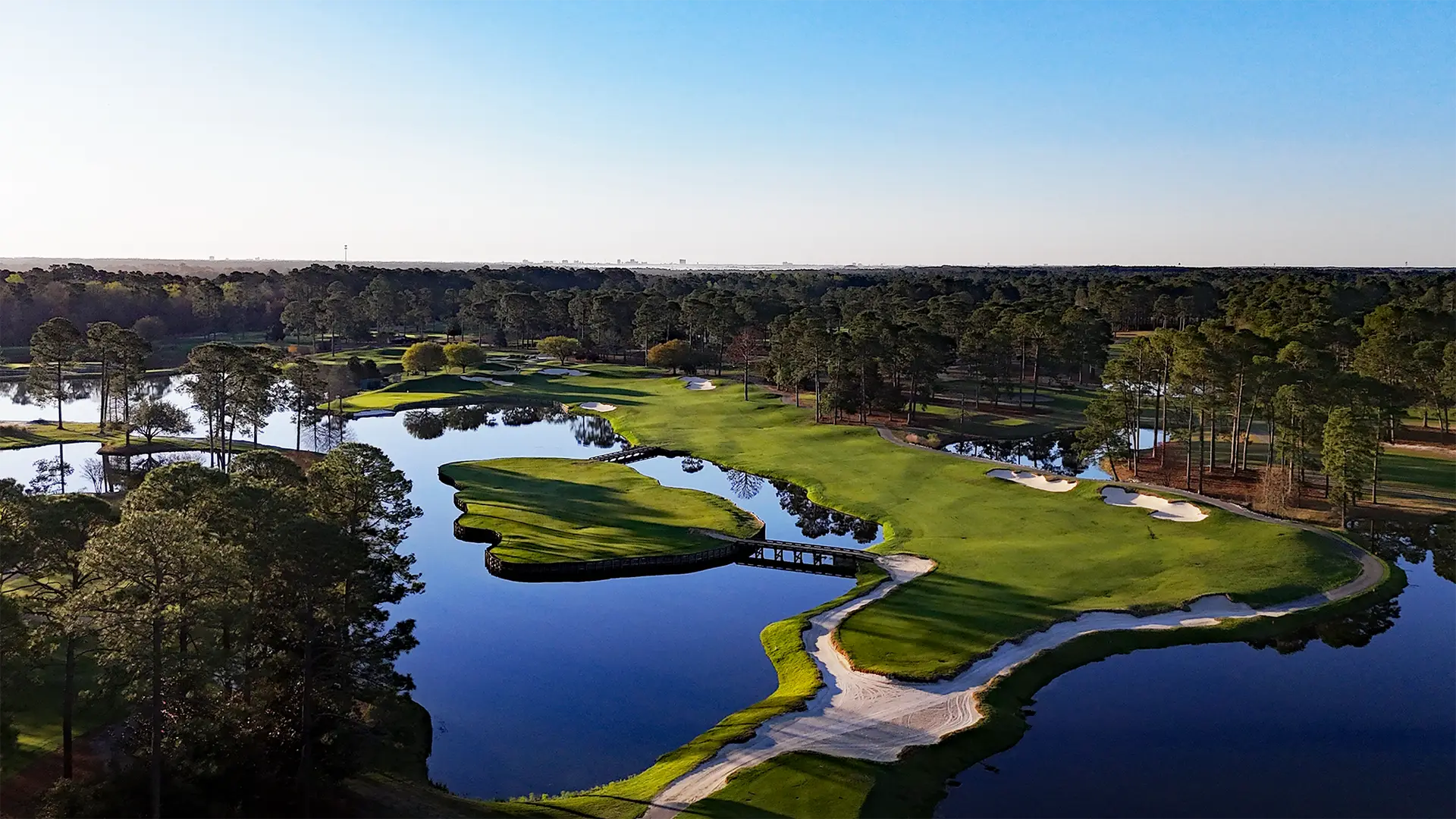
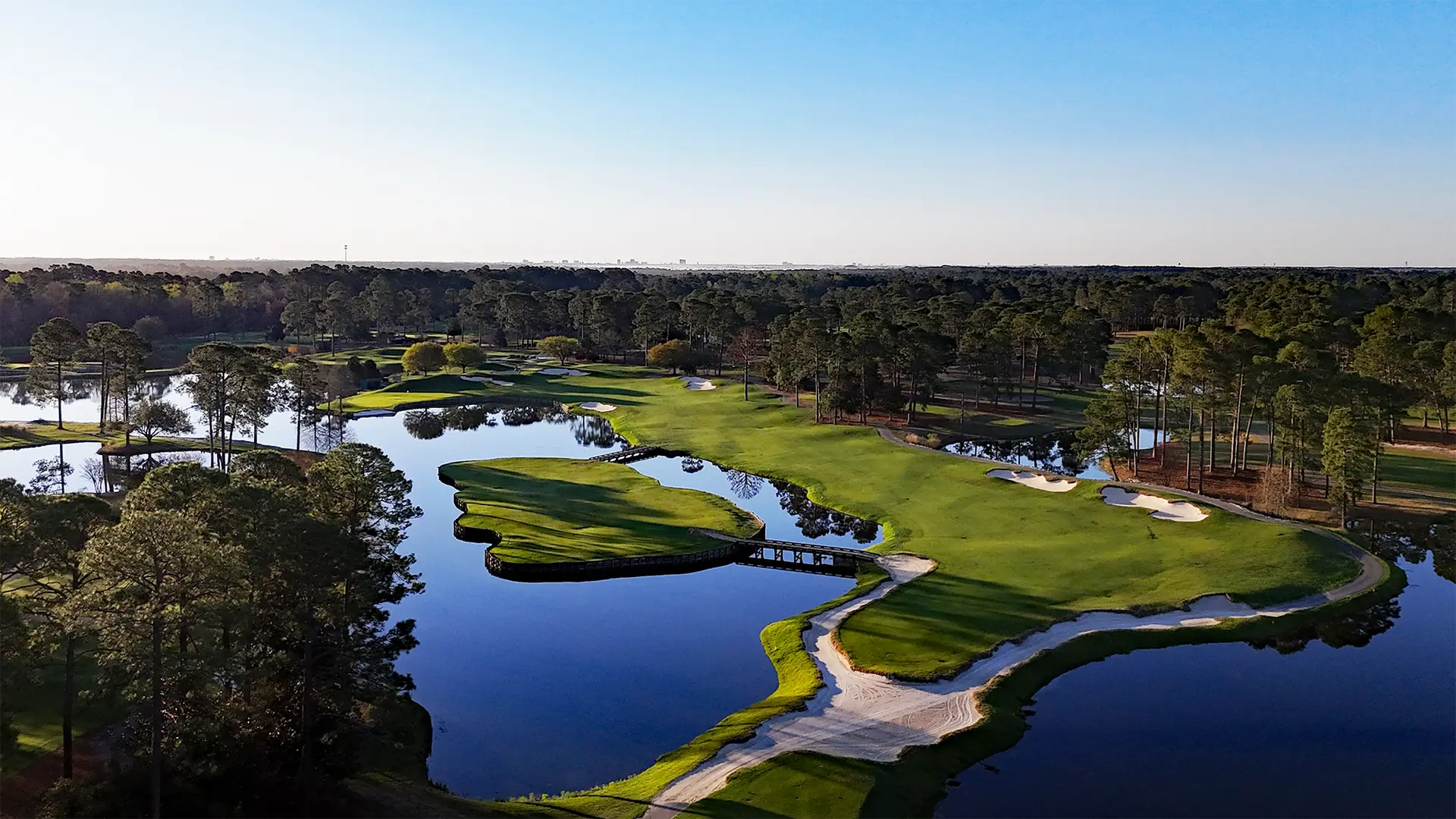
I’ve always been fascinated by how different architects approach risk-reward, and a trip to Myrtle Beach National’s King’s North course presents this philosophy on a silver platter with its 6th hole, “The Gambler.” This par five, crafted by the legendary Arnold Palmer, offers a tantalizing shortcut. Most par fives don’t give the average amateur a genuine “go in two” opportunity without a massive drive. But here, Palmer has ingeniously placed a second, island-style fairway to the left. Take the daring line, and you might be left with a mere 150-160 yards into the green. Fail, and you’re wet. It’s glorious, nerve-wracking golf, exactly as the name implies.
Speaking of architectural genius, Pete Dye’s work at PGA West’s Stadium Course is legendary for its exacting challenges. The 5th hole, “Double Trouble,” is a perfect encapsulation of his philosophy of creating holes that intimidate and demand precision. Standing on the tee, the name feels almost like a taunt. Water on the left, then more water threatening the approach to the right. It’s Dye at his finest, presenting clear danger and demanding a clear head. The sheer anxiety this hole generates for a golfer is palpable.
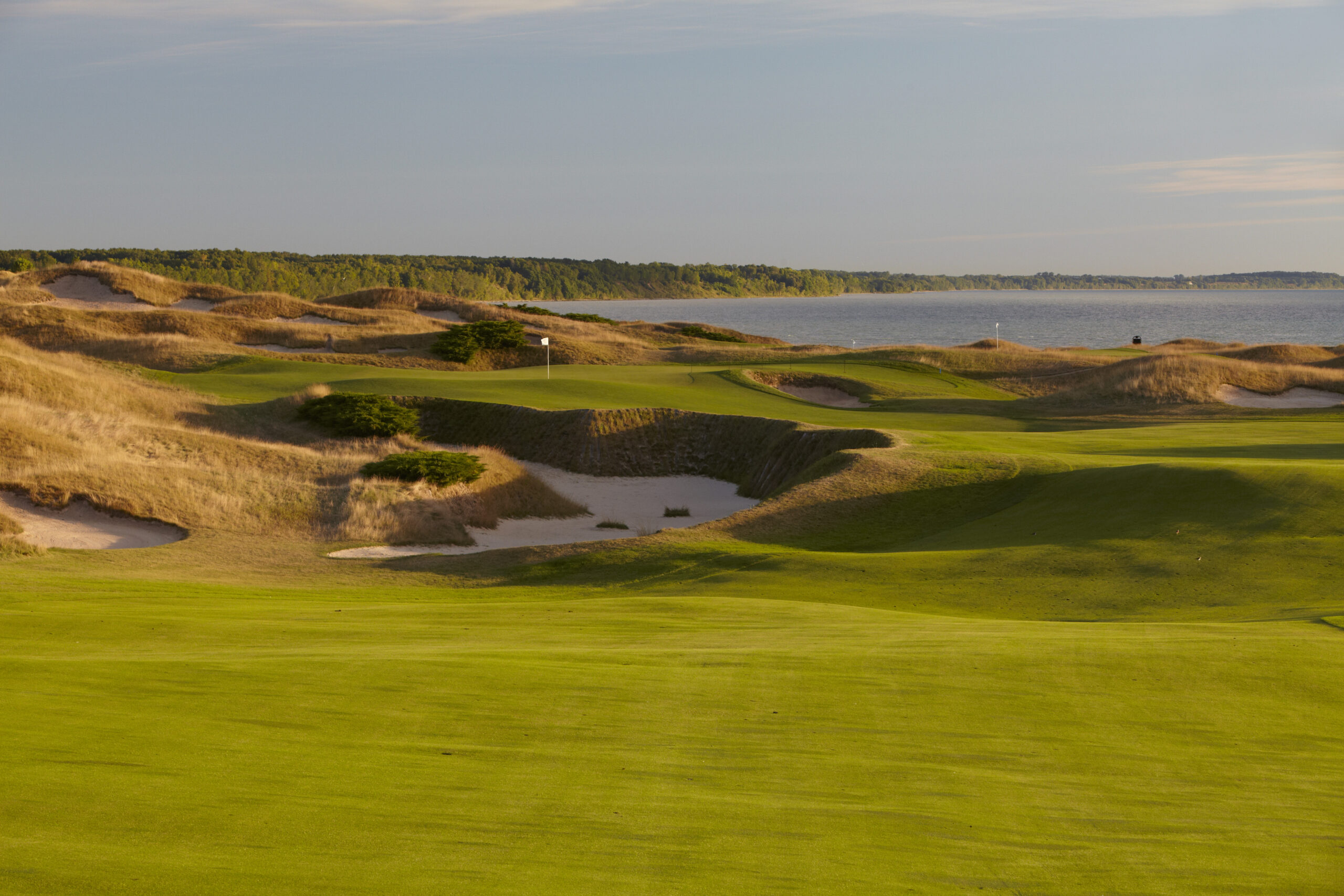
My travels to Kohler, Wisconsin, home to some truly dramatic golf, brought me to Whistling Straits and Blackwolf Run, both Pete Dye creations that maximize the dramatic topography of Lake Michigan. The 11th on the Straits course, “Sand Box,” is a colossal par five, stretching to 645 yards. The name isn’t metaphorical; it’s a stark reality. Bunkers litter the landscape, but one in particular stands out—a gargantuan, almost canyon-like bunker guarding the final 100 yards of the left side. As a student of design, I see this as Dye pushing the limits of what a hazard can be, turning a sand trap into a geological feature. It’s a penal yet unforgettable element:
“Both perspectives would be correct, though it’s hard not to think that the gigantic trap was the initial inspiration. After all, it’s conceivable that should your ball end up at the bottom of that pit, you may be playing in there for a while.”
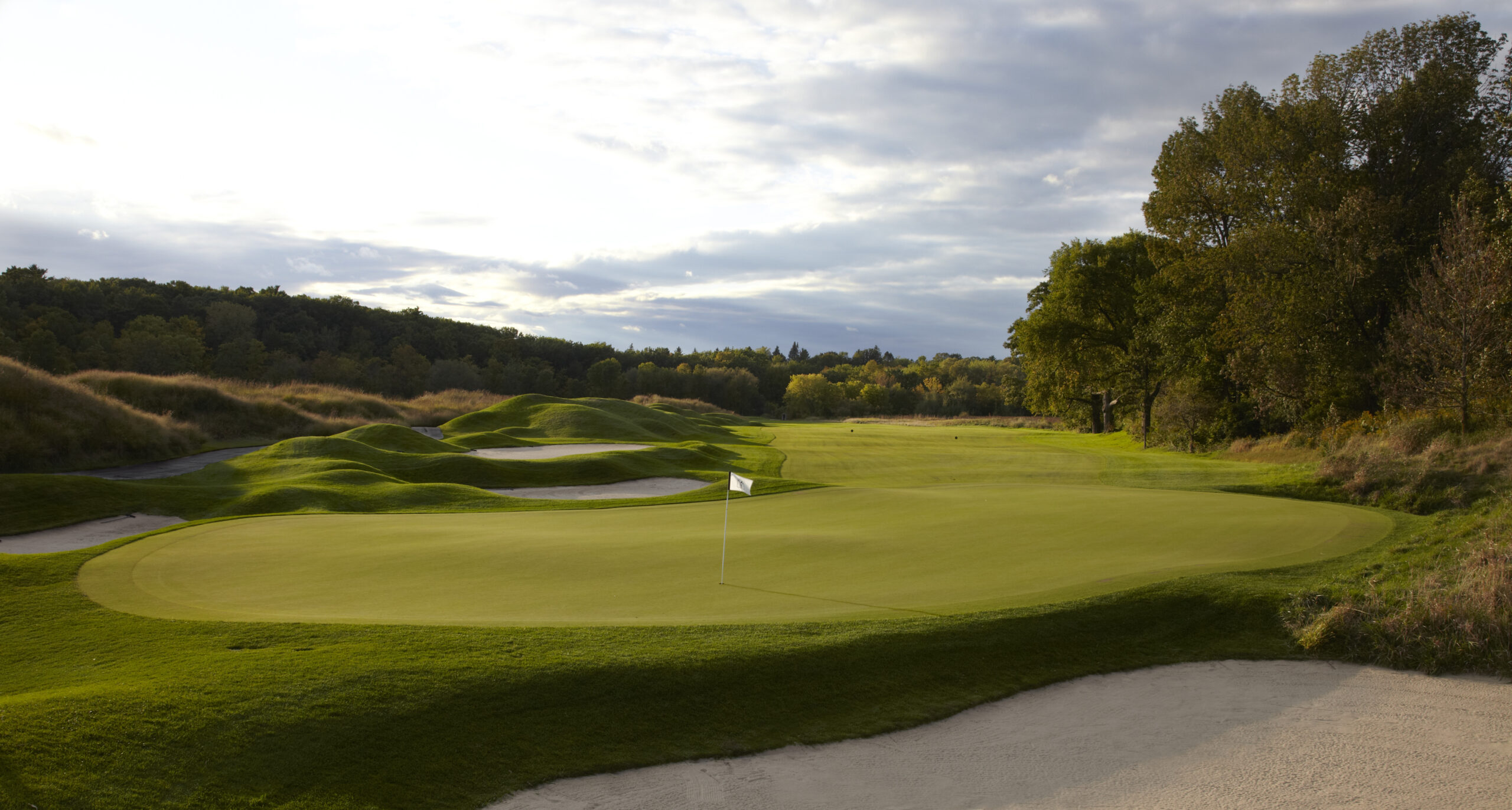
Equally evocative at Blackwolf Run, the River Course’s 2nd hole, “Burial Mounds,” paints a vivid picture of the consequences of an errant shot. Miss left, and you’re in impenetrable woods. Bail out right, and you’re confronted with a series of steep, rough-covered moguls. It’s a terrifying prospect, conjuring images of lost balls and shattered scorecards. Dye forces you to confront your fear and precision.
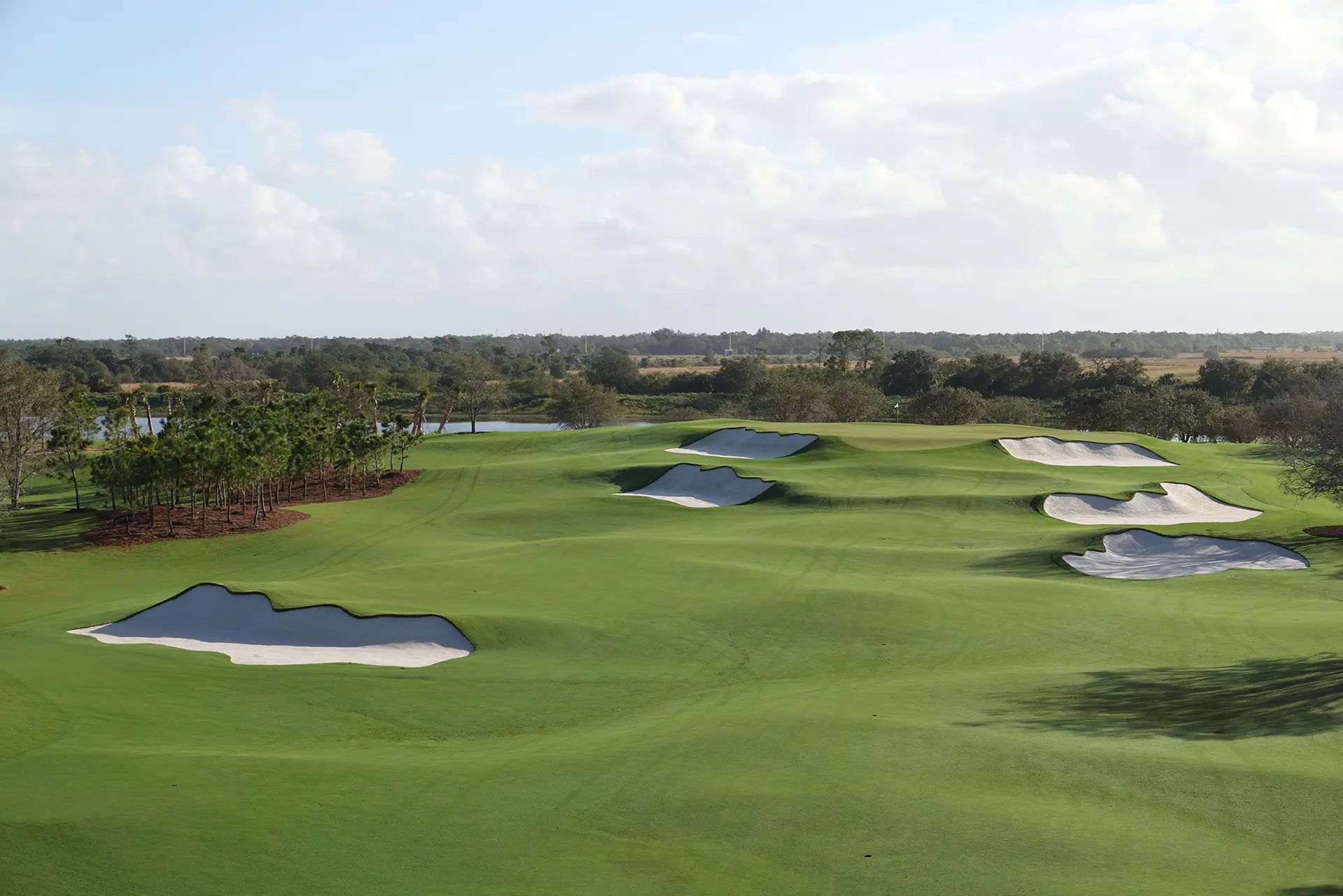
Away from the penal, there’s “Stairway to Heaven” at Apogee’s Apex course in Indiantown, Florida. Designed by Tom Fazio II and Mike Davis, this course is a testament to what thoughtful earthmoving can achieve, creating dramatic elevation changes in a typically flat landscape. The 13th hole, a potentially drivable par four, climbs upward with distinct, stair-stepping ledges leading to the green. The name beautifully captures the gentle ascent, the promise of a birdie, and the literal rise to a higher plane of putting surface.
Across the Pond: Where History and Architecture Converge
No discussion of iconic hole names would be complete without a pilgrimage to golf’s ancestral home. Across the Atlantic, the names tell tales of legendary players and the very nature of golf’s purest forms. Carnoustie’s 6th hole, “Hogan’s Alley,” is a testament to the man himself. This par five, often playing into a stiff wind, demands an almost impossibly precise tee shot – left of two central bunkers, flirting with out-of-bounds, all to secure the best angle. Ben Hogan, in 1953, mastered this alley all four days, birdying each time en route to his Open Championship victory. The name isn’t just a label; it’s an homage to a strategic triumph, a place where a legend truly earned his stripes.
Then there’s Royal Portrush’s Dunluce Course, a true links masterpiece. Its 16th hole, “Calamity Corner,” is a name that sends shivers down the spine. This 236-yard par three is not near water, but rather curls around a ravine that plunges 50 feet. It is, perhaps, the most daunting one-shot hole I’ve ever stood on that isn’t directly beside an ocean. The sheer topography dictates the challenge; anything short and right is, well, a calamity:
“If you want to avoid a calamity on your scorecard, follow the yardage guide’s advice and ‘take plenty of club and hit for the back left of the green’.”

Finally, St. Andrews, the Old Course. While the Road Hole, 17, gets all the press for its infamous name, the 18th, “Tom Morris,” holds a deeper architectural significance for me. Not only was Morris’s shop adjacent to the green, but he famously shaped this putting surface himself, considering it one of his finest works. It’s a beautiful tribute to a man who literally helped shape the game from its earliest days. You can almost feel his spirit on that historic turf.

These holes, and their wonderfully descriptive names, offer more than just a round of golf. They are living architectural lessons, historical markers, and psychological challenges rolled into one. They remind us that the best golf courses engage not just our swing, but our minds and our imaginations.
