


As golf architects and enthusiasts, we often speak in reverent tones about “signature holes” – those masterpieces of design that etch themselves into memory. But beyond the iconic par-3s and demanding finishing holes, there’s a whole universe of individual holes whose very names tell a story, hinting at the drama, the strategic choices, or the sheer challenge that awaits. The Daily Duffer has always celebrated this artistry, and today, we’re diving deep into some of the most aptly named holes I’ve encountered in my travels, analyzing not just what they are, but *why* they resonate so profoundly.
My journey through over 200 courses worldwide has taught me that a name, when truly earned, acts as a guiding principle for the design. It’s a promise, sometimes intimidating, sometimes inviting, but always true to the spirit of the hole. Let’s explore a few that truly make their monikers sing.
The Allure of the Risky Shot: “The Gambler” at Myrtle Beach National (King’s North)
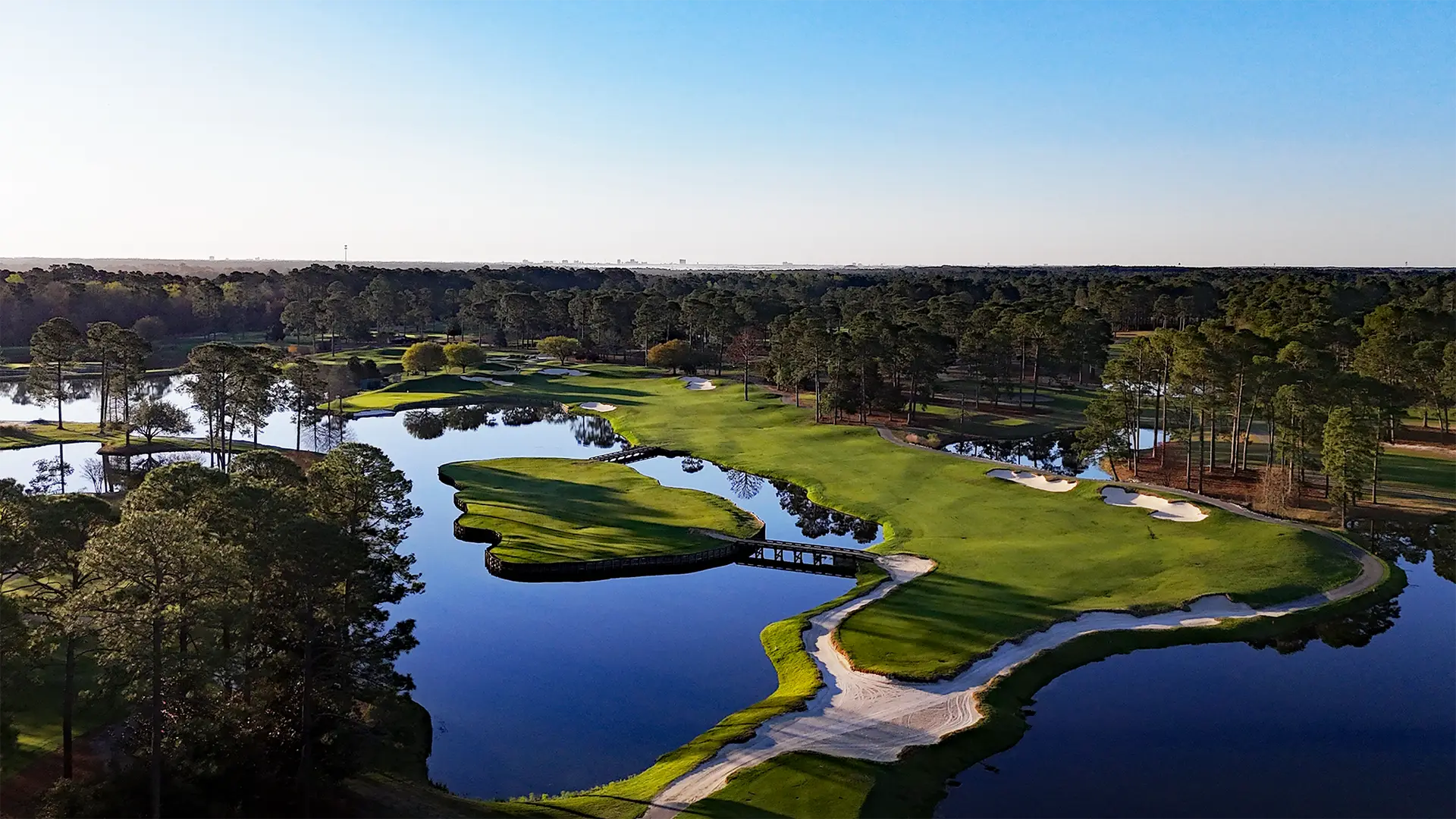
Myrtle Beach is a golf mecca, a place where architects have often been given carte blanche to create memorable, even theatrical, golf. Pete Dye, with his bold, sometimes brutal, yet always brilliant philosophy, would appreciate the sentiment behind the 6th hole at King’s North. Dubbed “The Gambler,” this par-five is a masterful examination of nerve and ambition.
“Those who live dangerous and take aim at that island fairway might have only 150 or 160 yards into the green, but such a tee shot comes with plenty of risk—hence, this hole’s name: The Gambler.”
This isn’t your everyday par-5 where a long, straight drive sets up an easy layup. Here, architect Arnold Palmer (yes, the King himself had a keen architectural eye) offers a tantalizing shortcut. A secondary, island fairway dares you to carry water, offering a significantly shorter approach shot to the green. The design here is pure strategic genius. The primary fairway is a safe, albeit longer, route. The island fairway, however, a slender emerald strip amidst blue, is the path to glory – or ruin. It’s the kind of decision that forces you to confront your own game, your own confidence, and frankly, your own ego. I’ve stood on that tee, club in hand, feeling the pull to go for it, knowing full well the water awaits any miscue. It’s a shot that defines the hole, and indeed, the name defines the shot. The average amateur rarely gets this kind of explicit, high-stakes choice, which is why it sticks with you.
A Desert Deception: “Hidden Green” at Troon North (Monument)
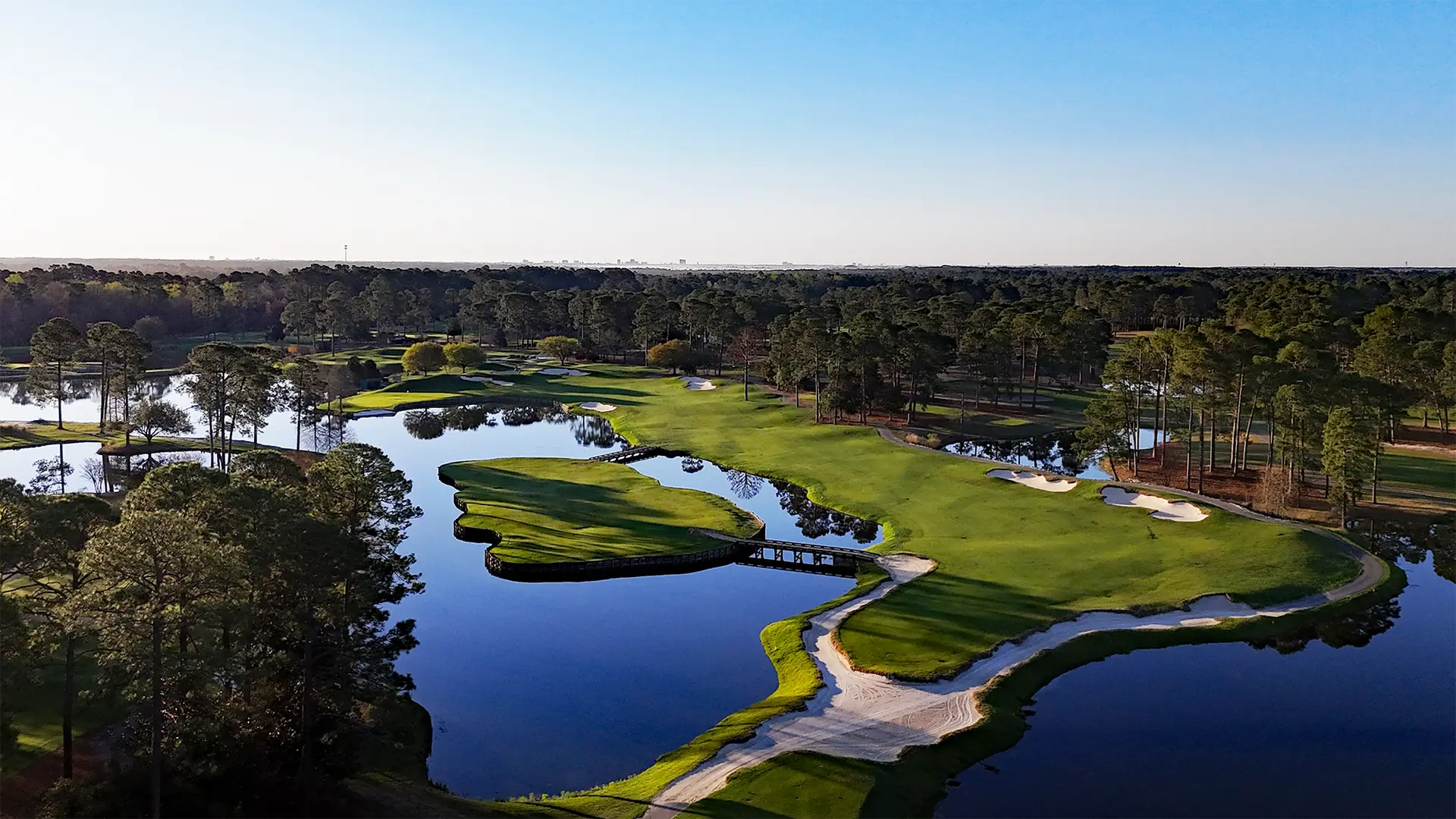
My experiences in the American Southwest always bring me back to the stark beauty and challenging layouts carved into the desert landscape. Troon North, specifically the Monument course in Scottsdale, Arizona, stands out. The first hole, aptly named “Hidden Green,” establishes a tone of subtle deception that architects like Tom Weiskopf, who designed this gem with Jay Morrish, master so well.
From the elevated tee box, the course unfolds before you, seemingly transparent. But as you progress down the fairway, the true nature of the green reveals itself. It’s partially concealed, a sliver of putting surface visible, yet the entirety of its contours, particularly a significant bisecting slope, remains out of sight. This is where clever design truly shines. The name isn’t just descriptive; it’s a warning, a challenge to those who assume a simple center-of-the-green approach. Playing prudently here might actually work against you, especially with pins cut on the more challenging left side of that slope. It’s a brilliant way to begin a round, asking players to think critically from the outset, rather than simply relying on visual cues. Alister MacKenzie would nod in approval at such a cunning introduction.
The Weight of History: “Hogan’s Alley” at Carnoustie (Championship)
Venturing across the pond, we find holes steeped in history and legend. Carnoustie, a course I’ve walked many times, especially around Open Championship season, is a place where every blade of fescue seems to whisper tales of past champions. The 6th hole of the Championship Course, “Hogan’s Alley,” is a testament to both ingenious design and a legendary performance.
“That didn’t deter Ben Hogan in 1953, who hit precise drives to that area all four days of the tournament, recording birdies each day. (Incidentally, Hogan won the championship by four strokes.) For that reason alone, Hogan’s Alley is a very apt name.”
This par-five often plays into a prevailing wind, making its 578 yards feel even longer. The strategic dilemma is immediate: two bunkers bisect the fairway, forcing a choice. The most advantageous line, the “A-position” as it’s known, is left of these bunkers, but this brings out-of-bounds dangerously close. It’s a sliver of a target, demanding perfection. Ben Hogan, during his 1953 Open win, famously threaded this needle, every single day, making birdies in the process. The name, christened in 2003 by Open Champion Paul Lawrie, beautifully encapsulates the daring and precision required. It’s a reminder that even on the grandest stages, golf design often presents a specific challenge, and sometimes, a specific champion rises to meet it so spectacularly that they immortalize a stretch of turf with their name. Playing it, I always feel a frisson of that history, attempting to channel just a touch of Hogan’s unwavering focus.
The Depths of Despair: “Calamity Corner” at Royal Portrush (Dunluce)
Finally, we journey to the rugged beauty of Northern Ireland and the Dunluce Course at Royal Portrush. The 16th hole, “Calamity Corner,” is a beast of a par-three, a genuine architectural marvel that instills fear and respect in equal measure. Alister MacKenzie, with his fondness for natural features and strategic bunkering, would have admired the sheer audacity of this hole.
“Miss short and right, and there’s a good chance you’ll be lying at least three by the time your ball comes to rest on the putting surface… If you want to avoid a calamity on your scorecard, follow the yardage guide’s advice and “take plenty of club and hit for the back left of the green.”
Measuring a formidable 236 yards from the back tees, this hole is defined by a colossal ravine that plunges over 50 feet, guarding the right and front of the green. This isn’t just a hazard; it’s an abyss. The name “Calamity Corner” is not hyperbole; it is a straightforward truth. A miss short or right means an almost certain lost ball or an impossible recovery shot from the depths. The design forces you to aim for the safer, but sometimes longer, back-left portion of the green, taking the hazard out of play. It’s a brilliant example of how a natural feature can be incorporated into a golf hole to create an almost overwhelming sense of intimidation. The architect, Harry Colt, understood that sometimes the most dramatic design choice is simply to let nature do its worst, then challenge the golfer to overcome it. My own attempts to carry this chasm have often been met with a deep sense of dread, and occasionally, with the calamity that the name so accurately portends.

These holes, from the sun-baked sands of Myrtle Beach to the windswept dunes of Northern Ireland, serve as a testament to the power of a well-chosen name. They aren’t just labels; they are integral parts of the golf experience, enriching our understanding of the design and deepening our appreciation for the game. When you step onto a tee box and read a hole’s name, take a moment. That name is often the architect’s direct message to you, a clue, a challenge, or a promise for the journey ahead.
