


As a golf course architecture enthusiast, few things excite me more than discovering a hole that lives up to its name, a moniker that instantly communicates its essence. We’ve all heard the legends of the ‘Bear Trap’ or ‘Amen Corner,’ stretches of holes that are as infamous as they are difficult. But sometimes, it’s a single hole, with a perfectly chosen alias, that truly captures the imagination and the golfing spirit. Today, I want to take a closer look at some individual holes whose names are not just catchy, but deeply embedded in their design, history, or the sheer terror they instill.
The Devil is in the Details: A Look at Intelligent Design Names
I’ve had the immense privilege of traversing over 200 courses worldwide, from the rugged links of the British Isles to the desert oases of the American Southwest. What I seek, beyond the perfectly manicured greens or the stunning vistas, is the architect’s intention – the story they’re telling with earth, sand, and water. A well-named hole often provides the opening chapter to that story.
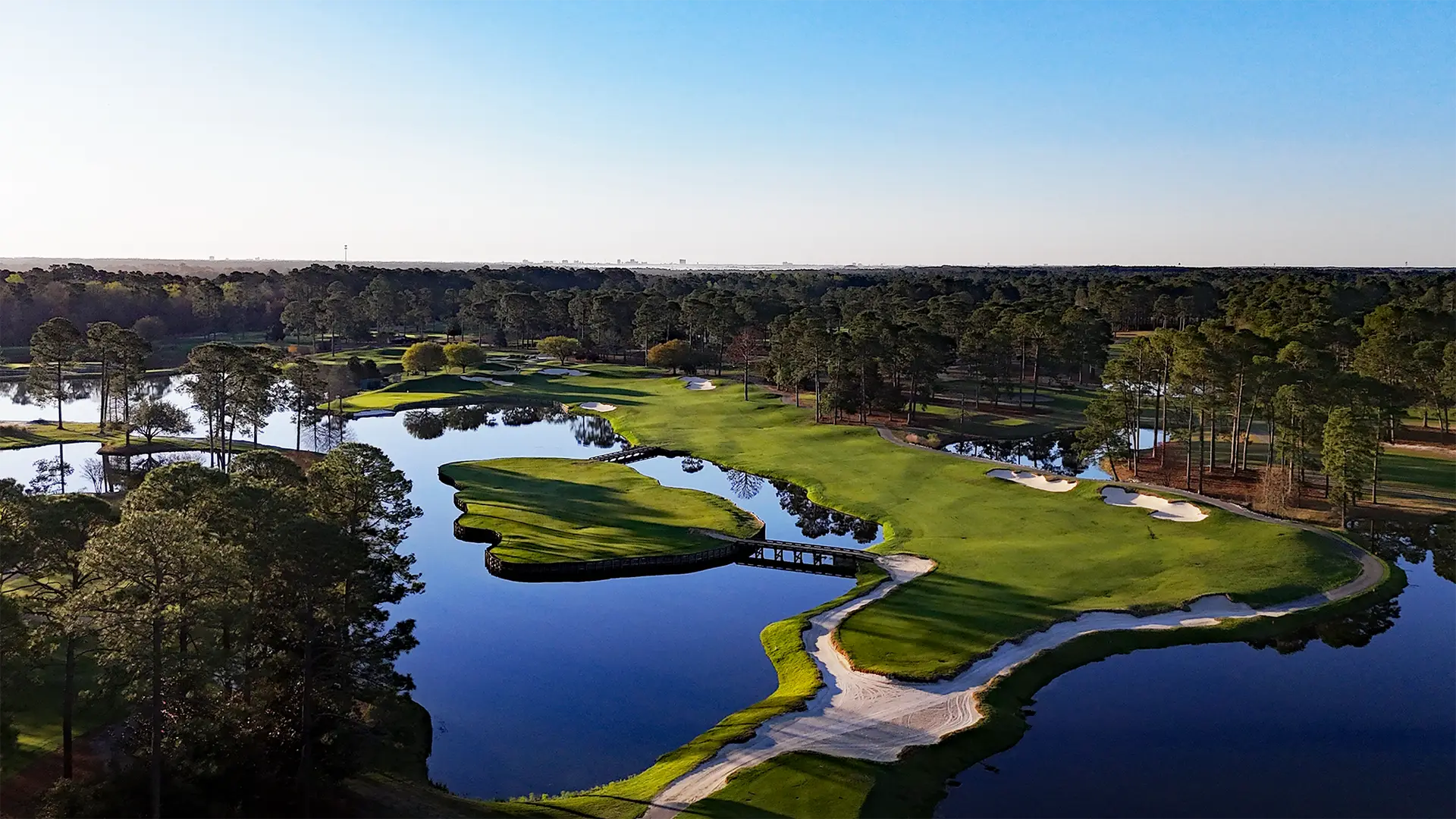
Consider the 6th hole at King’s North at Myrtle Beach National, aptly named “The Gambler.” This par-five, a creation from the imaginative mind of Arnold Palmer’s design team, presents a choice that instantly defines its character. Most amateurs rarely get a legitimate crack at a par-five in two. Here, however, a daring shortcut beckons.
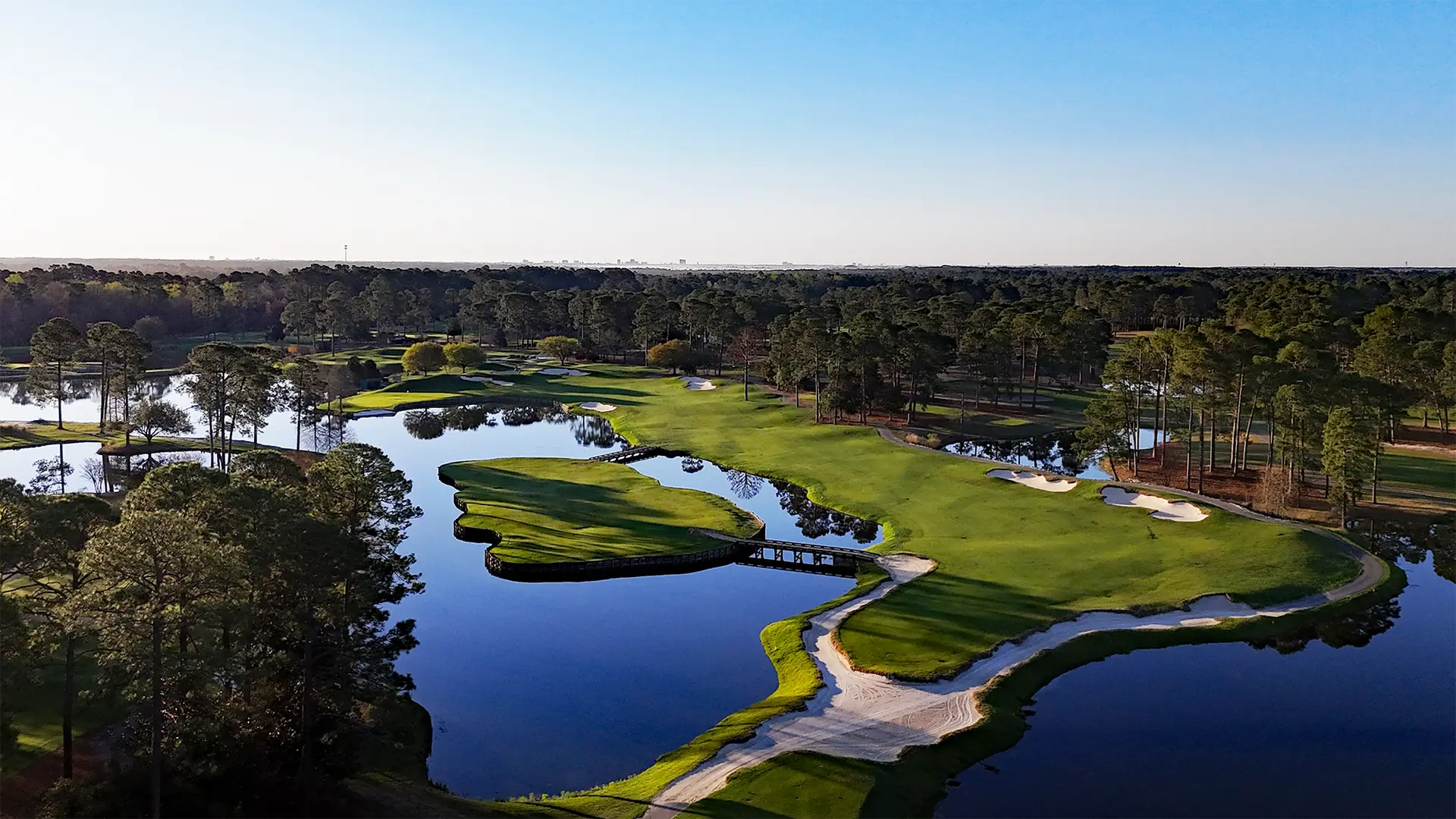
“Those who live dangerous and take aim at that island fairway might have only 150 or 160 yards into the green, but such a tee shot comes with plenty of risk—hence, this hole’s name: The Gambler.”
This design decision isn’t just about length; it’s about psychology. It’s a strategic element that forces a decision. Do you play it safe, or do you take on the island fairway, risking a watery grave for a significantly shorter approach? This is exactly the kind of intelligent risk-reward that elevates a course. Palmer, a fearless player himself, certainly understood the allure of the bold play, and this hole perfectly embodies that ethos.
My travels have often led me to the desert, specifically to Scottsdale, Arizona, where Troon North’s Monument course offers a different kind of architectural intrigue. The 1st hole, “Hidden Green,” is an opener that quickly sets expectations. From the elevated tee, the fairway stretches out, seemingly benign. But as you approach, the subtle deception of the name becomes clear.
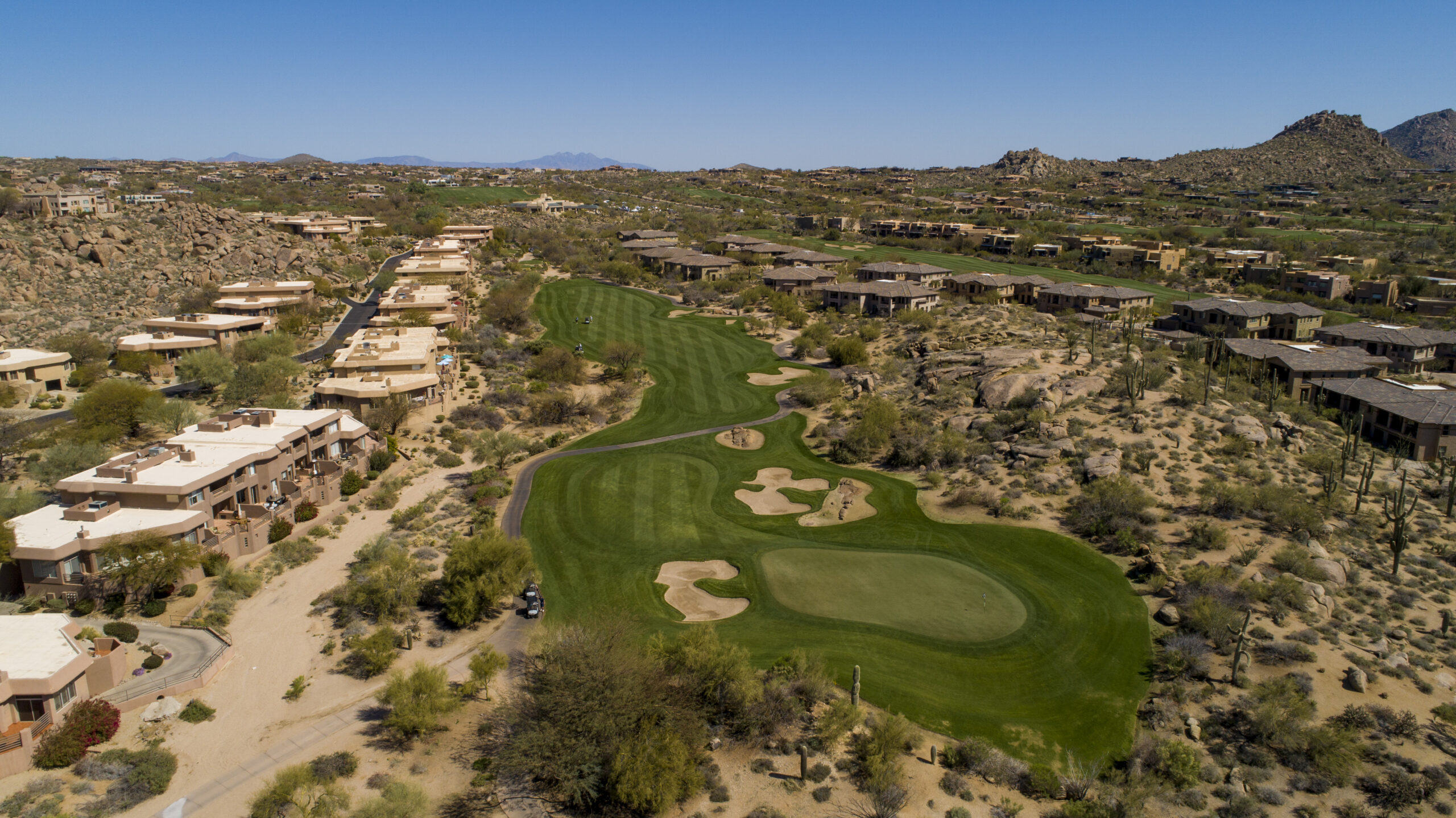
The green complex, characteristic of the Fazio design philosophy (though this course was originally designed by Tom Weiskopf and Jay Morrish), features a pronounced slope, dividing it into high and low portions. This visual trickery, where only a sliver of the putting surface is visible, is a clever way to test a golfer’s depth perception and shot-making. An “uninformed” golfer aiming for the center might find themselves in a world of trouble, especially with a tricky pin placement. It’s a design that rewards local knowledge and precise iron play from the outset.
When Names Mirror the Mayhem: The Challenges of the Game
Some names don’t just hint at risk; they practically scream impending doom. Whistling Straits, a Pete Dye masterpiece carved into the Wisconsin shoreline, is a course I’ve walked many times, and each visit reveals new layers of Dye’s strategic genius and occasional sadism. The 11th hole, a colossal par-five, is chillingly dubbed “Sand Box.”
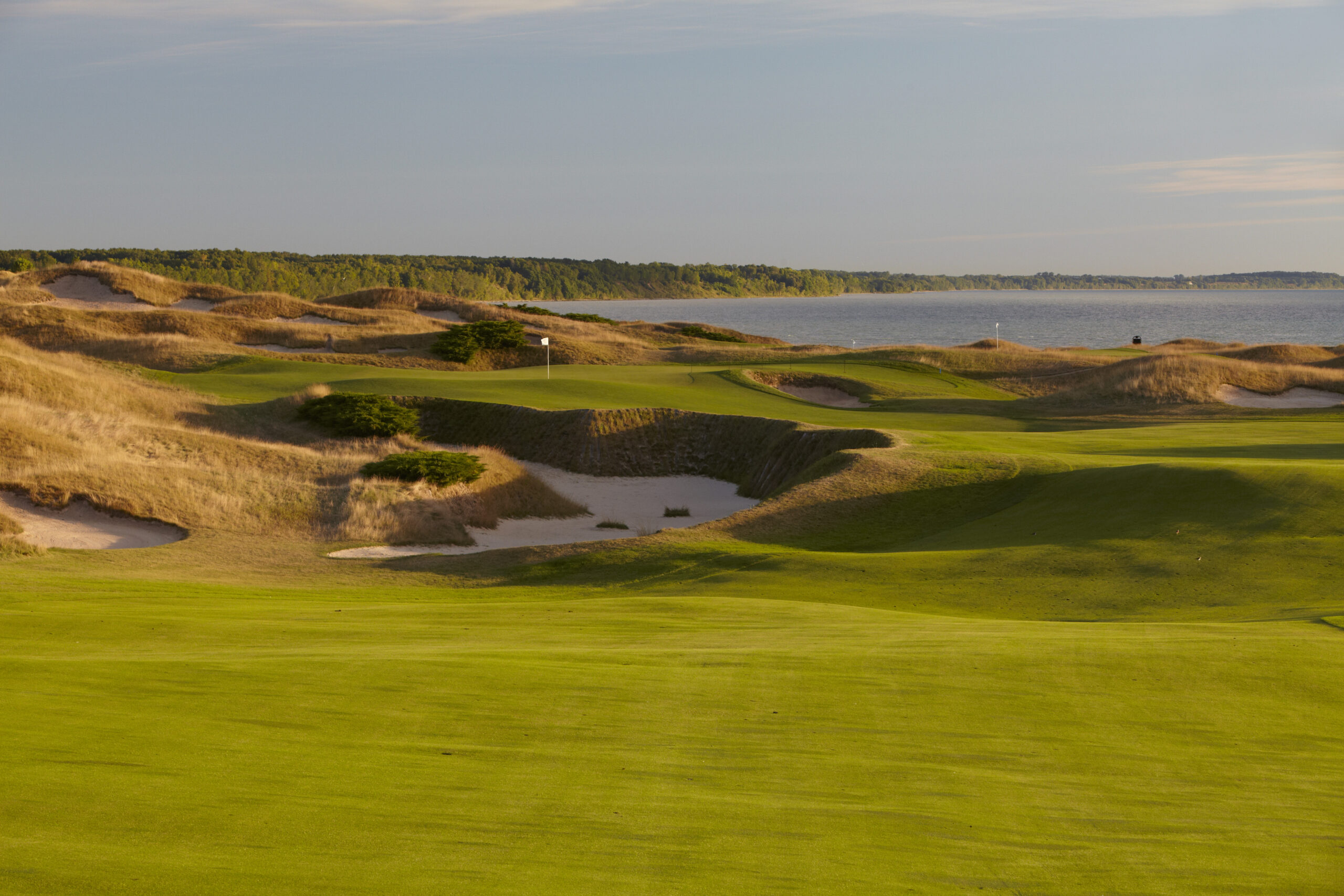
“Some will say the Sand Box earns its moniker for all of the bunkers (more than 100 of them) that pepper both sides of the massively long fairway. Others will argue the name is based on the cavernous trap that guards the last 100 yards or so of the fairway on the left. Both perspectives would be correct, though it’s hard not to think that the gigantic trap was the initial inspiration.”
Having navigated those “more than 100 bunkers,” I can attest that both interpretations are valid. Dye’s philosophy often involves overwhelming the golfer with options and visual intimidation. The sheer scale of the bunkers here, particularly the gargantuan pit guarding the final stretch, perfectly encapsulates the name. It’s a sandbox for grown-ups, where lost balls and frustrated swings are common currency. It’s a testament to Dye’s ability to create an undeniable sense of place and challenge.
Equally evocative is the 2nd hole at Blackwolf Run’s River course, also in Kohler, Wisconsin, known as “Burial Mounds.” This medium-length par-four plays tight, with dense woodlands flanking the left. The bailout, for most, is right, but that’s where the name truly takes hold.
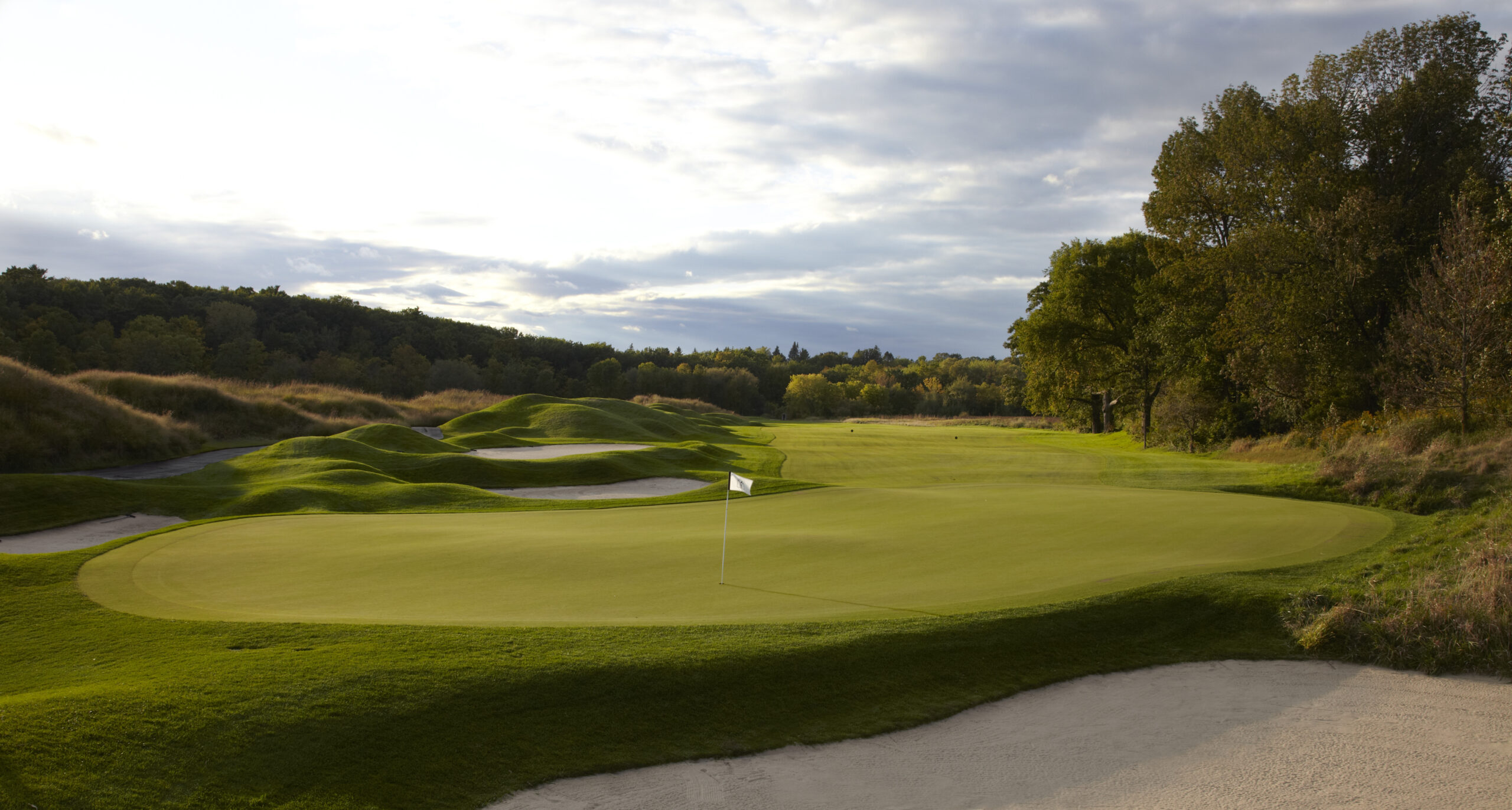
The “mounds” are not gentle, rolling hills but rather pronounced humps and hollows, covered in thick, penal rough. Landing here means awkward lies, compromised swings, and often, a battle just to advance the ball. It’s a design that punishes errant shots with a tangible, physical challenge, ensuring that the name “Burial Mounds” feels all too real.
Where History and Geography Converge: Legends of the Links
Of course, no discussion of brilliantly named holes would be complete without a nod to the birthplace of golf. Carnoustie’s Championship course, a stern test that has hosted countless Opens, features the 6th hole, “Hogan’s Alley.” This name, though relatively recent, perfectly captures a legendary moment.
The hole demands a precise, disciplined tee shot to a narrow landing zone, made even trickier by out-of-bounds on the left and strategic bunkers. Ben Hogan, in his legendary 1953 Open win, famously threaded this needle consistently, carding birdies each day. It’s a testament to a specific player’s mastery over a demanding hole, and the name serves as a perpetual reminder of his courage and precision.
Across the Irish Sea, at Royal Portrush’s Dunluce course, awaits the 16th—a par-three known as “Calamity Corner.” Having stood on that tee, I can confirm the name is no exaggeration. This 236-yard behemoth curls around a ravine that plunges over 50 feet. A miss short and right means almost certain disaster, leaving a lengthy and difficult recovery just to salvage a reasonable score.

It’s a marvel of links design, where the natural terrain dictates the challenge, and the architect wisely allows the land to speak for itself. The name doesn’t just describe a risk; it issues a warning. Before you even strike the ball, the weight of a potential “calamity” settles on your shoulders, highlighting the brilliance of a name that is both poetic and powerfully descriptive.
These holes, whether they challenge your nerve, deceive your eye, or commemorate history, are more than just numbers on a score card. They are characters in the grand narrative of golf, their names a beautiful marriage of design, hazard, and the indelible stories etched into the landscape. Next time you play, pay attention to the names – they often reveal the soul of the hole.
