

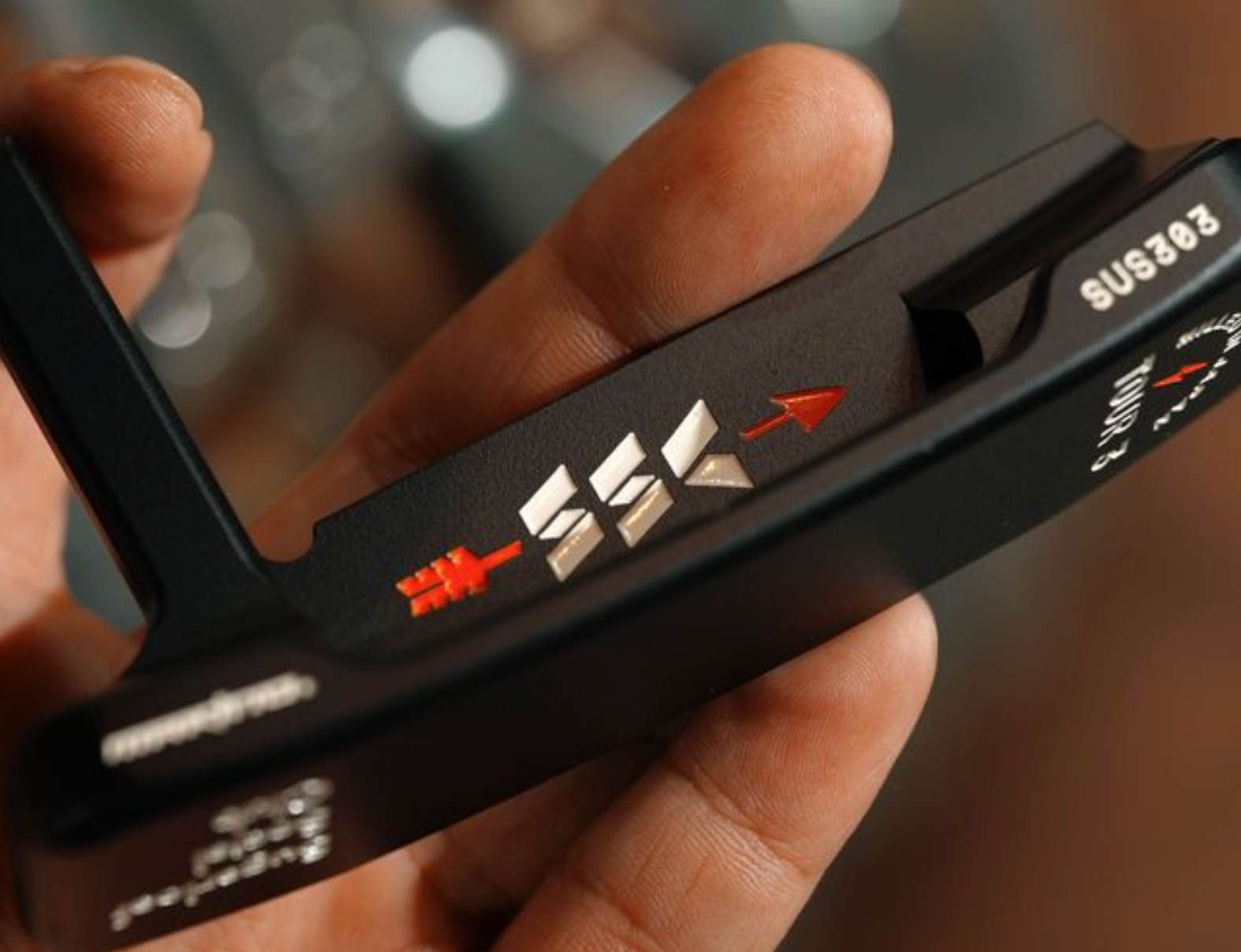

As a teaching professional, one of the most rewarding parts of my job is seeing golfers of all skill levels improve, especially in their short game. Putting, in particular, is an area where dramatic improvements can be made relatively quickly. It’s often said that “you drive for show, but you putt for dough,” and it couldn’t be truer. A solid putting stroke can shave strokes off your score faster than almost anything else. Today, we’re going to dive into how equipment and technique intertwine to create that truly effective stroke, inspired by the craftsmanship we see in putters like the new Sugarloaf Social Club x Makino collaboration.
We all know the excitement of new golf gear. The Sugarloaf Social Club (SSC) recently announced its next iteration of SSC x Makino putters, and while these are indeed “extremely limited quantities,” they serve as a fantastic reminder of the critical elements that go into a high-performance putter. But having a beautiful putter isn’t enough; you need to understand how to wield it effectively.
Understanding Your Putter’s DNA: Loft, Lie, and Weight
When you look at a putter, do you really know what makes it tick? Beyond its aesthetic appeal, there are crucial specifications that influence how the ball rolls off the face. Let’s consider the SSC x Makino putters as an example:
“The putters feature a loft of 3 degrees, a lie angle of 70 degrees, and arrive in a head weight of 356g (±1g tolerance).”
Let’s break down why these numbers matter to *your* putting:
- Loft (3 degrees): This isn’t just a random number! A putter’s loft is designed to lift the ball slightly out of its tiny depression on the green (even the smoothest greens have them) and get it rolling forward quickly, minimizing skidding. Too much loft, and the ball might hop or jump. Too little, and it could dig into the green. For most golfers, 2-4 degrees of loft is ideal. If you’re consistently seeing your ball hop excessively or dig in, checking your putter’s loft (or your shaft lean at impact) is a great first step.
- Lie Angle (70 degrees): This dictates how flat or upright the putter shaft is when the sole sits flush on the green. A 70-degree lie is fairly standard for many putters. If your putter’s toe or heel is significantly off the ground at address, it can cause your putter face to open or close, leading to off-line putts. This is where getting fitted or at least checking your setup is invaluable.
- Head Weight (356g): The weight of the putter head significantly impacts your feel and tempo. A slightly heavier head, like 356g, can promote a more stable stroke and help you maintain a consistent tempo, especially on longer putts. For some players, a lighter head allows for more feel. Experimentation is key here to find what works best for your stroke.

The Link Between Equipment and Your Stroke
You might be thinking, “Sarah, this is great, but how does this help *my* putting?” It helps immensely because understanding these factors allows you to diagnose issues and make informed choices, whether you’re buying a new putter or working with your current one. In my teaching experience, many golfers blame their stroke when sometimes it’s a subtle equipment mismatch.

Here’s how we can build a better stroke, keeping these putter characteristics in mind:
Actionable Drills for a Consistent Putting Stroke
1. The “Gate Drill” for Face Control
One of the most common causes of missed putts is an inconsistent putter face at impact. This drill helps you establish perfect face control.
- How it works: Find a flat part of the practice green. Place two tees just wide enough for your putter head to pass through cleanly, about 6 inches in front of your ball. Essentially, you’re creating a “gate” for your putter to swing through.
- Why it works: This drill provides immediate feedback. If your putter head nicks either tee, you know your face wasn’t square or your path was off. The goal is to consistently swing through the gate without touching the tees.
- Try this: Take 10 putts from 3 feet, focusing solely on the smooth passage of your putter through the gate. Once you can do that consistently, move the tees a bit closer to the ball to make the gate tighter.
2. The “Rhythm & Tempo” Drill with a Metronome
Remember that 356g head weight? It’s designed to promote a consistent tempo. You can simulate this with any putter using a metronome.
- How it works: Download a metronome app on your phone. Set it to a comfortable rhythm, perhaps around 60-70 BPM (beats per minute). Practice your putting stroke so that the backswing starts on one beat and the impact occurs on the next beat.
- Why it works: So many putting woes come from quick, jerky strokes. This drill forces you to slow down and create a repeatable tempo, which is critical for consistent distance control.
- Here’s a drill: Start with short 5-foot putts, focusing only on the rhythm. As you get comfortable, try increasing the length of your putts (to 10 or 15 feet) while maintaining the same rhythm. Your backswing will naturally get longer, but the tempo stays the same.
3. The “Lie Angle Awareness” Drill
This simple drill helps you ensure your putter is sitting correctly at address, avoiding pulls or pushes caused by an incorrect lie angle.
- How it works: Take a putter and place a piece of masking tape on the sole of your putter. Address a putt, take a few strokes, and then check the tape.
- Why it works: If the tape is worn more on the toe side, your putter is likely too upright for you, causing you to pull putts. If it’s worn more on the heel side, it’s too flat, likely causing pushes. Even with a standard lie angle of “70 degrees,” your setup matters.
- Try this: Adjust your ball position slightly or your eye line until the wear mark on the tape is perfectly centered on the sole. This ensures you’re presenting the putter flush to the ground consistently.

The Bigger Picture: Practice with Purpose
Whether you’re using a high-end putter crafted by Makino, a brand known for its “premium, performance-driven equipment crafted for serious players,” or the putter you picked up years ago, the principles remain the same. Anyone can improve their putting with focused practice.
“Sugarloaf Social has evolved from crafting small-batch headcovers and accessories into a full-service creative agency, now partnering with some of the most iconic and respected brands in golf…”
This growth story isn’t just about business; it’s about the evolution of quality and attention to detail. Apply that same ethos to your putting. Don’t just hit putts blindly. Understand your equipment, practice with purpose using these drills, and I promise you’ll see those scores drop. Putting is a skill that responds incredibly well to disciplined effort. You’ve got this!
