


Hello, Daily Duffer readers! Sarah Chen here, and I’m thrilled to share some insights on one of the most personal clubs in your bag – the putter. As professionals gathered at the Cognizant Classic, a recent article in “Putters Aplenty” perfectly highlighted just how varied and interesting these clubs can be. As your golf instruction editor, I believe that understanding your putting stroke and finding the right putter are crucial steps to lowering your scores, regardless of your current handicap.
For over 15 years, I’ve had the privilege of working with golfers of all levels, from tour pros to dedicated weekend warriors. And one thing I’ve learned is that putting, more than any other aspect of the game, truly reflects individuality. There’s no single “right” way to putt, just as there isn’t one “perfect” putter for everyone. It’s about finding what works for *you*.
The “Putters Aplenty” article beautifully showcased this diversity:
“If you’ve availed yourself of previous iterations of Putters Aplenty, then you know that, well, we take a look at plenty of putters. Which is to say, the wide variety of the most variable and interesting clubs in the bag (sorry, 7-irons).”
This sentiment resonates deeply with my teaching philosophy. While the driver might be for show, the putter is for dough! And often, it’s the club that frustrated golfers overlook the most when seeking improvement. Let’s delve into some key aspects of putting and how we can apply insights from the pros’ equipment choices to your game.
Understanding Putter Types: Blade vs. Mallet vs. Specialty
The pictures from the Cognizant Classic give us a fantastic visual tour of putter technology. We saw everything from classic blades to high-MOI mallets, and even a broomstick!
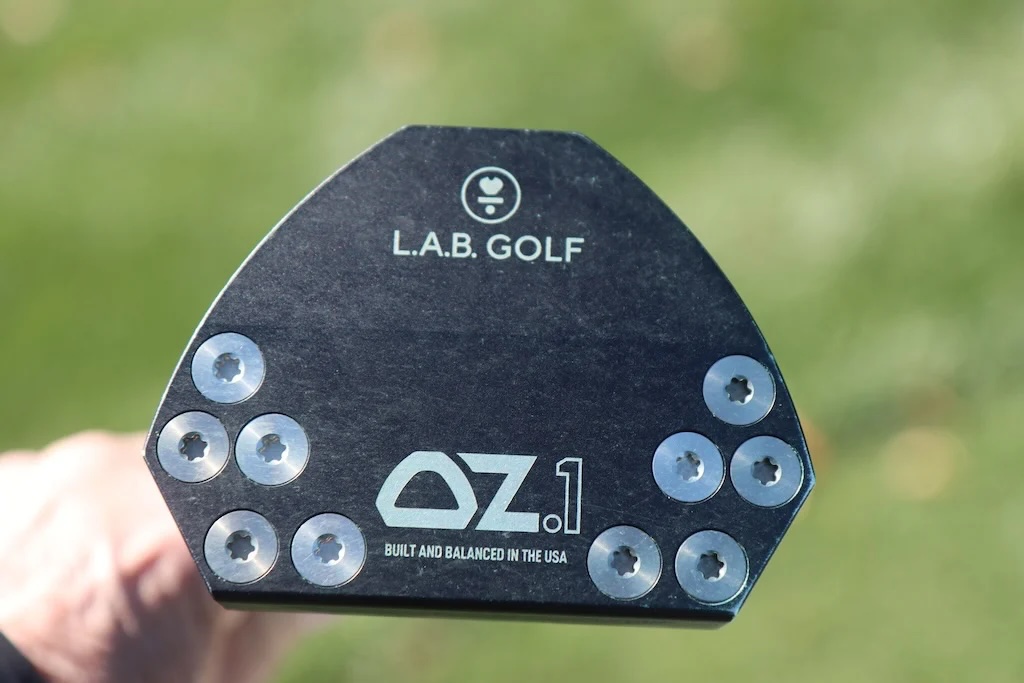
Consider David Lipsky’s L.A.B. Golf OZ.1, a distinctly modern design:


Then we have the elegant Bettinardi mallet for Hank Lebioda:


And of course, the ever-popular Scotty Cameron designs, like Jackson Suber’s mallet and John VanDerLaan’s classic Newport:


What do these choices tell us? That putter design aids different natural strokes and preferences. Blade putters often suit golfers with a more arcing stroke, while mallets, with their higher Moment of Inertia (MOI), offer more stability and forgiveness on off-center hits, often benefiting those with a straighter-back-and-through motion. Mid-mallets offer a blend of both worlds.
My advice? Don’t be afraid to experiment, just like the pros do. This leads us to a fascinating observation from the article:
“Marcelo Rozo pulled a broomstick from the closet…”


This highlights the adaptability of golfers and the constant search for anything that gives them an edge. The broomstick putter, while not for everyone, is designed to minimize small muscle movements and promote a pendulum stroke, often excellent for golfers who struggle with wrist breakdown.
Finding Your Stroke: It’s Not About the Putter Alone
While the putter is a tool, your stroke is the engine. I always emphasize to my students that equipment should complement your natural tendencies, not force you into an uncomfortable position. When I see a player consistently miss putts, we first look at their setup and stroke mechanics. Are your eyes over the ball? Is your spine angle consistent? Are your hands too active?
Taylor Moore’s substantial putter also caught my eye:
“Which was not to be outdone for sheer mass, with Taylor Moore looking to have a word.”


Heavier putters can often help golfers with tempo and a smoother, more controlled stroke, especially on faster greens. The added weight helps prevent a quick, jerky motion.
Actionable Drills to Improve Your Putting
Ready to improve your putting? Here are a few drills you can try:
1. The Gate Drill: For Face Control and Start Line
Why it works: The vast majority of missed putts are due to an incorrect start line, often caused by a putter face that isn’t square at impact. This drill provides immediate feedback, helping you train your eyes and hands to return the putter face square to your target line.
How to do it: Find a relatively flat putt, ideally about 3-5 feet. Place two tees in the ground, just wide enough for your putter head to pass through cleanly, with the putter head resting between them. Now, address the ball as usual, just beyond these “gate” tees. Focus on swinging the putter through the gate without touching either tee and starting the ball on your intended line. Initially, don’t even aim for a hole; just focus on a perfect roll. Once you can consistently make 10-15 putts through the gate, then introduce a target.
2. The One-Handed Drill: For Feel and Stroke Consistency
Why it works: This drill isolates each hand and highlights any dominance or inconsistencies in your stroke. Often, golfers rely too heavily on one hand, leading to pushes or pulls. This helps you develop better feel and a more synchronized motion.
How to do it: Practice putting from 3-6 feet using only your trail hand (right hand for right-handers, left for left-handers). Notice how your wrist might break or how the club face moves. Then, switch and try putting with only your lead hand. Again, observe your tendencies. Finally, return to your normal grip, but try to replicate the smooth, consistent motion you felt with your dominant hand, while allowing both hands to work together. Aim to build a pendulum action from your shoulders, with minimal wrist movement.
3. The Distance Control Ladder: For Touch and Pace
Why it works: Good putting isn’t just about direction; it’s about speed. Leaving a putt short or blasting it past the hole means more strokes. This drill trains your brain to associate stroke length with distance, a critical skill on the greens.
How to do it: Pick a straight, flat putting surface, about 20-30 feet long. Place a target (a tee, a coin, even a golf ball) every 5 feet. Starting at the first target, try to hit a putt that stops precisely at the second target. Then, from the first target, try to hit a putt that stops at the third target, and so on. Gradually increase the distance. The goal isn’t to necessarily make every putt, but to consistently judge the force needed to reach each target without going too far past it. You’ll quickly see how a slightly longer backstroke or follow-through translates to greater distance.
The Practice Mindset
Remember, putting is a skill that responds incredibly well to dedicated, intelligent practice. Don’t just hit putts aimlessly. Have a purpose with every stroke. When you’re on the practice green, simulate real golf course conditions. Read the putt, choose a target, and then execute your stroke with conviction.
The beauty of putting is that you don’t need explosive power or incredible flexibility. You need consistency, feel, and a calm mind. With the right putter for your stroke and consistent practice using these drills, I promise you’ll start seeing those putts drop more often. Keep practicing, stay positive, and remember, anyone can improve their short game!
