


The Resurrection Game: Sungjae Im’s Return and the Beauty of Second Acts in Professional Golf
There’s something deeply compelling about watching a young player fight his way back from adversity on the PGA Tour. It’s not the narrative that sells the most sponsorships or fills the SportsCenter highlights reel, but having spent 35 years around this game—including some lean times as a caddie—I can tell you that these comeback stories often reveal the truest character of a competitor.
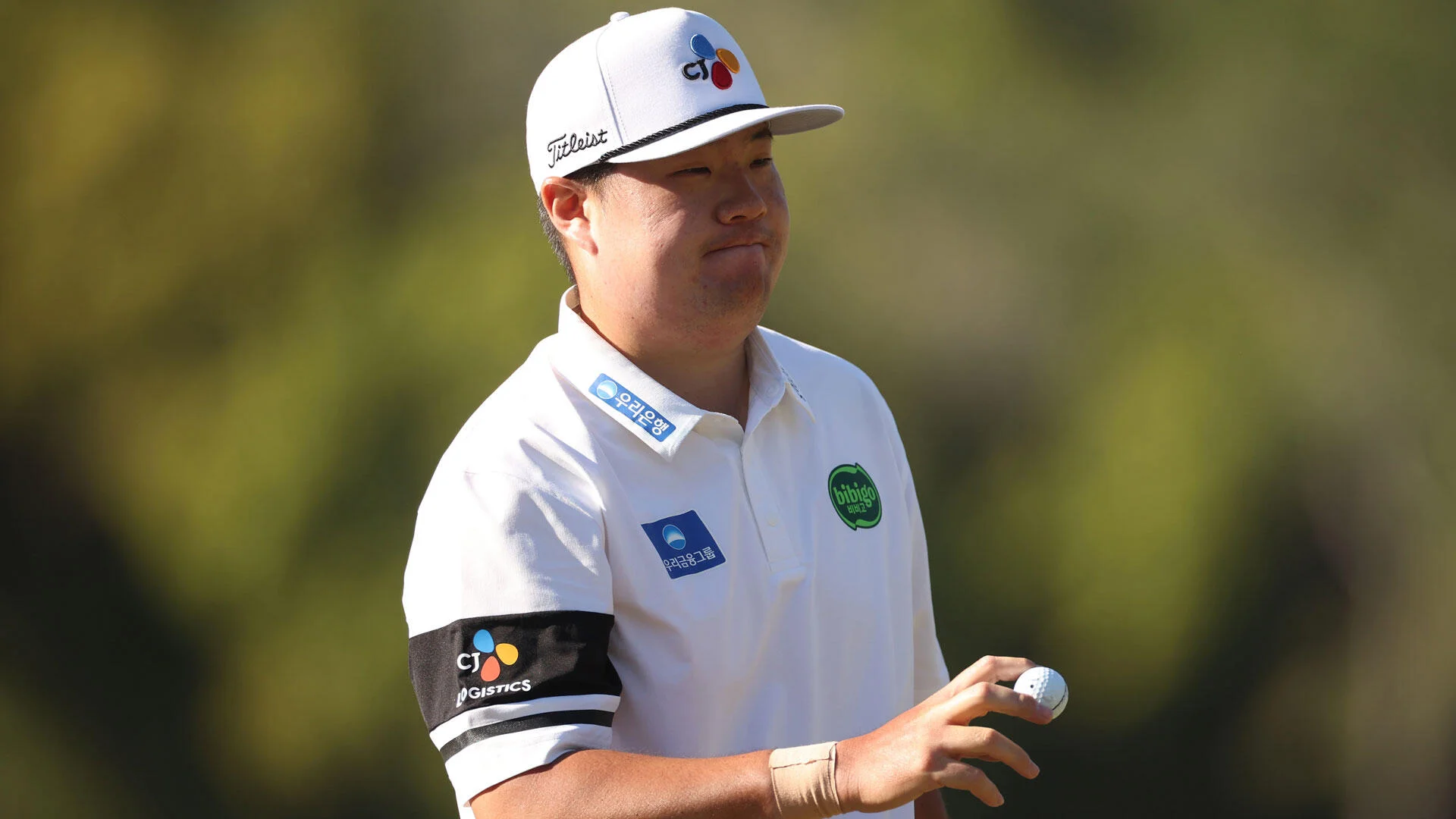
That’s what I’m watching unfold at Innisbrook this week with Sungjae Im’s performance in the Valspar Championship.
When Two Months Away Feels Like a Career
After missing two straight cuts following his return from wrist surgery, Im sits atop the leaderboard heading into Sunday’s final round at 11-under, holding a two-stroke lead over both Brandt Snedeker and David Lipsky. On paper, this looks like a straightforward tournament update. But let me tell you what’s actually remarkable here: this is a 27-year-old player in the early stages of rebuilding his game after an injury that would have derailed plenty of tour pros.
"I wasn’t able to practice for two months," Im told reporters Saturday. "So I think a lot of my shots that I didn’t like from last year I was able to, once I started practicing, I was able to correct and it’s just been consistently getting better."
What strikes me about that quote isn’t just the humility—it’s the specificity. Im didn’t just say "I’m playing better." He identified concrete mechanical issues from his pre-injury game, addressed them methodically, and the results are showing on the scorecard. That’s the work that happens away from galleries and television cameras. That’s professional golf at its most honest.
The Equipment Revolution and Snedeker’s Mallet
Don’t overlook what’s happening in the secondary storyline here. Brandt Snedeker, at 45 years old and playing on a sponsor exemption as Presidents Cup captain, switched to a mallet putter just weeks ago. Now he’s tied for second after shooting a red-hot 67 that included birdies on three of his first four holes.
I’ve covered enough tours to know that when a veteran player makes an equipment change and suddenly starts rolling putts like they did in 2018—when he won his last of nine PGA Tour titles—you’re looking at something potentially significant. Snedeker hasn’t cracked a top-10 in nearly a year. He’s not here just to be the ceremonial captain. He’s here to compete, and that new putter is giving him a genuine chance.
"Rolling the ball so good, chipping the ball so good, if I can kind of get my long game under control a little bit we’re going to have a good chance tomorrow," Snedeker said after Saturday’s round.
The fact that this 45-year-old is even in contention at a professional level speaks to something important: there’s still runway for experienced players on this tour if they’re willing to adapt and work.
The Copperhead Course: A Leveler
One element worth noting is the setup. The Copperhead course at Innisbrook is running firm and fast, which creates a different dynamic than many modern tour venues. These conditions favor precision and imagination—the kind of golf that rewards players who’ve spent time understanding how to shape shots and manage wind rather than just bombing it off the tee.
Im shot 64-69 in the first two rounds in these exact conditions. That’s not luck. That’s a player who understands how to navigate firm greens and demanding wind patterns. His front nine Saturday showcased that precision with birdies on holes 1, 7, and 8. Yes, he stumbled with bogeys on 12 and 13, but his finish told the real story:
"I was really happy that my play was good on the finishing stretch, 16 through 18," Im reflected. "And I’m really thrilled about the birdie on the final hole, and to have a two-shot lead going into tomorrow."
That final birdie on the 18th—a sweeping 13-footer that he had to commit to—is the putt you remember in these moments. It’s not the shot that wins tournaments, but it’s the kind of putt that settles your nerves heading into Sunday.
The Pressure Ahead
Here’s what I know from my decades around this game: a two-shot lead heading into Sunday is comfortable but far from insurmountable. Im is self-aware about what’s coming.
"It’s been awhile since I’ve been in the lead like this," Im said. "I’m sure I will be nervous, but the best I can do is just to play my own game."
That’s wisdom beyond his years. Too many young players try to protect a lead by playing cautiously. The best ones—the ones who win consistently—understand that playing your own game in Sunday’s final round is the only strategy that matters.
What This Means for the Tour
Matt Fitzpatrick, coming off a second-place finish at The Players Championship, is eight strokes back alongside Marco Penge. Brooks Koepka is lurking at plus-3. The field is respectable if not star-studded, but that actually works in Im’s favor. There’s no overwhelming favorite breathing down his neck.
What I’m genuinely interested in is whether Im can capitalize on this momentum to build confidence moving forward. Two PGA Tour victories by age 27—the Honda Classic and Shriners Children’s Open—suggests real talent. But consistency at the highest level requires not just talent; it requires resilience. This week is his opportunity to prove he has it in abundance.
When Sunday’s final round concludes, one of three things will have happened: Im will have claimed his third tour victory and validated his comeback, Snedeker will have proven that age and experience can still trump speed and distance in this game, or someone else will have found a way to sneak through.
Either way, what we’re witnessing is professional golf at its most authentic—players grinding through adversity, adapting their games, and fighting for something that matters. That’s always worth paying attention to.
