


The Economics of the Ryder Cup: A Deep Dive into Player Pay and Golf’s Financial Landscape
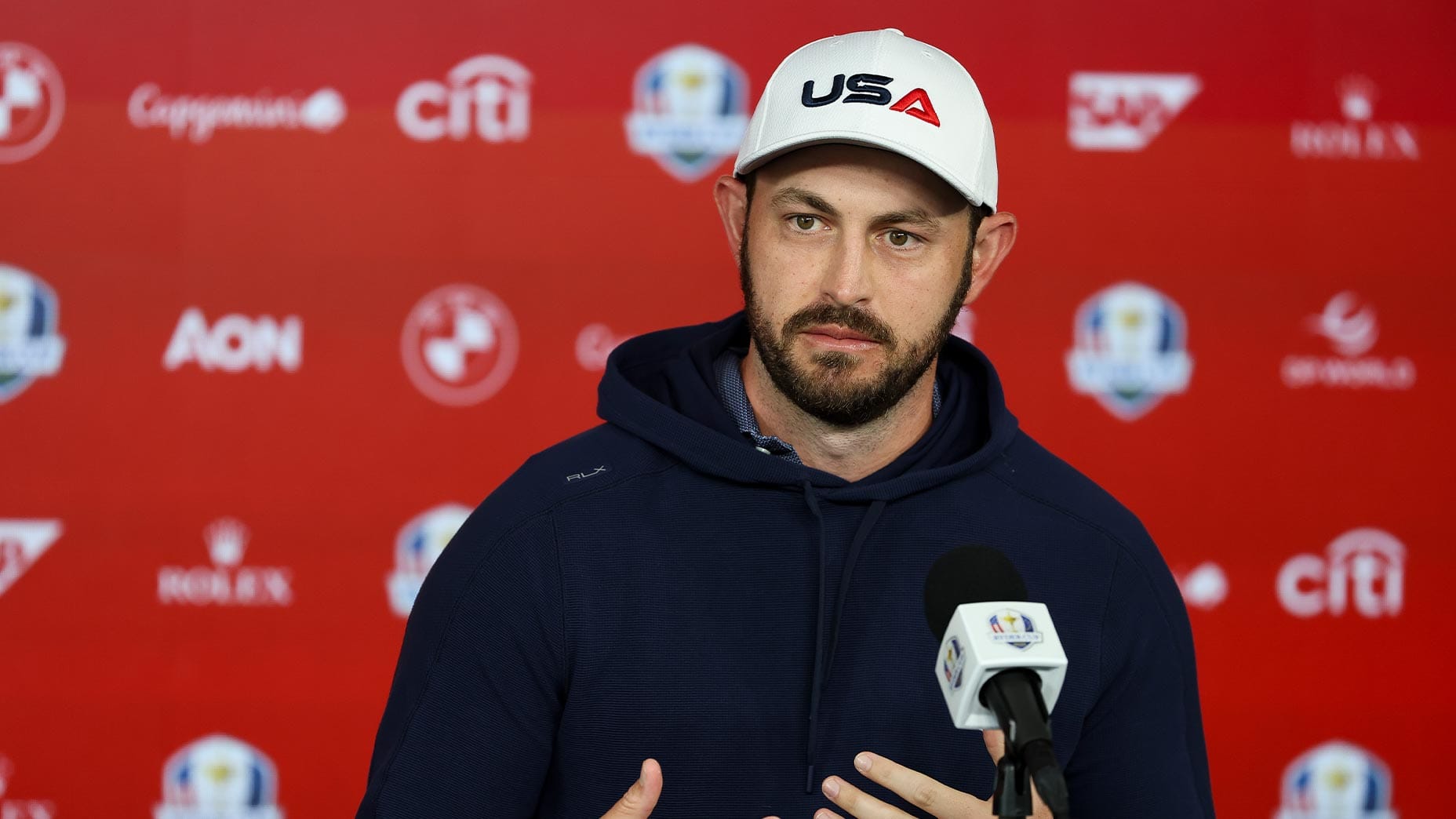
The Ryder Cup, one of the most prestigious events in golf, is back in the spotlight, not just for its fierce competition but also for the swirling controversies surrounding player compensation. This year, the cost of real estate in Farmingdale, N.Y., where the tournament is held, has reached staggering heights, mirroring the burgeoning financial debates within the sport. Notably, Patrick Cantlay, a prominent figure in the tournament, arrived wearing a Team USA hat, which raised eyebrows given his previous decision to go capless in Rome. This seemingly innocuous act ties into a larger discussion about player pay, equity, and the values of competitive sports.
As the PGA of America introduces significant financial reforms for the 2025 Ryder Cup, the American players stand to gain not just for their on-course performance but also through increased stipends and charitable contributions. Each player will benefit from an additional $300,000 for charity and a new $200,000 stipend. The contrasting approach of the DP World Tour (Europe’s governing body) is telling; they will not alter their payment practices, instead choosing to maintain a revenue-centric approach, which highlights the financial disparities between the two sides.
The shifting narratives around the Ryder Cup’s economic realities paint a dichotomy: American players are portrayed as greedy opportunists seeking financial reward, while their European counterparts are described as purists committed to the honor of the game. However, both perspectives can be overly simplistic. Each side has its arguments, yet neither addresses the core issue of fairness in player compensation.
The heart of the issue lies in a question of consistency. For a historical event as revered as the Ryder Cup, all parties involved—from players to sponsors—must commit to equitable practices. The value of the Ryder Cup transcends financial gain; it is about upholding the spirit of competition. Recent ticket pricing has drawn criticism, as they reached a staggering $750 for general admission, underscoring the growing commercialization of what was once a symbol of sporting camaraderie.
The juxtaposition of the Ryder Cup’s financial model against the Masters provides a stark contrast. The Masters, known for its accessible pricing and low-cost amenities, manages both to uphold its integrity and maintain profitability. This raises questions about the varying economic strategies in professional golf. The broader golf community is faced with inconsistencies: while some tournaments maintain a focus on fan experience and affordability, others prioritize revenue generation at the expense of tradition.
Despite the profiteering observed in contemporary golf, the underlying issue is not about players caring more for money than for the game. Instead, it revolves around the collective responsibility to foster an environment where golf can flourish. Money should not dictate the integrity of sport; it should instead allow for greater investment in the future of golf and its fans.
The high costs associated with the Ryder Cup extend beyond ticket prices. Attendees face exorbitant costs for food, parking, and merchandise. This reinforces the notion that an imbalance exists between the values espoused by the Ryder Cup and the reality experienced by fans. In stark contrast, the Masters offers an experience steeped in tradition, ensuring that the narrative around the event remains rooted in respect for the game and its history.
Looking forward, the conversation surrounding the economics of golf needs to shift focus. Rather than vilifying players for pursuing fair compensation, we should advocate for a unified approach to ensure that all stakeholders uphold the integrity of the sport. The conversation must start with a fundamental commitment to equality; after all, whether in golf or real estate, location and values matter.
Ultimately, the evolution of player compensation in the Ryder Cup should serve as a catalyst for meaningful dialogue about the future of professional golf. As the event progresses, all involved—players, governing bodies, fans, and sponsors—must strive for a unified vision that respects both tradition and the need for fair financial practices, leading to a thriving and equitable future for the sport.
