


Hello, Daily Duffer readers! Sarah Chen here, and I’m thrilled to be back sharing some insights from the world of professional golf that you can apply to your own game. This week, as the PGA Tour descends upon the challenging Champion Course at PGA National for the 2026 Cognizant Classic, our GolfWRX team is on site, giving us a sneak peek into what the best players in the world are doing to prepare. And you know what? A lot of it comes back to the fundamentals.
The Champion Course, with its infamous “Bear Trap,” demands precision, especially around the greens. While we often fixate on the full swing, the pros know that scoring happens in the short game. What I’ve seen from the coverage of the practice putting green and range has really underscored the importance of putting. It’s a part of the game where consistency and confidence can truly transform your scorecard.
“GolfWRX is on site for the proper early-season test, surveying the putting green and practice range for what’s new (including some fresh L.A.B. Golf putters) and interesting in the world of WITBs and gear.”
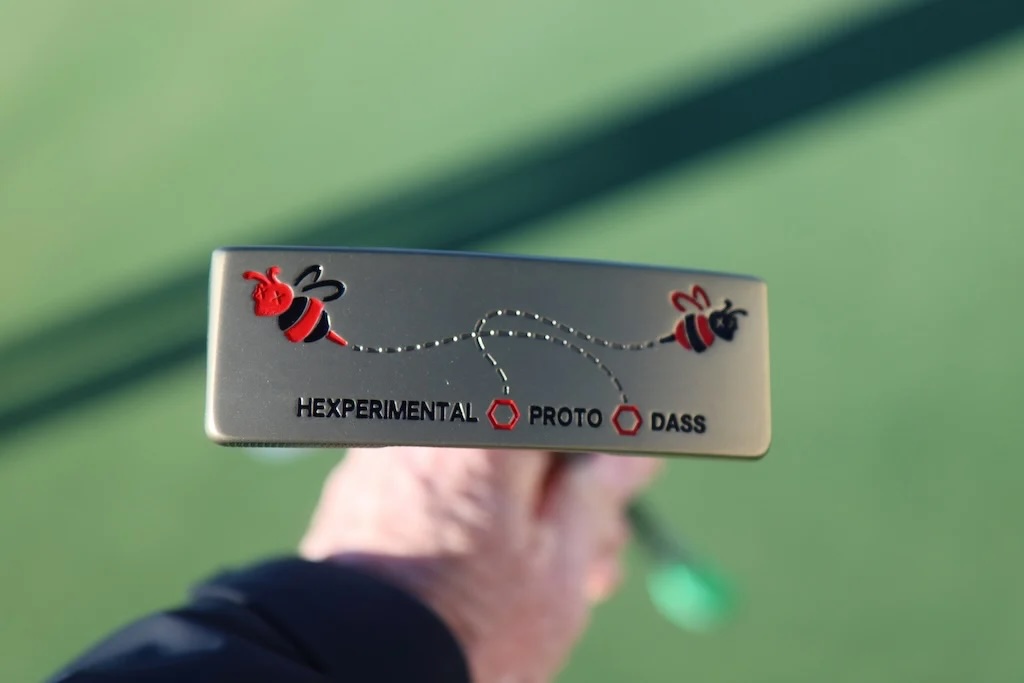
It’s always fascinating to see what new gear players are testing, and it looks like there’s a lot of focus on putters this week, with players like Hank Lebioda testing Bettinardi putters, and the new L.A.B. Golf Link.2.1 & 2.2 putters making an appearance. While new equipment can certainly help, the core principles of great putting remain timeless. Let’s dive into how you can improve yours.
The Foundation of a Consistent Putting Stroke
The best putters in the world share a few key characteristics: a stable base, consistent tempo, and a clear understanding of their line. It sounds simple, but achieving this under pressure is where the practice comes in. In my teaching experience, many amateurs overlook the stability of their lower body and head during the putting stroke. Any unnecessary movement can throw off your path and face angle, leading to missed putts.
“Pullout Albums…New L.A.B. Golf Link.2.1 & 2.2 putters – 2026 Cognizant Classic”
This focus on new putters at the Cognizant Classic tells me that even the pros are constantly looking for an edge, and often that edge comes from ensuring their equipment perfectly complements their stroke. But even with the newest putter, a shaky stroke won’t yield results. Let’s build that stability together.
Drill 1: The “No-Look” Stability Drill
This is a drill I teach to many of my high-level amateurs. It helps you feel what a truly stable putting stroke is like. Set up for a short putt (3-5 feet). As you take your address, find a specific spot on the ground a few inches in front of your ball – perhaps a blade of grass or a dimple – and stare at it intently. Do not look up at the hole during or immediately after your stroke. Your goal is to keep your eyes fixed on that spot until you hear the ball drop into the cup. This forces your head and upper body to remain quiet, minimizing unnecessary movement and promoting a more consistent path.
Why it works: By removing the temptation to watch the ball, you’re training your body to maintain a stable impact position. Most missed short putts come from lifting the head too early, which causes the putter face to open or close, and the path to deviate. Practicing this will build the muscle memory for a quiet, stable putter head.

Drill 2: The Coin Tempo Drill
Consistency in putting isn’t just about direction; it’s also about speed. A consistent tempo helps you control distance, especially on longer putts. For this drill, place two coins on your putter face – one at the toe and one at the heel. Your goal is to make strokes without either coin falling off. Start with short strokes and gradually increase the length, always maintaining control. The key is a smooth, unhurried backstroke and follow-through, where the putter head accelerates naturally through impact.
Why it works: This drill immediately highlights any jerky movements or changes in tempo. If a coin falls, you know your stroke wasn’t smooth. It teaches you to accelerate through the ball rather than decelerate or “stab” at it. This smooth acceleration is crucial for consistent speed control and getting the ball to roll end-over-end.
“See what GolfWRXers are saying and join the discussion in the forums.”
The community aspect of golf, whether it’s discussing new gear or sharing practice tips, is fantastic. Remember, even the pros are always refining their game. Just like Kris Ventura, David Lipsky, and Taylor Moore are constantly analyzing their “What’s In The Bag” (WITB) to gain an edge, you too can analyze your putting stroke to find areas for improvement.

Practice with a Purpose
When you head to the practice green, don’t just hit putts aimlessly. Have a plan. Dedicate specific time to these drills. Start with short putts to build confidence and reinforce good mechanics, then slowly expand your practice to longer putts, focusing on speed control. I often tell my students that even 15-20 minutes of focused putting practice a few times a week can make a dramatic difference. You’ll not only see fewer three-putts but gain a valuable sense of confidence that spills over into your entire game.
Remember, golf is a journey of continuous improvement. Embrace the challenge, stay positive, and apply these fundamentals, and you’ll be knocking those putts in with newfound consistency.
