


Ah, the magic of a well-named golf hole. It’s more than just a label; it’s a whispered promise, a sly warning, or perhaps a nod to history that imbues a stretch of turf and sand with a certain gravitas. While the grand, multi-hole epics like Amen Corner and The Bear Trap rightfully capture our imaginations, there’s a particular delight in encountering an individual hole so perfectly christened that its name speaks volumes before you even set foot on the tee. These monikers, as the source article rightly points out, can “foreshadow the challenges ahead,” reflect “specific architectural elements,” or even pay homage to “historical events.”
The Art of the Apt Alias: When a Name Truly Fits the Design
I’ve had the privilege of walking over 200 courses worldwide, from the windswept links of the British Isles to the desert oases of the American Southwest. In that time, I’ve developed a keen eye, and a deeper appreciation, for how a truly special golf hole is crafted, and how sometimes, the simplest name can elevate its stature. Today, I want to take you on a journey to a few of these singular holes, where the name isn’t just a convenience, but an integral part of the design narrative.
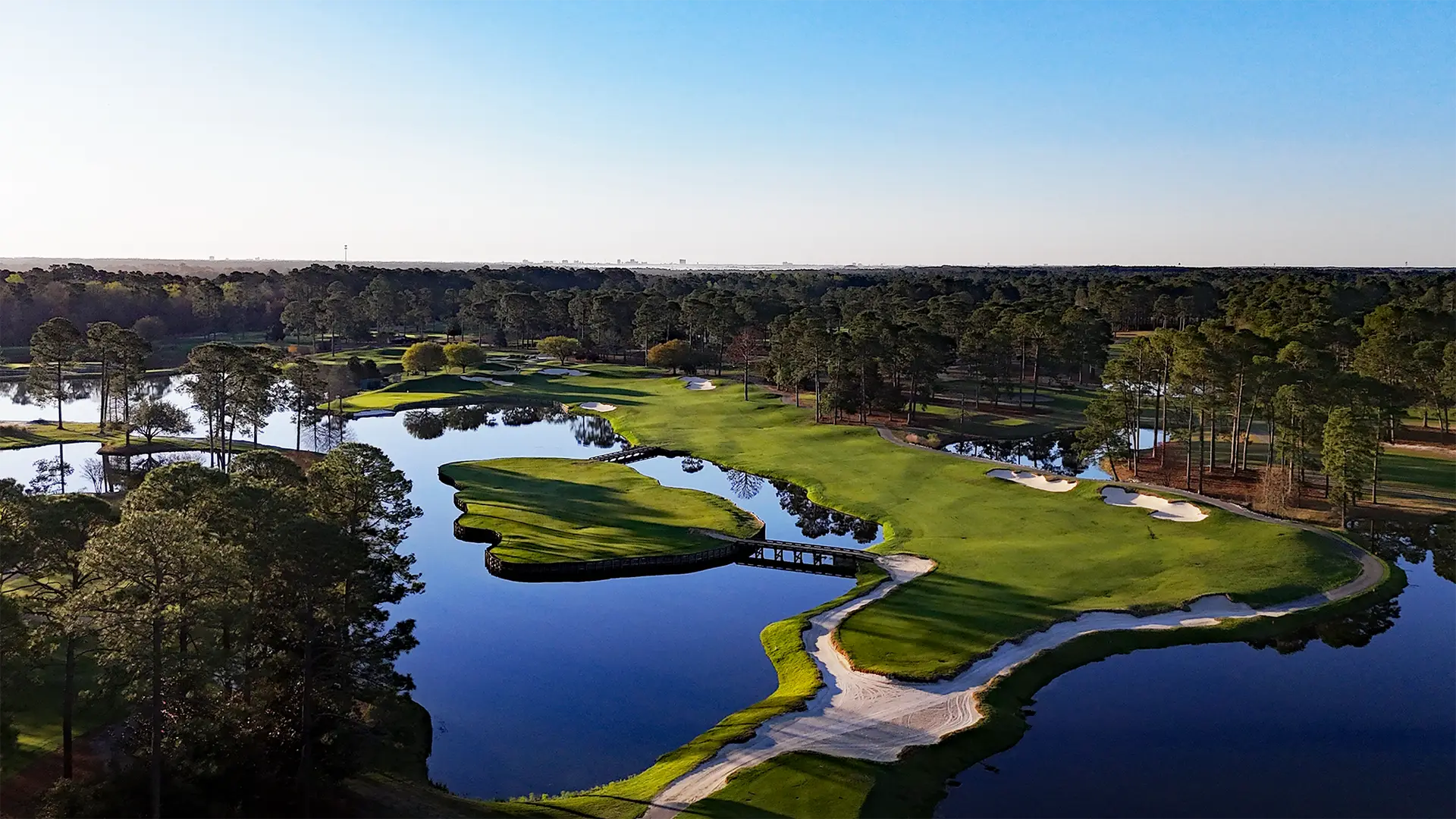
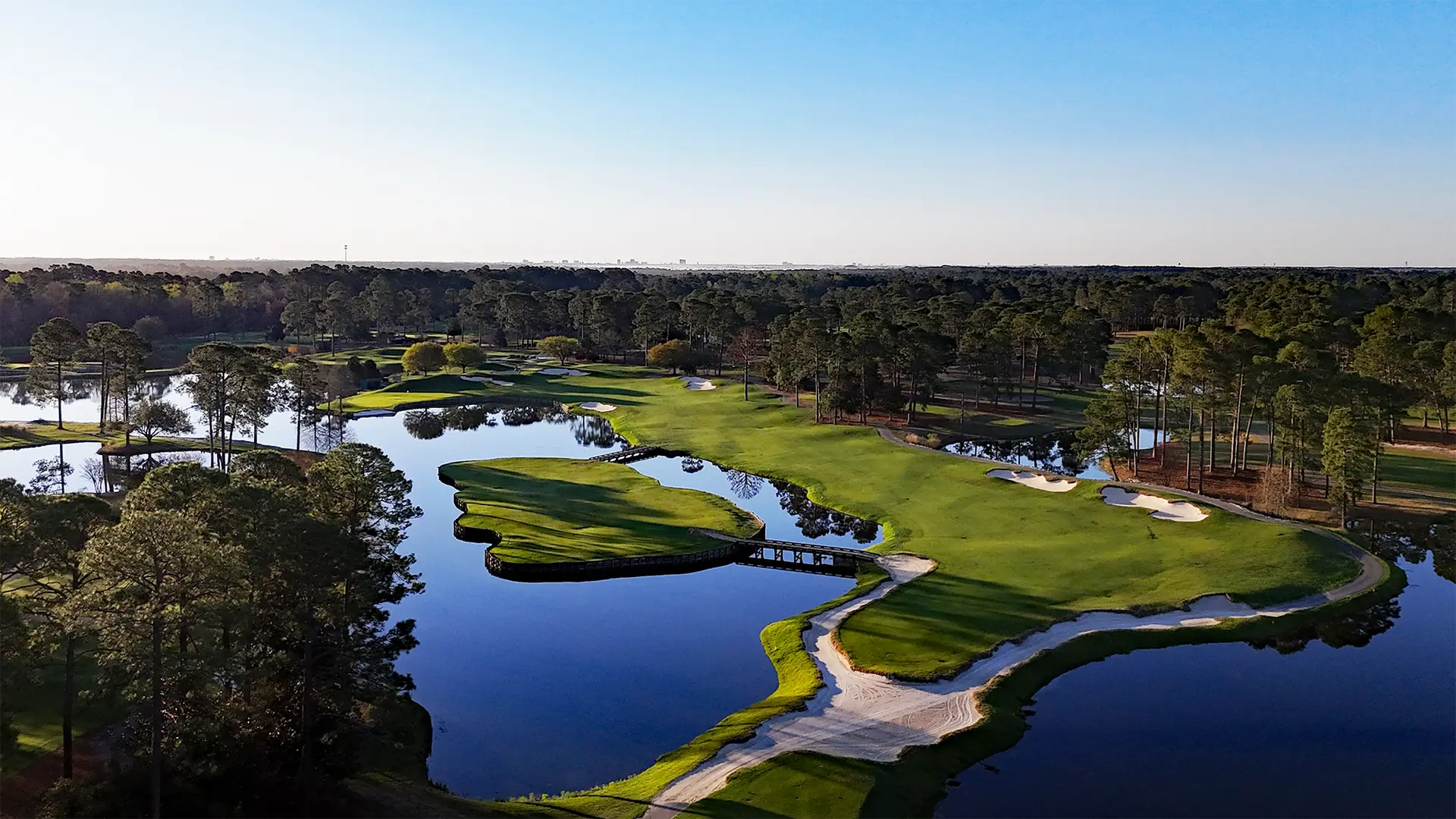
Let’s begin in the heart of Myrtle Beach, where Robert Trent Jones Sr.’s King’s North layout at Myrtle Beach National offers a tantalizing proposition on its 6th hole. Dubbed “The Gambler,” this par-five epitomizes strategic risk-reward architecture. From the tee, a primary, comparatively safer landing area stretches out. But then, there it is: a secondary, island fairway, a beacon of ambition shimmering across a watery expanse to the left. The allure is undeniable.
“Those who live dangerous and take aim at that island fairway might have only 150 or 160 yards into the green, but such a tee shot comes with plenty of risk—hence, this hole’s name: The Gambler.”
I’ve stood on that tee box, the driver clutched in my hand, and felt the magnetic pull of that island. It’s a classic Jones Sr. move, framing a bold path against a safer one, forcing a decision that can dramatically alter your score. This isn’t a hole where brute strength alone triumphs; it’s a thinking golfer’s paradise, or perhaps, a gambler’s ruin. The name is not merely descriptive; it’s prescriptive, daring you to take the plunge.
From the sun-drenched low country, we venture to the dramatic desert landscapes of Scottsdale, Arizona, where Troon North’s Monument course begins with an intriguing architectural puzzle: the 1st hole, aptly named “Hidden Green.” From the elevated tee box, the fairway seems to stretch invitingly. However, it’s only a sliver of the putting surface that reveals itself, a trick of the routing and topography that sets the stage for a memorable round.
“Because the fairway is slightly recessed, players will only be able to see the front right section of the putting surface, and that sliver of the dance floor doesn’t even begin to tell the story of the green complex’s shape or its contours.”
This is classic desert golf, where the visual deception plays a significant role. Tom Weiskopf and Jay Morrish, the architects behind Monument, understood how to use the natural contours to create interest and challenge. The green complex itself, bisected by a substantial slope, is where the “hidden” aspect truly comes alive. Aiming for the perceived center can leave you with a treacherous putt, especially if the pin is tucked on the higher, unseen left portion. It’s a brilliant way to introduce a course, immediately demanding precision and strategic thinking from the very first shot.

Finally, let’s journey back across the Atlantic to the ancient birthplace of golf, St. Andrews. While the 17th, the Road Hole, is rightly lauded for its fearsome reputation, I find myself drawn to the humble grandeur of the 18th hole on the Old Course. Many assume it nameless, but it bears a most fitting title: “Tom Morris.”
This name isn’t about a specific challenge or an architectural flair in the way “Hidden Green” or “The Gambler” are. Instead, it’s a deep bow to history and the very soul of the game. Old Tom Morris, a four-time Open Champion and the course’s long-time greenskeeper, is inextricably linked to St. Andrews. His influence is felt on every corner of the Old Course, particularly on this final green, which he himself shaped and reportedly considered one of his finest works. Stepping onto that hallowed ground, with the R&A clubhouse looming and the town of St. Andrews embracing it, the name “Tom Morris” resonates with generations of golf. It’s a reminder that even the most famous courses derive their character from the hands that shaped them, and the giants who walked their fairways.

These individual hole names are more than just geographical markers; they are distillations of the holes’ essence. They offer a glimpse into the architect’s intention, the challenges they present, and sometimes, the very history etched into their turf. To truly appreciate a golf course, one must understand not only the routing and the contours but also the stories it tells, and often, those stories begin with a perfectly chosen name.
