


Morikawa’s Return: What a 28-Month Drought Teaches Us About Modern Golf
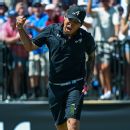
There’s something humbling about watching a two-time major champion nearly lose a tournament while waiting on the 18th fairway at Pebble Beach. For 20 minutes—yes, I counted—Collin Morikawa paced back and forth, trying to stay loose, trying to stay warm, trying desperately not to think about the 4-iron he’d soon have to hit into the Pacific wind with a championship hanging in the balance.
In 35 years covering this tour, I’ve seen plenty of manufactured drama. But this was the real thing. And it reminded me why I still love this game.
The 28-Month Question
Let’s start with the elephant in the room: Morikawa hadn’t won in 45 PGA Tour starts since October 2023. That’s not just a drought—that’s a concerning stretch for someone of his caliber. The guy has won major championships. He’s a world-class player. Yet here he was, Sunday afternoon at Pebble, having to prove he still had it.
I think what we’re witnessing with Morikawa is symptomatic of something bigger happening on tour right now. It’s not about talent. It’s about the mental burden of technique-obsessed golf in 2026. The quote that jumped out at me came when Morikawa talked about his new outlook: he’s trying to play for joy, not technique. That’s not throwaway comment material—that’s a philosophical shift.
“There’s so much to life, there’s so much to enjoy,” he said.
I’ve caddied, I’ve covered thousands of rounds, and I can tell you this: the players who win consistently aren’t the ones thinking about their swing plane on Sunday afternoon. They’re the ones who’ve made peace with the process. Morikawa finding that peace matters more than the trophy itself.
Scottie’s Comeback That Wasn’t Quite
Now, Scottie Scheffler. Let me be clear: what he did Sunday was genuinely spectacular, even though it didn’t result in a win. He started eight shots back. Eight. By the turn, he was 7-under for the round with three eagles already in the bag. He finished with a 63—the kind of score that wins most tournaments at most times.
What strikes me about Scheffler’s performance is how it illustrates the gap between exceptional and dominant. His streak of 18 consecutive top-10 finishes on the PGA Tour is absurd—we’re talking about a level of consistency that suggests he’s operating on a different plane. But here’s the thing: consistency doesn’t always equal wins when you’re playing catch-up. Morikawa played more patient golf, more strategic golf, and it paid off when it mattered.
Scheffler himself acknowledged the gap. He finished tied for fourth with Tommy Fleetwood after being 13 shots back at one point. That kind of charge is admirable, but it also speaks to how difficult it is to win major tournaments from deep deficits, even for the world’s best players.
The Numbers That Matter
Morikawa’s Winning Statistics:
- Final Score: 22-under 266 (tied lowest winning total at Pebble Beach)
- Final Round: 67 (5-under)
- Margin of Victory: One shot over Sepp Straka and Min Woo Lee
- Tour Wins Since Turning Pro (2019): 7
- World Ranking After Win: No. 5
That 22-under total ties Brandt Snedeker’s 2015 mark. It’s the kind of scoring that reflects both Morikawa’s exceptional play and favorable conditions early in the week. The final round on Sunday—the windiest of the tournament—was where the championship was actually decided, not in the benign conditions of Friday and Saturday.
Akshay Bhatia’s Quiet Collapse
I don’t want to dwell on this, but it’s worth noting: Bhatia led by two shots heading into Sunday and closed with a 72. Only two birdies over his final 29 holes. That’s not a collapse born of dramatic failure—that’s what happens when a young player, 54-hole leader in a major event, gets caught thinking about winning instead of playing.
This happens to talented players, especially the younger ones who haven’t won enough yet to understand how to manage the emotional weight of being in position. Bhatia finished three back. Next time he’s in this spot, he’ll know what to expect.
The Personal Angle That Makes This Matter
But here’s what really got me about this tournament: Morikawa announced he and his wife are expecting their first child this spring. That’s not separate from his victory—it’s central to understanding it.
I’ve been around players long enough to know that life milestones and golf performance are deeply intertwined. The players who can balance personal joy with competitive drive tend to play freer golf. They’re not swinging for their identity; they’re swinging because they love it. That’s exactly what Morikawa said he’s been working on—and it showed Sunday.
What This Means Going Forward
For Morikawa, this win stops the bleeding. It breaks the 28-month drought and reestablishes him as a top-tier player. At No. 5 in the world, he’s back in the conversation. But more importantly, he’s found something philosophical about the game that, I suspect, will lead to more wins.
For the tour, Morikawa’s resurgence is a reminder that depth of talent remains extraordinary. Six players shared the lead at various points Sunday. That’s competitive golf at its finest—not dominated by one or two names, but genuinely wide-open.
The 2026 season is starting to tell an interesting story. And this one at Pebble Beach? It’s a chapter worth remembering.
