


Ah, the magic of a perfectly named golf hole. We’ve all encountered them—those stretches of turf, sand, and water where the moniker itself hints at the trials and triumphs awaiting our golf ball. While the likes of Amen Corner or the Bear Trap loom large in golf lore, I’ve always found a particular fondness for the individual holes that earn their nicknames through sheer architectural genius or a compelling historical narrative. It’s a testament to how deeply the game is intertwined with its playing fields, each hole a character with its own story.
The architects I admire most, from Alister MacKenzie to Pete Dye, understood this intrinsically. They didn’t just move earth; they crafted experiences, and sometimes, those experiences were so vivid they demanded a name. The source article provided a fantastic tour of nine such holes, a collection I found myself nodding along with, recalling my own moments of triumph and, more often, despair on some of these very grounds. Let’s delve into a few that truly speak to the soul of design, starting with a bold gambit in the heart of Myrtle Beach.
The Gambler at Myrtle Beach National (King’s North)
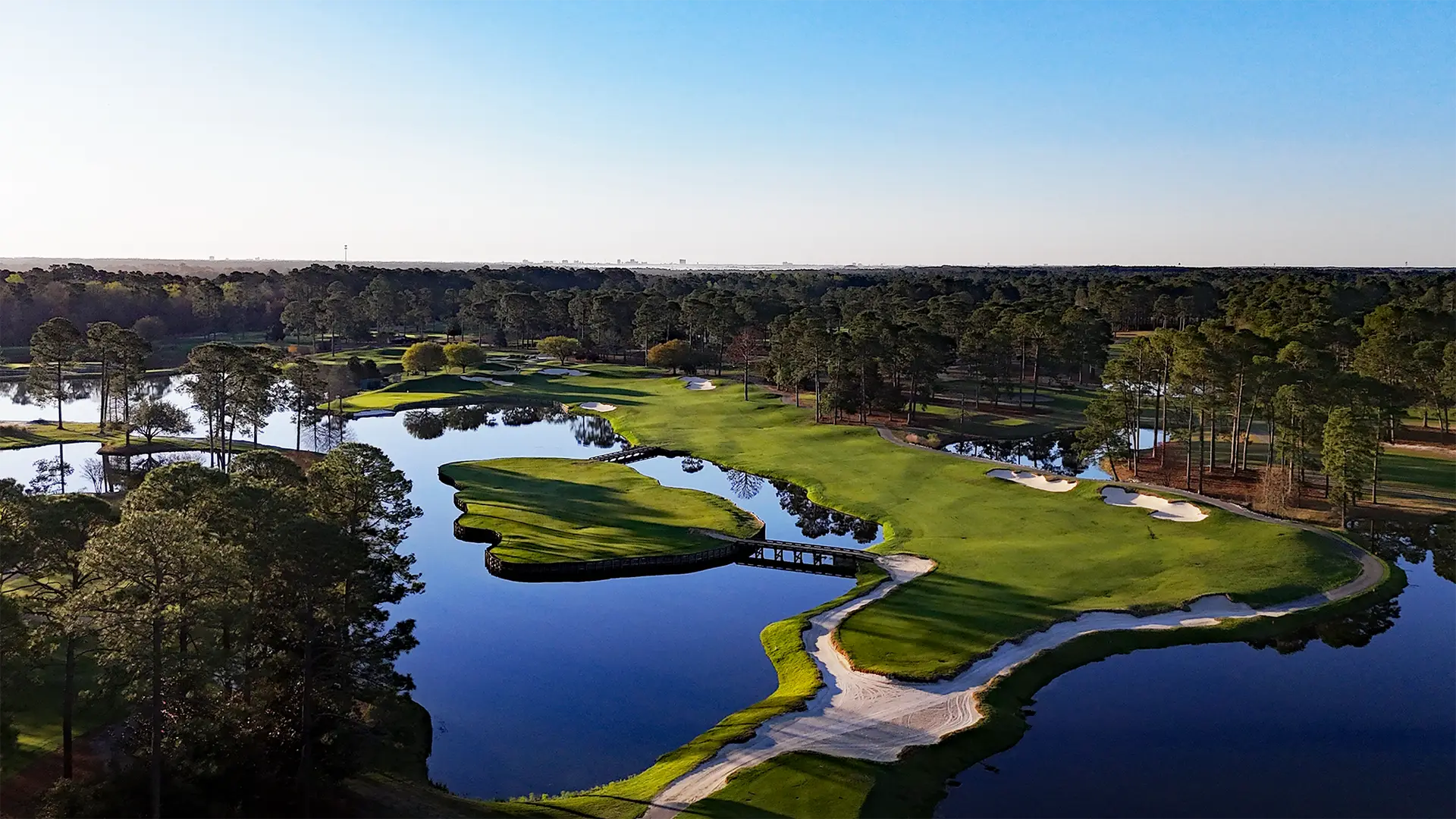
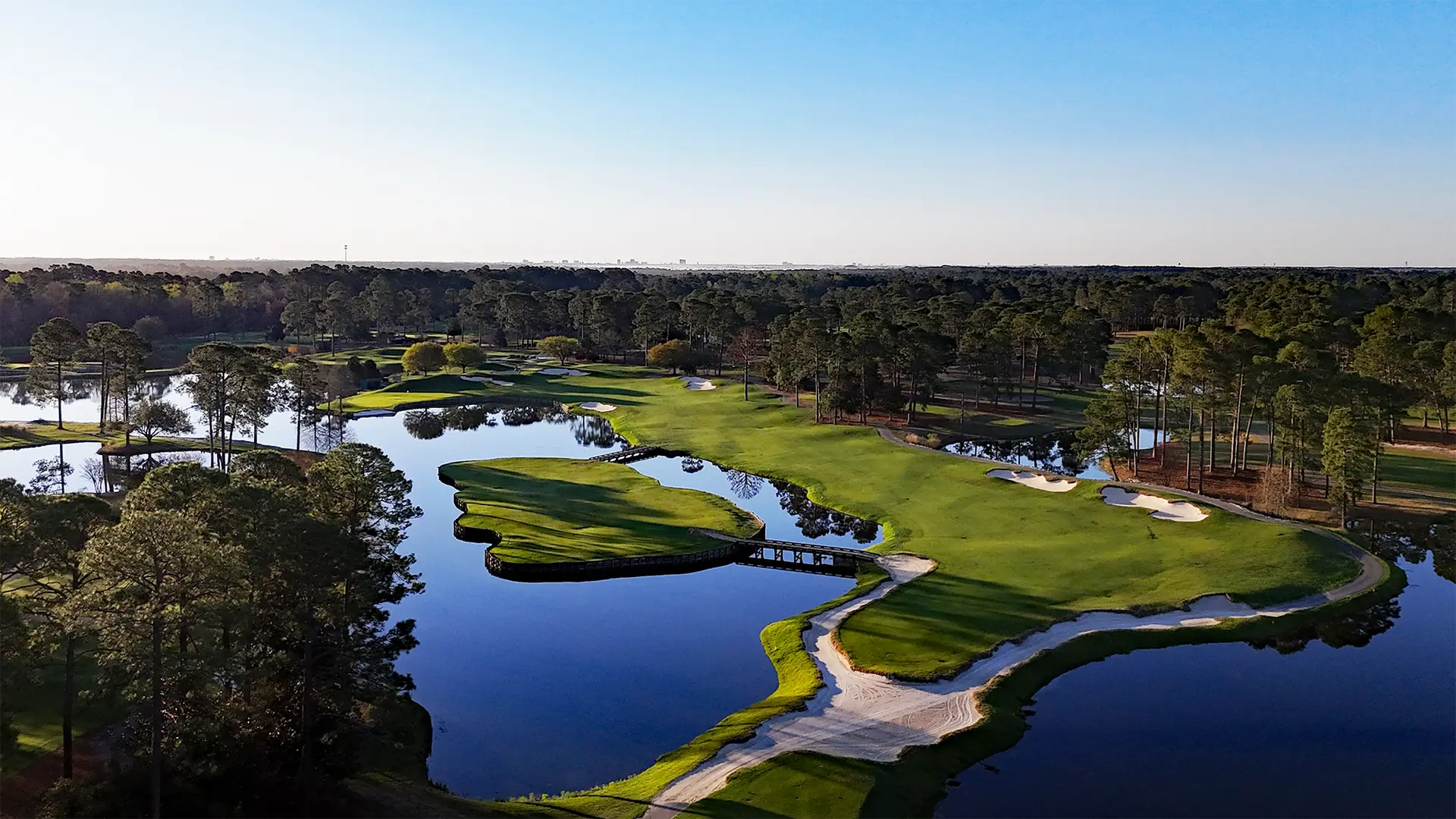
Myrtle Beach is often synonymous with golf, a kaleidoscope of courses, but King’s North offers something truly special, particularly on its 6th hole. When I first studied the course map for King’s North, the dual fairway concept on “The Gambler” immediately piqued my architectural curiosity. It’s a risk-reward par-five designed to make you hesitate, to weigh ambition against prudence. Most par fives offer the chance to reach in two for the long hitter, but this hole presents a unique proposition for the average player.
“Those who live dangerous and take aim at that island fairway might have only 150 or 160 yards into the green, but such a tee shot comes with plenty of risk—hence, this hole’s name: The Gambler.”
The genius here isn’t just in the island fairway itself, but in the psychological game it plays. To land on that strip of green isolated by water, you need a precise, confident drive. Succeed, and you’re left with a glorious short iron approach to a par five. Fail, and you’re reloading, watching your score spiral. It’s a perfect architectural embodiment of its name, giving everyone, not just the tour pros, a chance to feel that adrenaline surge. The primary fairway is certainly safer, but where’s the fun in that? It’s a beautiful example of how an architect can manipulate a player’s decision-making with a savvy layout.
Calamity Corner at Royal Portrush (Dunluce)
Journeying across the Atlantic, we arrive at the rugged and windswept Dunluce Links at Royal Portrush, a course that oozes ancient linksland charm. The 16th hole, “Calamity Corner,” is a masterpiece of natural intimidation. Having played many of the world’s great links courses, rarely have I encountered a par-three so utterly defined by the chasm it demands you cross. This isn’t just a carry; it’s a statement, a defiance of the landscape. At 236 yards from the back tees, over that yawning ravine, it asks for heroism.
“Miss short and right, and there’s a good chance you’ll be lying at least three by the time your ball comes to rest on the putting surface. If you want to avoid a calamity on your scorecard, follow the yardage guide’s advice and “take plenty of club and hit for the back left of the green.””
The name isn’t hyperbole; it’s a stark warning. Pete Dye often manufactured drama, but here, nature supplied it, and the course architect knew precisely how to frame it. The green itself is substantial, but its contours and the sheer drop-off to the right create an immense pressure point. What I love about “Calamity Corner” is its raw honesty. There’s no hiding from the challenge. You either have the shot, or you face the consequences, a true linksland baptism by fire. It stands as a testament to how even without water, a landscape can present an unforgettable, daunting obstacle.

Tom Morris at St. Andrews (Old Course)
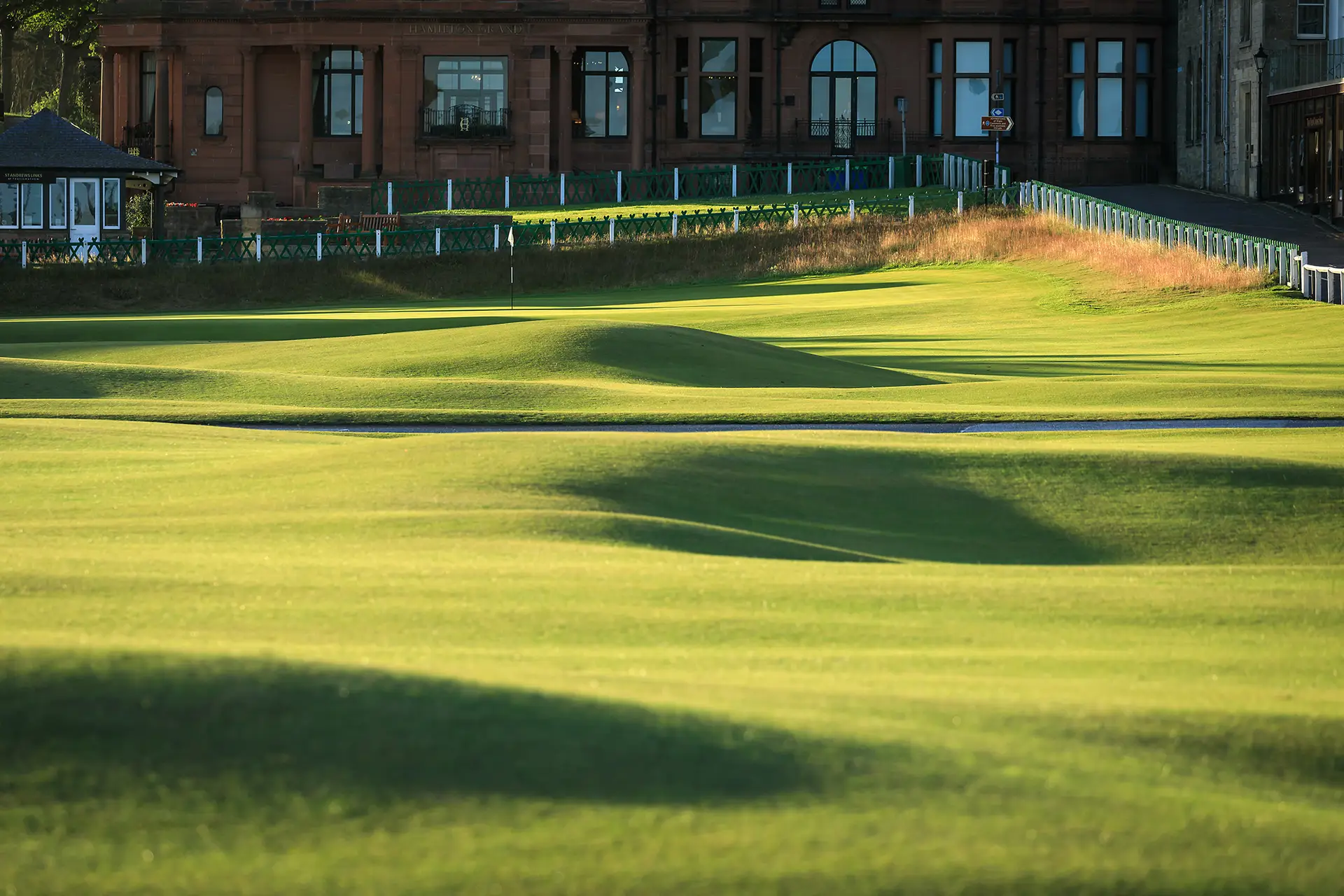
The Old Course at St. Andrews needs no introduction; it is quite simply the birthplace of golf. And while the 17th, the Road Hole, captures much of the dramatic attention, I’ve always found the 18th, “Tom Morris,” to be a supremely satisfying close to any round here. It’s less about a fearsome challenge and more about embracing history and strategic subtlety. The home hole, a par four, sprawls generously wide, tempting you to unleash a final, heroic drive. But this is the Old Course, and nothing is ever as straightforward as it seems. The Valley of Sin, that infamous dip before the green, extracts its tithe from many a hopeful birdie putt.
“After all, the course’s longtime greenskeeper once worked out of a shop adjacent to the hole’s putting surface. (That commercial space is now the official retail shop for the Open Championship.) Additionally, Morris shaped the closing hole’s green, and, as legend has it, he considered it one of his finest works.”
Old Tom Morris’s influence on the Old Course is immeasurable. The fact that the final green, the grand stage for so many Open Championship finishes, is attributed to his design vision for the course’s greens, makes the name profoundly fitting. It’s a beautiful, gentle nod to the man who shaped so much of the game we cherish. The strategy on this hole is less about dodging hazards and more about understanding the nuances of links golf – playing the ground, anticipating the roll, and navigating the subtle contours of a green perfected by a master. Every time I walk off that final green, past the R&A clubhouse, I feel the weight of history and the undeniable genius of Old Tom’s touch.
These holes, whether challenging or reverential, all share a common thread: their names aren’t arbitrary. They are concise architectural analyses, historical markers, and often, emotional premonitions. The best course designs don’t just provide a path to the hole; they tell a story, and a well-chosen name is the perfect title for each chapter. As a golf course architect enthusiast, these are the details that linger long after the final putt, reminding me that every golf course, and every hole within it, holds a unique and powerful narrative.
