

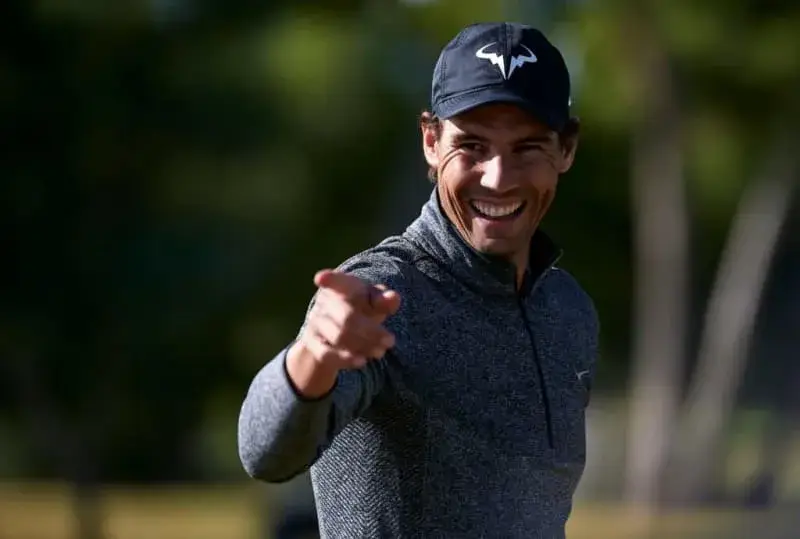

When Tennis Royalty Comes Knocking: What Nadal and Alcaraz Tell Us About Golf’s Growing Allure
After 35 years watching golfers break down on the back nine, I’ve learned to recognize genuine passion when I see it. And I’m seeing something genuinely interesting happen right now—one of the greatest athletes to ever live is publicly wrestling with whether he’s good enough to step onto a pro-am tee.
Rafael Nadal, fresh off retirement from tennis, has apparently turned down multiple invitations to play in golf events. Not because he’s too busy—the man’s got time now. Not because he doesn’t love the game. He watches it religiously. No, Nadal won’t accept those invites because he’s waiting for the day when he feels he can compete without embarrassing himself. That’s fascinating. That’s also deeply revealing about the respect professional golf commands, even from those who’ve conquered every other mountain.
The Confidence Gap
Here’s what strikes me about Nadal’s position: he’s 39 years old, a 22-time Grand Slam champion, an athlete who’s literally won nearly everything in his sport. Yet he’s expressing genuine self-doubt about golf. In my experience as a caddie for Tom Lehman back in the ’90s, and covering the tour ever since, I’ve watched plenty of celebrities and accomplished athletes show up to pro-ams thinking their competitive pedigree translates automatically to golf.
It usually doesn’t. Golf humbles everyone equally.
What Nadal said reveals something most casual fans don’t appreciate about our game:
> “I was sometimes tempted to play, because several times they wanted to give me an invitation. But so far, circumstances have not arisen. In the future, you never know, but I should feel like I’m playing without making a fool of myself and with the illusion of being able to at least compete, even if it’s only with myself.”
That last phrase—”compete, even if it’s only with myself”—that’s not humility theater. That’s the mindset of someone who understands what it means to truly compete. Nadal knows the difference between showing up and actually belonging. He’s not interested in the former.
A Different Approach From the Next Generation
Meanwhile, his sport’s current alpha, Carlos Alcaraz, is taking a markedly different path. The 23-year-old, already holding seven Grand Slams, doesn’t seem to be wrestling with the same internal debate. Alcaraz started playing golf seriously in 2020 and has embraced it with what sounds like genuine joy rather than competitive anxiety.
According to recent comments, Alcaraz explained his love for the game pretty directly:
> “I started to play at the beginning of 2020. I just love playing. I used to go to hit some balls in the driving range when I was really, really young. I liked it, but since 2020, I just started to play more, to go on the course, to play some holes. I just fell in love with golf. I started to play more and more. I saw myself improving, so it engaged me even more to the golf, and it has me. I just feel really peaceful when I go out and play some golf on the golf course.”
Notice the language: peaceful. Engagement. Improvement as motivation. This is someone who’s found something purely for the love of it, not to conquer it. That’s actually healthier, and—if I’m being honest—more sustainable for his tennis career. The best athletes know when to compete and when to simply enjoy.
What This Trend Actually Means
Over three decades of covering this game, I’ve watched the relationship between other sports and golf evolve. Yes, athletes have always golfed. But the current wave of legitimate passion from world-class tennis players? That feels different. These aren’t guys playing 18 holes on a sponsor obligation. They’re making genuine commitments to improving, watching tournaments intently, actually thinking about whether they could play competitively.
I think this reflects something positive about where golf sits in the sporting landscape right now. We’re not a consolation prize anymore. We’re not what athletes do when they retire out of boredom. We’re becoming something elite performers actively choose because the game itself demands respect and offers genuine challenge. That’s worth noting.
The increased visibility of golf—from LIV’s massive purses to the PGA Tour’s reinvention—means more world-class athletes are paying attention. When someone like Nadal or Alcaraz watches golf “every week,” that’s not casual consumption. That’s study. That’s respect.
The Honest Assessment
I won’t pretend there isn’t a commercial angle here. A pro-am appearance by Nadal would generate significant interest and media value. The tours know this. That’s why they extended invitations. But what interests me more is Nadal’s pushback against the easy path. He’s setting a standard for himself that honestly reflects how seriously he takes the game.
Having spent time with top touring professionals, I can tell you: that’s the same mentality that separates great competitors from also-rans. Nadal gets it. He understands that showing up is different from belonging, and he’s not interested in the former until he’s earned the latter.
As for Alcaraz, his approach offers a valuable counterpoint. Not everything needs to be about conquest. Sometimes the best thing an elite athlete can do is find something pure—something that offers challenge without the burden of legacy, joy without the weight of expectation. If golf can be that for him while he’s still dominating tennis, then golf wins. We get to watch someone genuinely great develop genuine love for the game, without the pressure cooker of professional obligation.
That’s not a bad deal for our sport at all.
