


Tackling Slow Play: PGA Tour’s New Approach to Pace of Play
Introduction to Pace of Play in Professional Golf
The PGA Tour has long faced criticism for the issue of slow play, which not only frustrates players but also disrupts the flow of tournaments. In a bid to tackle this persistent problem, the Tour has adopted a strategic approach that seems progressive, even revolutionary. The stakes have been raised for professional golfers as the PGA Tour introduces a new level of transparency around this issue, making it a focal point of discussion among fans and analysts alike.
The BMW Championship: A Case Study in Slow Play
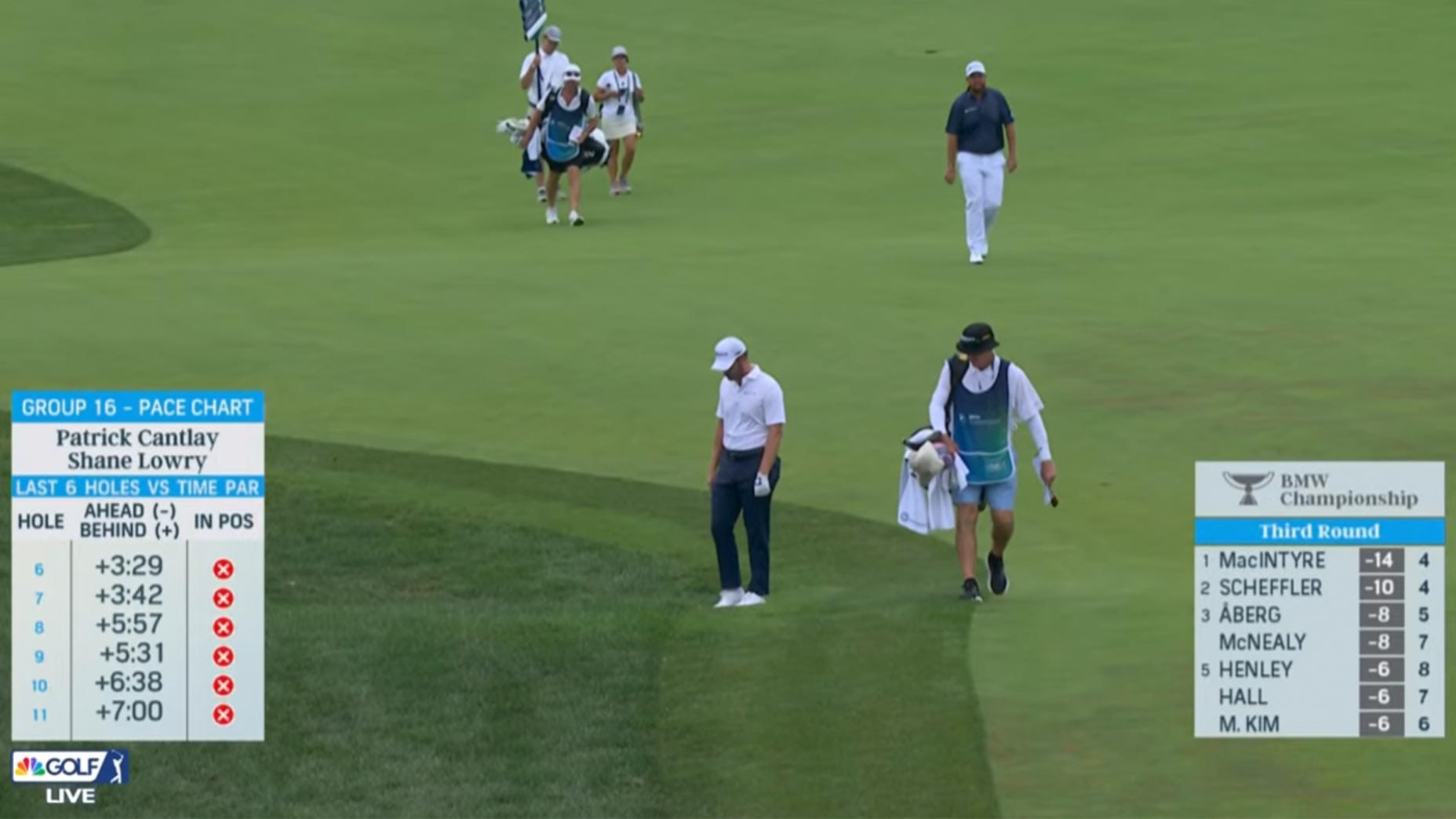
During the recent BMW Championship, the PGA Tour showcased a unique TV graphic that highlighted pace of play statistics for a specific pairing—Patrick Cantlay and Shane Lowry. This graphic, unveiled during the Golf Channel’s coverage, allowed viewers to track the timing of each player over consecutive holes. The moment proved critical, as both players had been placed "on the clock" by officials, requiring them to be mindful of their pace.
Innovation in Coverage: Unveiling the Statistics
The Golf Channel’s introduction of pace-of-play stats drew significant attention, particularly as rules analyst Mark Dusbabek explained how the Cantlay-Lowry pairing was noticeably behind schedule. As fans watched, the stats revealed just how much time they had already lost, providing a real-time glimpse into the issue of slow play—an issue that often goes unnoticed until it becomes a noticeable problem during tournament rounds.
Importance of Transparency in Professional Golf
In conversations with journalists earlier in the season, PGA Tour officials emphasized the importance of transparency about pace of play. They believe that data-driven insights can shed light on how significant the issue actually is, frequently inflated by the sheer number of players at full-field events. Transparency also serves to apply social pressure on those players known for taking their time, as they become aware of their actions being scrutinized on national television.
The Broader Implications for Golfing Culture
Dusbabek’s commentary during the Championship deftly illustrated how the timing of this specific pairing signified a broader cultural issue within competitive golf. The juxtaposition of Cantlay and Lowry’s slower pace against their peers raises questions about adherence to time management on the course. Will this public scrutiny deter slow play in future tournaments?
Educational Moments for Players and Fans
One of the notable benefits of showcasing these statistics on television is the educational aspect for both players and fans. Viewers gained insights into the protocols for enforcing pace of play while watching how it affects strategic decisions on the course. As Gulbey noted, this real-time analysis offers fans a unique peek behind the curtain of professional golf, elevating their understanding of game dynamics.
The Role of Social Pressure in Leadership Decision-Making
When it comes to leadership in professional golf, one might wonder how significant a role social pressure should play in a player’s decision-making process. The PGA Tour seems to believe that increased visibility around slow play will lead to improvements. This method, referred to colloquially as "The Shame Game," is a bid to motivate players to adhere to the expected pace, lest they face the consequences—both publicly and in terms of tournament rankings.
New Rules and Policies on the Horizon
As part of an ongoing push to expedite competition, the PGA Tour is not just relying on visibility; it is also experimenting with more stringent penalties for slow play. The PGA Tour Americas has been testing a new rule that imposes a one-shot penalty for the first infraction of "bad time." This proactive stance reinforces the commitment to more efficient gameplay, striving to enhance the overall viewing experience for fans as well.
Immediate Effects and Ongoing Changes
The graphic we saw during the BMW Championship provided immediate consequences: after being placed on clock, both Cantlay and Lowry were able to complete their rounds without accruing any penalties that would come from "bad times." This minor victory indicates that while the new policies may not bring forth drastic changes overnight, they are steps in the right direction, fostering a culture that values time management on the course.
Conclusion: A Shift in Golf Culture?
The PGA Tour’s new approach to handling slow play you’re witnessing may indeed herald a cultural shift within professional golf. With increasing pressure on players and enhanced transparency, the hope is that future tournaments will see improved pace while maintaining the integrity of gameplay. While some might view it as merely punitive, the ultimate aim is to cultivate a more enjoyable experience for both players and fans. As the season progresses, all eyes will be on how effectively these changes contribute to refining the fluidity of one of the world’s most beloved sports.
