


Ah, the golf course. More than just 18 holes, it’s a living, breathing canvas where the architect’s vision truly comes to life. We talk endlessly about the “Bear Trap” or “Amen Corner,” those iconic gauntlets that define championships. But sometimes, the true genius of a design, the very soul of a hole, is distilled into a single, perfectly apt nickname.
Having traversed linksland and parkland across myriad continents, I’ve seen my share of clever monikers. Yet, the finest ones don’t just describe; they *foreshadow*, they *explain*, and often, they capture the very essence of the shot demanded or the emotions evoked. They are, as the recent article from Links Magazine eloquently puts it:
“Whether an alias may foreshadow the challenges ahead… reflect specific architectural elements… serve as a tip of the cap to historical events… or even tap into the visceral responses golfers are certain to have while they play the hole. Regardless of the association, these names are nothing if not appropriate.”
Indeed. I want to delve into a few of these named wonders, focusing not just on their difficulty, but on the brilliant design philosophies that make them resonate so deeply with the golfing psyche.
The Allure of the Risky Proposition: “The Gambler” at King’s North
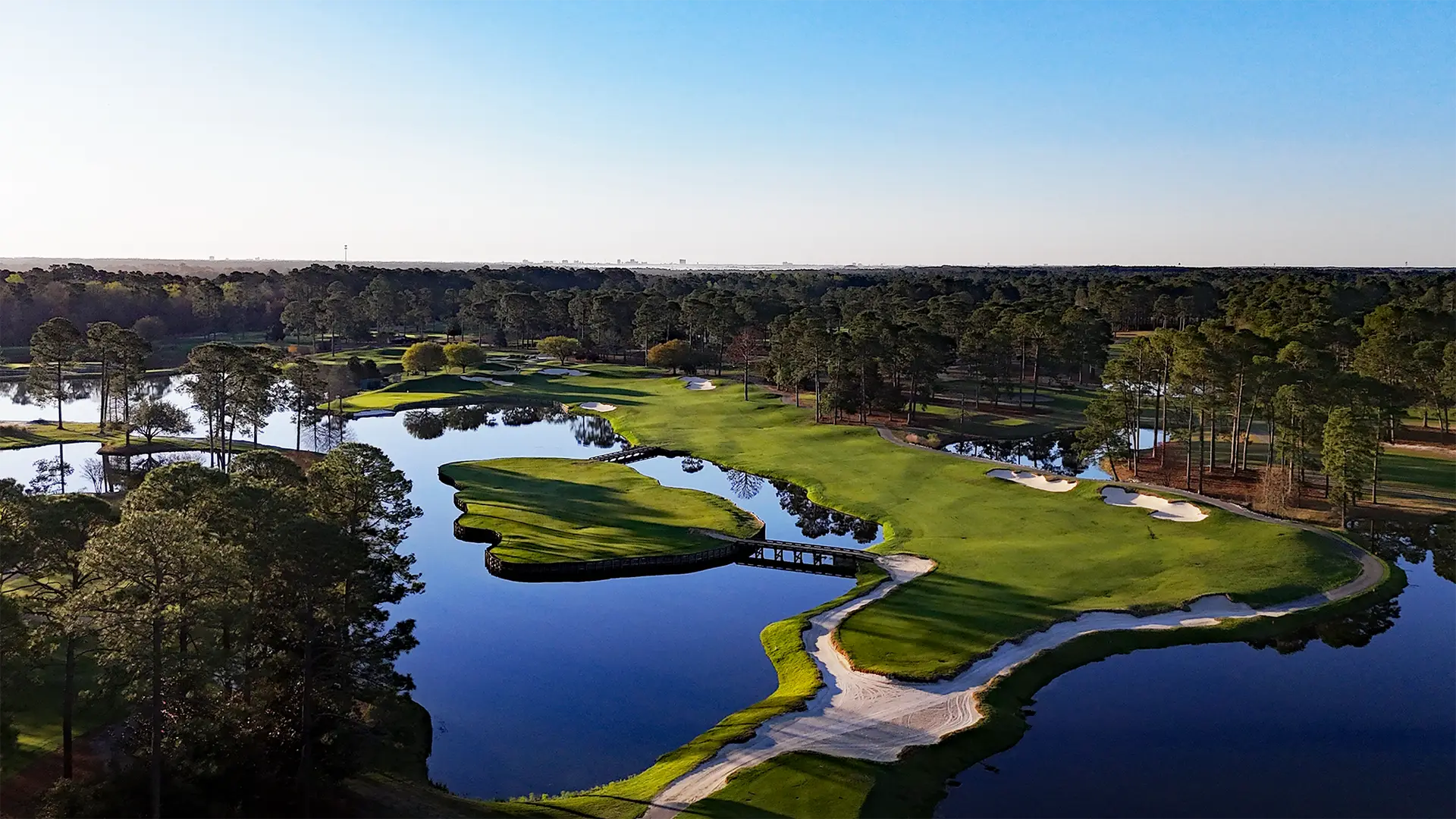
Myrtle Beach is a golf mecca, famed for its abundance of courses. Yet, a select few rise above, and the King’s North track at Myrtle Beach National, a bold creation by the inimitable Arnold Palmer design group, certainly earns its distinction. It’s here, on the 6th hole, that you encounter “The Gambler.”
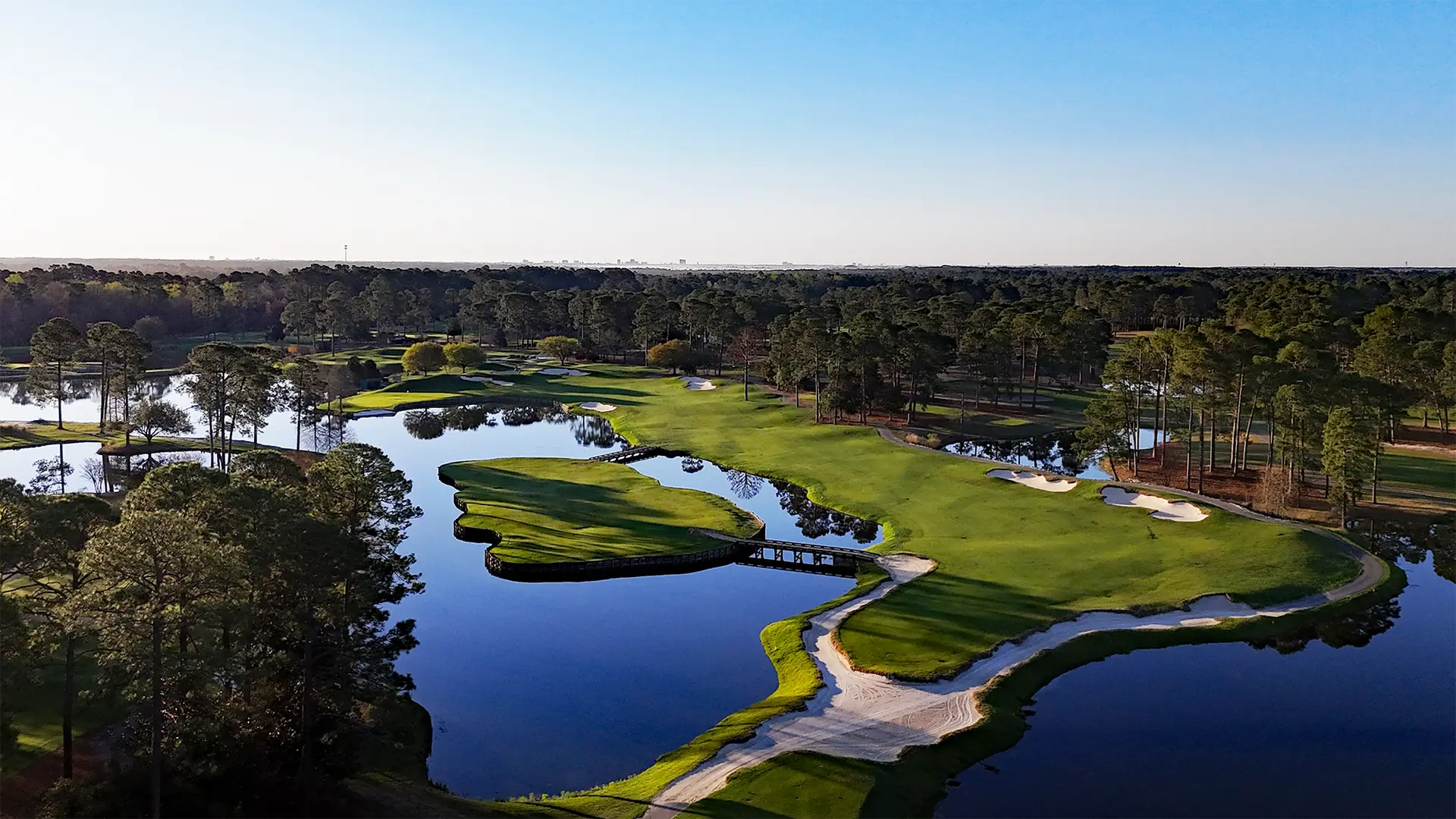
The beauty of this par-5 lies in its strategic options. The primary fairway bends right, offering a more traditional three-shot approach for most. But it’s the alternate path, a narrow, island fairway daringly positioned to the left, that truly lives up to the name. To go for it requires a heroic, precise tee shot over water. Succeed, and you’re left with a wedge or short iron into the green, an almost guaranteed birdie opportunity. Fail, and you’re reloading, watching your ball disappear into the murky depths. This kind of risk-reward, offering a tantalizing shortcut for the bold, is a hallmark of compelling course design, pushing players to make a vital decision based on their skill and nerve. It’s a classic example of an architect prompting a “hero or zero” moment.
The Desert’s Deceptive Start: “Hidden Green” at Troon North (Monument)
Scottsdale, Arizona, is home to some of the most dramatic desert golf in the world, and Troon North’s Monument course, a collaboration between Tom Weiskopf and Jay Morrish, is a masterclass in blending golf with the stark beauty of the Sonoran landscape. The very first hole, cleverly christened “Hidden Green,” immediately sets the tone for the day.

From the elevated tee, the fairway stretches out invitingly, but the architect’s genius is in what he *doesn’t* show you. The green itself is recessed, its contours largely obscured until you’re much closer. I recall my first time playing here, admiring the vista, only to be surprised by the pronounced central slope bisecting the putting surface. The source article nails this analysis:
“Uninformed golfers who attempt to play prudently, aiming for the center of the green, may discover that strategy works against them, especially if the hole is cut on the left.”
This is intelligent design. It demands not just a good shot, but an *informed* shot. It’s a strategic opener, asking players to trust their yardage (and perhaps a yardage book) over their initial visual assessment, a recurring theme in quality desert golf courses where perspective can be tricky.
The Brutality of a Pete Dye Creation: “Double Trouble” at PGA West (Stadium Course)
Pete Dye. The name alone conjures images of railroad ties, undulating greens, and water, water everywhere. His Stadium Course at PGA West in Palm Springs, California, is a formidable beast, designed to separate the best from the rest. The 5th hole, aptly nicknamed “Double Trouble,” is a perfect encapsulation of Dye’s confrontational style.
At 535 yards, this par-5 is not only long but relentlessly punishing. A serpentine water hazard dictates play from tee to green – first, guarding the left side of the fairway at a crucial yardage of about 280, then a second lake devouring the right side, ultimately protecting the green’s front. It’s a double dogleg that forces multiple precise carries. There’s no subtlety here; Dye put the trouble right in front of you. Every shot demands commitment and flawless execution, or you face the consequences. This hole, like many of Dye’s creations, is a test of both skill and mental fortitude. It evokes the feeling that any misstep will lead to, well, double trouble.
Where History Meets Heroics: “Hogan’s Alley” at Carnoustie
Crossing the pond to the ancient links of Scotland, we find ourselves at Carnoustie, a course whose name is synonymous with “brutal” and “unforgiving.” The 6th hole, a par-5, was christened “Hogan’s Alley” only in 2003, a testament to the enduring legend of Ben Hogan’s 1953 Open Championship victory.
This hole embodies the strategic challenge of links golf. Playing often into a stiff breeze, finding the fairway is paramount, but the best angle into the green demands a drive hugging the left, narrowly skirting the out-of-bounds. Hogan, in a performance of legendary precision, found that narrow strip all four days, leading to consistent birdies and ultimately, the Claret Jug. The name doesn’t just describe a feature; it honors a performance, a strategic masterclass that defined a champion. It’s a reminder that sometimes, the best path is the most audacious, and when it comes off, it enters golfing lore.
These individual holes, with their perfect names, are more than just numbers on a scorecard. They are narratives, challenges, and tributes woven into the very fabric of the landscape. They remind us why we love this game, constantly testing our skill, our nerve, and our respect for the brilliant minds who designed them. When you next find yourself approaching a hole with a name like these, pause. Consider what the architect is trying to tell you, and then, embrace the story unfolding before your very eyes.
