

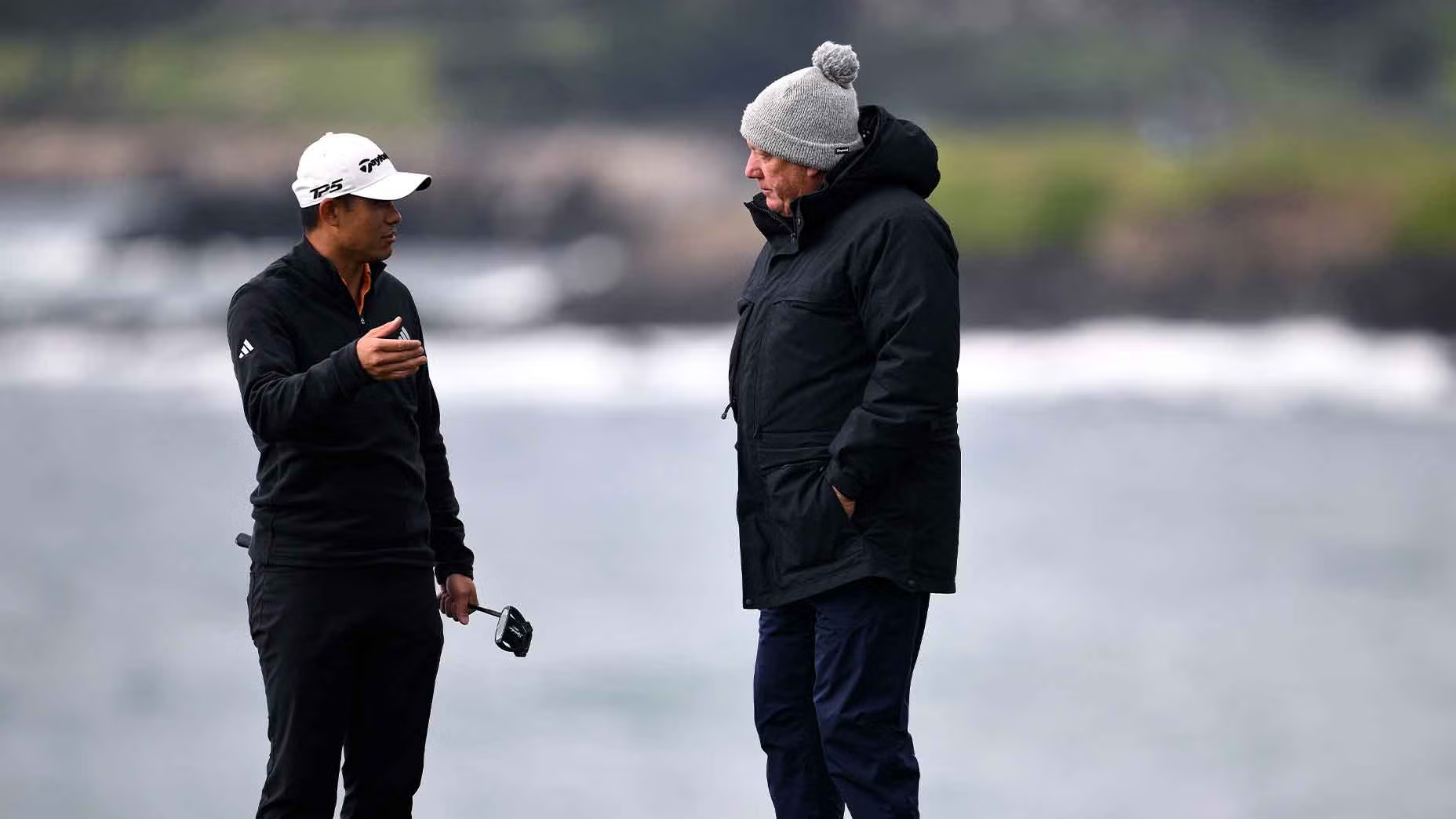

The 18th at Pebble Beach. Just uttering those words conjures a kaleidoscope of images: crashing Pacific waves, ancient cypress trees clinging defiantly to the cliffs, and a palpable sense of history. For any golf architecture enthusiast, it’s more than just a finishing hole; it’s a testament to the sublime interplay between nature and design, a dramatic masterpiece that has crowned champions and shattered dreams for over a century. Having walked these hallowed fairways myself countless times, each visit peels back another layer of its inherent genius.
Pebble Beach Golf Links, perched on the rugged Monterey Peninsula, is a course that defies easy categorization. It’s a natural wonder first and foremost, with the Pacific Ocean serving as both a stunning backdrop and an ever-present strategic challenge. Originally designed by Jack Neville and Douglas Grant in 1919, with later refinements by legends like H. Chandler Egan and Alister MacKenzie (the very thought makes my architectural heart sing!), the course is a brilliant example of routing that maximizes its dramatic coastline. Where other designers might have shoehorned holes regardless of the topography, Neville and Grant instinctively understood how to drape the course across the headlands, ensuring that for 17 of its 18 holes, you feel the ocean’s presence.
The Grand Finale: A Study in Strategic Design
Which brings us, inevitably, to the 18th. This par-5, stretching over 500 yards, is a hole that begins innocently enough, a gentle dogleg left around a grove of cypress. But then, as you navigate your tee shot, the full majesty, and menace, of the Pacific reveals itself. The entire left side of the fairway is a chasm, a sheer drop to the churning waters below. It’s not just a pretty view; it’s a constant, visceral threat. This is classic strategic design at its finest: the wider, safer route to the right leaves a longer, more difficult second shot, while flirting with the cliff edge offers a shorter path to a potentially scorable approach.
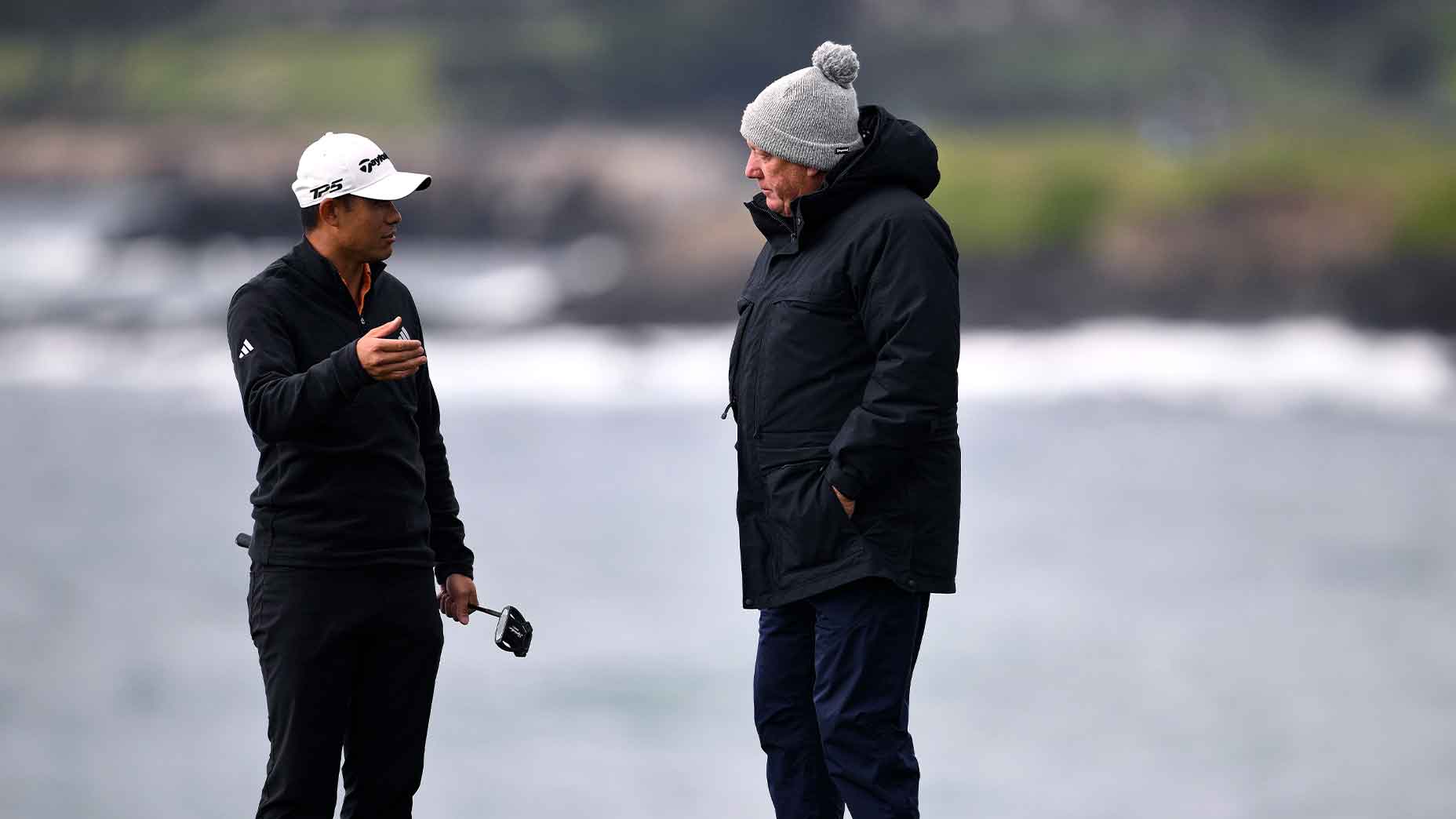
The recent drama at the AT&T Pebble Beach Pro-Am, culminating in Collin Morikawa’s long-awaited victory, showcased the 18th’s enduring power to create theatre. Imagine Morikawa, standing in the fairway, the weight of nearly three years without a PGA Tour win on American soil resting on his shoulders. He needed a birdie to win, but the clock was ticking, not just on his hopes, but literally, as Jacob Bridgeman’s unfortunate encounter with the rocks and the rules officials unfolded.
“When he blew his second shot long of the rocks and onto the beach, and a very unfortunate sequence of events unraveled. First came a disaster from the beach: a lengthy rules discussion that led to a heavy wedge shot which plunked off the rocks and plunged into the ocean.”
This is where the architecture of the 18th is so brilliant. It’s not just about the beauty; it’s about the inherent risks and rewards built into the landscape. Bridgeman’s plight, an unfortunate but compelling spectacle, highlights the course’s uncompromising nature. There’s no escaping the consequences of an errant shot, especially when the Pacific is involved. The rocks, the beach, the ocean – these aren’t merely hazards; they are the very essence of Pebble Beach’s identity.
For Morikawa, the wait must have been agonizing. Twenty minutes, standing over his ball, needing to make a career-defining shot. I recall a similar moment on the Old Course’s 17th, the Road Hole, awaiting a playing partner’s lost ball search. The mental gymnastics required to maintain focus, rhythm, and belief in such situations are immense.
“I knew what I had to do,” Morikawa said later. “I think I paced all the way to the ocean, like, 10 times at least. I just had to keep moving. You know, it’s weird to say, but these long breaks. I mean, it’s just not good for anyone to stand still.”
The Triumph of Vision
Morikawa’s eventual triumph, a perfectly struck second shot carrying over that iconic cypress tree, safely onto the green, and a simple up-and-down for birdie, felt like the culmination of a vision, a dream visualized with his mental coach. The emotion, as he stood off the 18th green, was palpable.
“Shoot, we’re at Pebble Beach right now, so I’m gonna enjoy this one.”
Indeed, he should. And so should every golfer who gets the chance to experience Pebble Beach. It’s not just a beautiful course; it’s a strategically brilliant one. The small, often subtly undulating greens demand precision, the bunkering is natural and penal, and the constant wind from the Pacific is an unyielding, invisible design element. It’s a course that rewards intelligence and thoughtful play over brute force. The routing around Stillwater Cove, particularly holes 4 through 10, is an architectural marvel. MacKenzie’s influence subtly shines through in the way the land is embraced, not fought.
Is Pebble Playable?
So, can you play it? Absolutely. Pebble Beach is famously open to the public, though securing a tee time and affording the green fee requires some foresight and a healthy wallet. It’s truly a bucket-list destination. While staying at The Lodge at Pebble Beach or The Inn at Spanish Bay can ease the booking process, it’s possible to play as a non-resort guest. My advice? Go. Experience the salty air, the roar of the waves, and the sheer audacity of a golf course that feels both wild and meticulously crafted. Take a forecaddie – their insights into the subtle breaks and wind patterns are invaluable. And when you reach that 18th tee, take a moment. Breathe it all in. You’re standing on ground where legends have been made and architectural genius endures.
