

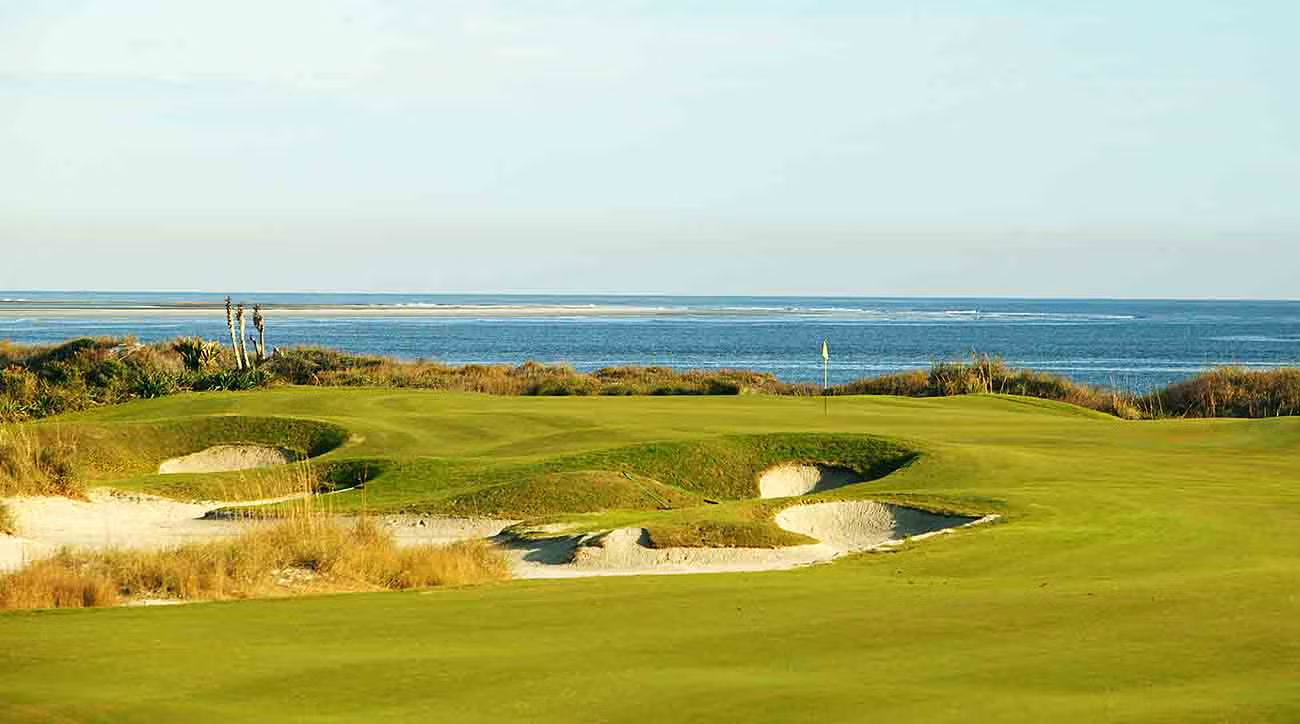

Ah, the Ocean Course at Kiawah. Just the name conjures images of wind-whipped dunes and the rhythmic crash of Atlantic waves. I’ve been fortunate enough to walk its hallowed fairways, and let me tell you, few courses so perfectly encapsulate the raw power of nature married with the often-maddening genius of Pete Dye. It’s a place where every shot feels like a conversation with the elements, and often, the elements are shouting.
My first visit to Kiawah felt less like arriving at a resort and more like stepping onto an epic stage. The air crackled with a potent mix of salty brine and anticipation. This isn’t your meticulously manicured, tree-lined parkland course. No, this is links golf, Lowcountry style, an untamed beauty sculpted from shifting sands and marshland, a design philosophy I’ve always admired in architects like Alister MacKenzie when they truly embrace the land.
A Dye-abolical Masterpiece
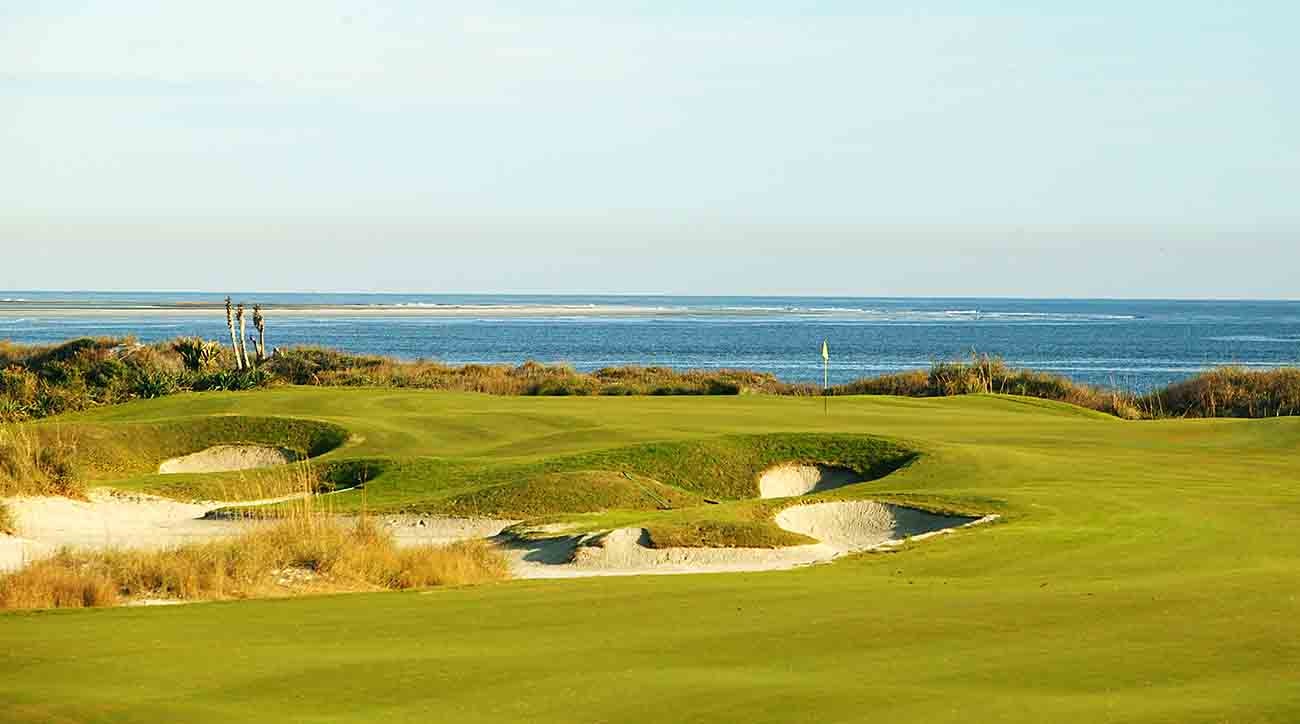
Pete Dye, alongside his visionary wife Alice, created the Ocean Course for one monumental event: the 1991 Ryder Cup. To build a course from scratch, specifically to host such a high-stakes match, speaks volumes about their ambition. And what they delivered was nothing short of a strategic masterpiece, a course designed to test not just skill, but nerve.
“Drawing on the traditions of Scottish and Irish links, the Ocean Course unfolds along the Atlantic coast of South Carolina, at the mercy of winds that never behave the same way twice.”
This single sentence from the source article perfectly encapsulates the course’s soul. The wind isn’t a factor here; it’s practically a co-designer. I remember one blustery afternoon on the back nine, trying to decide between a 7-iron and a choked-down 4-iron on a relatively short par-3. It’s this kind of uncertainty, this constant recalculation, that makes the Ocean Course so exhilarating. The Dyes, understanding there was “no prevailing breeze to design around,” ingeniously routed the course to play as “two distinct courses depending on the conditions.” This flexibility in design, allowing for an “eight-club difference from one day to the next,” is a testament to their deep understanding of the coastal environment.
The Marquis de Sod’s Signature Finale
Now, let’s talk about the 18th hole. Pete Dye was infamous for his brutal finishers, earning him the nickname “Marquis de Sod” among the pros. From Whistling Straits to TPC Sawgrass Stadium’s 17th, his closing holes are designed to extract every last ounce of doubt and pressure. The 18th at Kiawah is no exception; it is a fitting climax to an already wild ride.
“The 18th is a bear no matter how it’s blowing. The hole stretches nearly 490 yards, it helps to hit it big. But length won’t save you from what Dye was really up to, which was messing with your mind.”
My own experience on the 18th was a humbling one. Standing on that tee, facing a seemingly impossibly narrow ribbon of fairway, framed by menacing dunes, it felt like thread and needle. The strategic brilliance lies in the visual intimidation. The article notes that “from the tee it appears far more menacing than it actually is.” This is classic Dye: a visual illusion designed to make you question your swing, your strategy, everything. The prescribed “gentle left-to-right curve” for a drive often feels like an impossible feat when the wind is swirling off the ocean.
The green itself, “nestled in the dunes,” is no sanctuary. It’s a testy target, often elevated, demanding precision to avoid the bunkers and run-off areas that seem to collect anything less than perfect. It’s a hole that demands a commitment to your shot, a belief in your ability, and a healthy dose of luck from the ever-present winds.
History Forged in the War by the Shore
The 18th’s legend was cemented during that inaugural Ryder Cup, famously known as the “War by the Shore.” It wasn’t just a tough finish; it was where dreams were dashed and heroes were almost made, or decidedly unmade. Hale Irwin’s “snap-hooked drive” and Bernhard Langer’s agonizingly close putt, “needing just six feet for the win,” are etched into golf lore. It wasn’t a story of glory for them on that day, no “magazine covers” of triumph, but rather a harsh lesson in the unforgiving nature of Dye’s design.
“When players griped about his punishing finales, Dye had little sympathy. He framed such holes as opportunities — a chance at the kind of lasting fame Ben Hogan achieved with his iconic 1-iron on the 72nd hole of the 1950 U.S. Open at Merion…”
This quote speaks volumes about Dye’s philosophy. He wasn’t building courses to be easy; he was building stages for drama. He wanted to push the boundaries, to create moments that would define careers, for better or worse. And on the 18th at Kiawah, he unequivocally succeeded.
Playing the Ocean Course
Located on Kiawah Island, South Carolina, this course is open to the public, primarily for resort guests. It’s an investment, both in time and finances, but it’s an experience every golf architecture enthusiast should undertake. You’ll need good caddies – their local knowledge is invaluable, especially with those unpredictable winds. Play it from the appropriate tees; this is not a course to overestimate your abilities. And prepare for a mental battle as much as a physical one. Each hole is a strategic puzzle, a beautiful, torturous dance with the Atlantic.
The Ocean Course at Kiawah is more than just a golf course; it’s a pilgrimage for those who appreciate golf’s grander narratives. It’s a place where Pete Dye’s vision, Alice Dye’s influence, and the sheer power of nature converge to create a truly unforgettable golfing experience. It’s tough, it’s beautiful, and it’s absolutely essential.
