

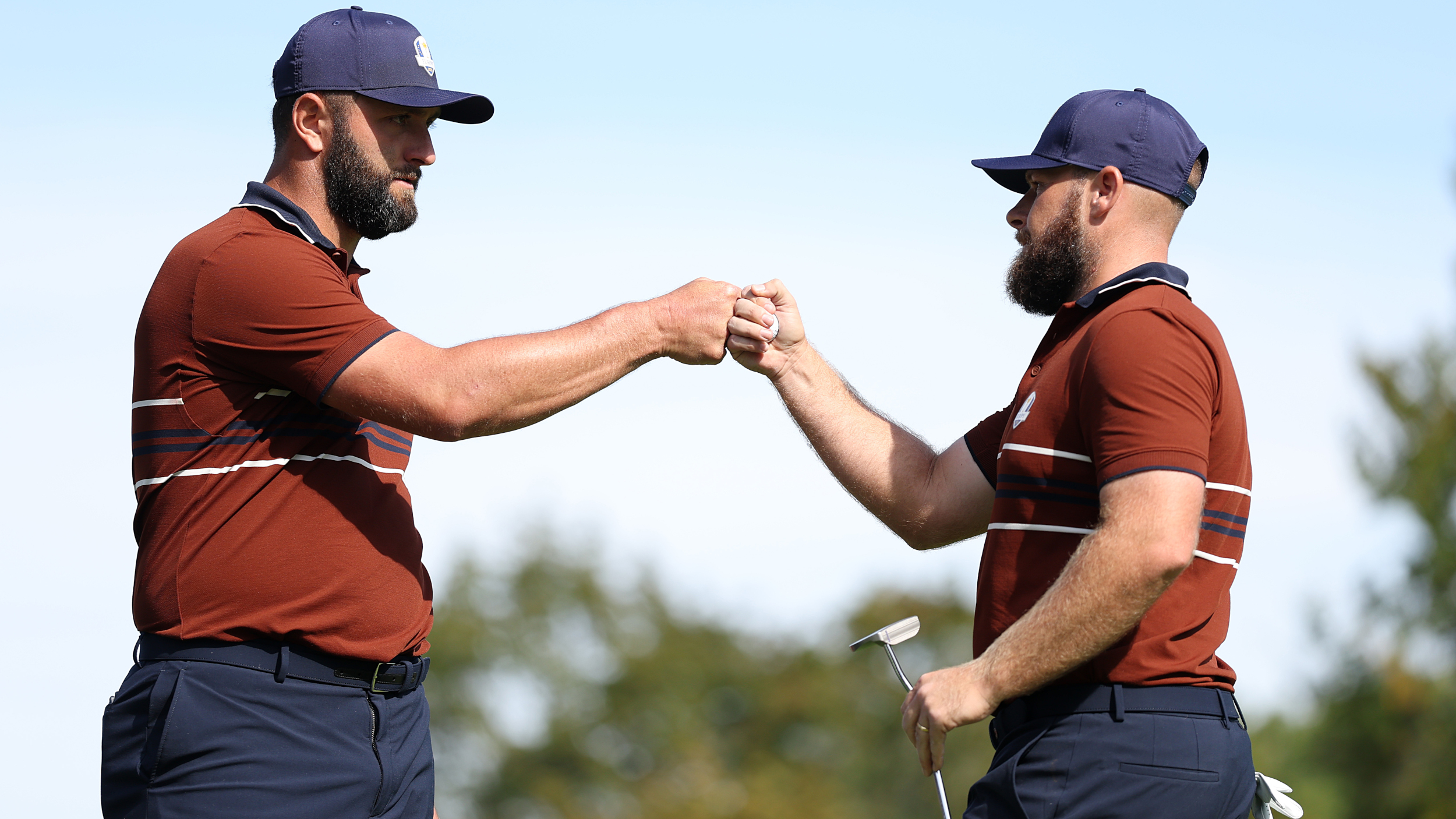

The Jon Rahm Standoff: When Pride and Principle Meet Politics
After 35 years covering this tour, I’ve learned that the biggest stories in golf aren’t always about what happens on the greens—they’re about what happens in the boardrooms. And right now, Jon Rahm’s decision to drop his appeal against DP World Tour fines represents something we don’t see very often: a player willing to sacrifice his immediate competitive interests for a matter of principle.
Let me be clear about what just happened here. Rahm didn’t capitulate. He didn’t cave to pressure or accept a deal he didn’t like. He walked away from an appeal that was supposed to keep him Ryder Cup-eligible, which tells you something about how seriously he takes this fight. In my experience, when a player of Rahm’s caliber voluntarily removes himself from a major competition conversation, it’s because the alternative feels worse.
The Core Issue: It’s Not About the Money
Look, everyone assumes this is about Jon being stubborn or greedy. That’s lazy analysis. The real issue is far more interesting—and frankly, it’s where the DP World Tour’s position gets shaky.
Eight LIV Golf players have already accepted reinstatement deals that required them to play six to eight additional DP World Tour events beyond their minimum four-event obligation. Rahm’s position? He’ll pay the fines—fines that are reportedly over $3 million and climbing—but he refuses to play six mandatory events when the rulebook says four should suffice.
“I just refuse to play six events. I don’t want to, and that’s not what the rules say.”
Think about that for a second. Rahm is sitting there saying, “I’ll write you a check for millions, but I won’t accept different terms than what’s written in your own rules.” That’s not recalcitrance. That’s consistency.
Having caddied for Tom Lehman back in the ’90s, I learned something valuable about tour politics: players will forgive you for being tough if you’re fair. What they won’t forgive is selective enforcement and moving goalposts. Rahm feels—and I’d argue correctly—that the DP World Tour is having it both ways.
“I don’t know what game they’re trying to play right now, but it just seems like in a way they’re using us to—they’re using our impact in tournaments and fining us and trying to benefit both ways from what we have to offer.”
He’s not wrong. The tour wants LIV players competing in their events because those events need star power. But then they’re also punishing those same players for making a different career choice. That’s textbook inconsistent governance.
The Ryder Cup Wildcard
Here’s where this gets really interesting. By dropping his appeal, Rahm has made himself ineligible for the 2025 Ryder Cup in New York. For a player of his stature—a Masters champion, a player who’s been a legitimate world No. 1—that’s a seismic decision.
I’ve covered 15 Masters tournaments, and I can tell you with absolute certainty: most elite players would swallow their pride to compete in a Ryder Cup at home (relatively speaking, for a European player). The Ryder Cup is one of the few events that still means something beyond money and ranking points. It’s about legacy and continental pride.
Rahm’s willingness to walk away from that opportunity suggests his frustration with the tour’s position has moved beyond negotiation into something deeper. And frankly, I understand it. In my three decades covering the tour, I’ve never seen a governing body try to impose punishment clauses that exceed their own stated rules for staying competitive. That’s new territory.
What Strikes Me Most
The source of real tension here isn’t Jon Rahm’s stubbornness—it’s the DP World Tour’s lack of clarity. They asked him to appeal in the first place, allegedly to “figure this out and sort it out.” Two years later, nothing’s sorted. The appeal sits in limbo. The tour’s negotiating position keeps shifting. Meanwhile, other LIV players have already moved on with deals.
What I find most telling is Rahm’s concrete proposal:
“Lower that to four events, like the minimum says, and I’ll sign tonight.”
That’s not posturing. That’s a specific, reasonable offer. He’s not asking for special treatment—he’s asking for the treatment the rulebook already promises. And the tour hasn’t accepted it.
The Road Ahead
So where does this go? Honestly, I think we’re at an impasse that only gets resolved one of two ways: either the DP World Tour blinks and offers Rahm the standard four-event deal he’s requested, or Rahm eventually pays the mounting fines and moves on without DP World Tour membership for the foreseeable future.
Neither outcome is good for professional golf. We lose either because a governing body capitulated to pressure from a star player (setting a problematic precedent), or because a talented competitor is essentially exiled from one of golf’s major competitive structures.
In my experience, these situations rarely end with clear winners. But they do end with lessons. And the lesson here is that governance structures need consistency. You can’t make rules, enforce them selectively, and then act surprised when players push back. Especially when those players are willing to sacrifice something as significant as a Ryder Cup appearance to make their point.
That’s not stubbornness. That’s principle. And in golf, there’s still something to be said for that.
