

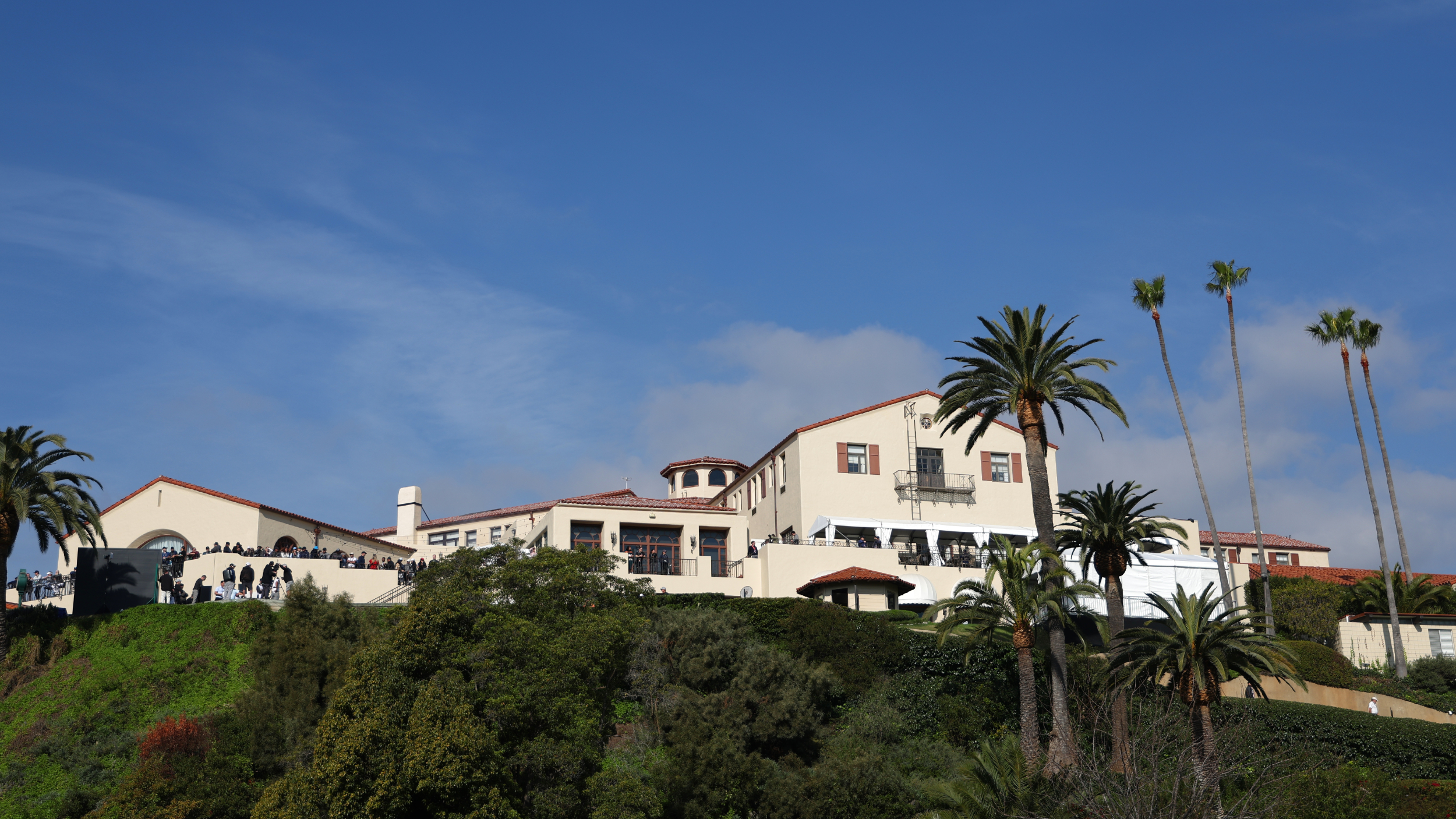

Riviera’s Golden Era: Why This Legendary Venue Is About to Become Golf’s Center of the Universe
Look, I’ve been covering professional golf for 35 years, and I’ve watched prestigious venues come and go. Some fade into obscurity. Others get their moment in the sun and then return to quieter lives. But Riviera Country Club? What’s happening there over the next seven years isn’t just a scheduling trend—it’s a declaration that this place has become absolutely essential to the fabric of professional golf.
Let me be direct: I think we’re witnessing the validation of one of golf’s greatest courses at precisely the moment when the sport needs it most.
A Venue With Pedigree That Few Can Match
Riviera opened nearly 100 years ago, and the Genesis Invitational has called it home since 1973—with only three exceptions. That’s 50-plus years of consistency in an era when tour venues change like fashion trends. But here’s what strikes me after three decades watching this game: consistency used to be undervalued. We’d chase the next shiny new course, the latest architectural marvel. Now? Golf has figured out that tradition matters. Authenticity matters. And Riviera has both in spades.
The venue’s résumé speaks for itself. It’s hosted the US Open (1948), two PGA Championships, the US Senior Open, and the US Amateur. But what’s about to happen is different. What’s about to happen is unprecedented for Riviera.
The Next Seven Years: A Blueprint for Excellence
Here’s what’s confirmed:
- Genesis Invitational – Annually (returning permanently in 2026 after the 2025 wildfires forced a move to Torrey Pines)
- US Women’s Open – 2026 (first time ever)
- Olympic Golf Tournaments – 2028 (including men’s, women’s, and the first mixed team event since 1904)
- US Open – 2031 (returning for the second time since 1948)
Stop there. Just… stop and think about that schedule. No other course in America is hosting this caliber of events in this timeframe. Not Augusta. Not Pebble Beach. Not Pinehurst.
When I caddied for Tom Lehman back in the ’90s, we talked about what separates great courses from legendary ones. It’s not just the conditioning or the architecture—though Riviera’s got both. It’s about what the venue means to the game’s narrative. And that narrative is being rewritten here.
Breaking Barriers and Changing Perceptions
I want to highlight something that genuinely impressed me about these announcements: the US Women’s Open coming to Riviera for the first time in 2026. For decades, some of golf’s most prestigious venues were perceived as exclusive in ways that went beyond membership. The fact that Riviera is explicitly welcoming the women’s major isn’t just good optics—it represents a genuine shift in how established clubs view their role in golf’s future.
Michelle Wie-West, the 2014 US Women’s Open champion, said it best when she hinted at coming out of retirement for the 2026 event:
“I don’t know, you know. Riv is kind of tempting, I have to say.”
That quote tells you everything. When a major champion considers breaking retirement to play a course, you’re not just talking about golf. You’re talking about legacy. Significance. A moment in time that matters.
The Olympic Story Nobody’s Talking About
Here’s what fascinates me most: the 2028 Olympics will feature not just men’s and women’s tournaments, but a mixed team event—the first Olympic golf team competition since 1904. That’s 124 years. Think about that span of history. Golf has been through two world wars, the integration of the PGA Tour, the rise of Tiger Woods, the LIV Golf upheaval, and everything in between. And Riviera gets to host the moment when Olympic golf finally reclaims a piece of its heritage.
In my experience, venues that host Olympics become instantly iconic in their sport. They transcend their normal identity. Riviera is already special, but post-2028, it’ll carry a different weight entirely.
The 2031 Question: Can It Actually Handle a Modern US Open?
Now, let me be honest about the one wildcard here. The USGA confirmed in June 2023 that Riviera would host the 2031 US Open, which genuinely surprised people in the industry. For years, conventional wisdom held that Riviera was too intimate, too small in footprint, to accommodate the infrastructure demands of a modern US Open.
USGA chief championships officer John Bodenhamer addressed this head-on:
“Riviera Country Club is a truly spectacular course that holds a special place in the game’s history. We are thrilled to bring the US Open back to the site of such historic moments for golf and the USGA, and look forward to writing a new chapter in 2031.”
What Bodenhamer isn’t saying explicitly but what I’ll say: the USGA decided that some courses transcend logistical limitations. The 1948 Open at Riviera, won by Ben Hogan, gave the place its nickname—Hogan’s Alley. Bringing it back 83 years later isn’t just scheduling; it’s poetry.
What This Really Means
In my three decades covering professional golf, I’ve seen the sport struggle with questions about identity. Are we about tradition or innovation? Exclusivity or access? Riviera’s next seven years suggests the answer might be “both.” This venue is proving you can honor the past while embracing the future—that you can be exclusive in the best sense (a place of genuine quality and standards) while being progressive in your values (welcoming the women’s major, hosting Olympic mixed events).
That’s not just good scheduling. That’s the future of professional golf written on one scorecard.
