

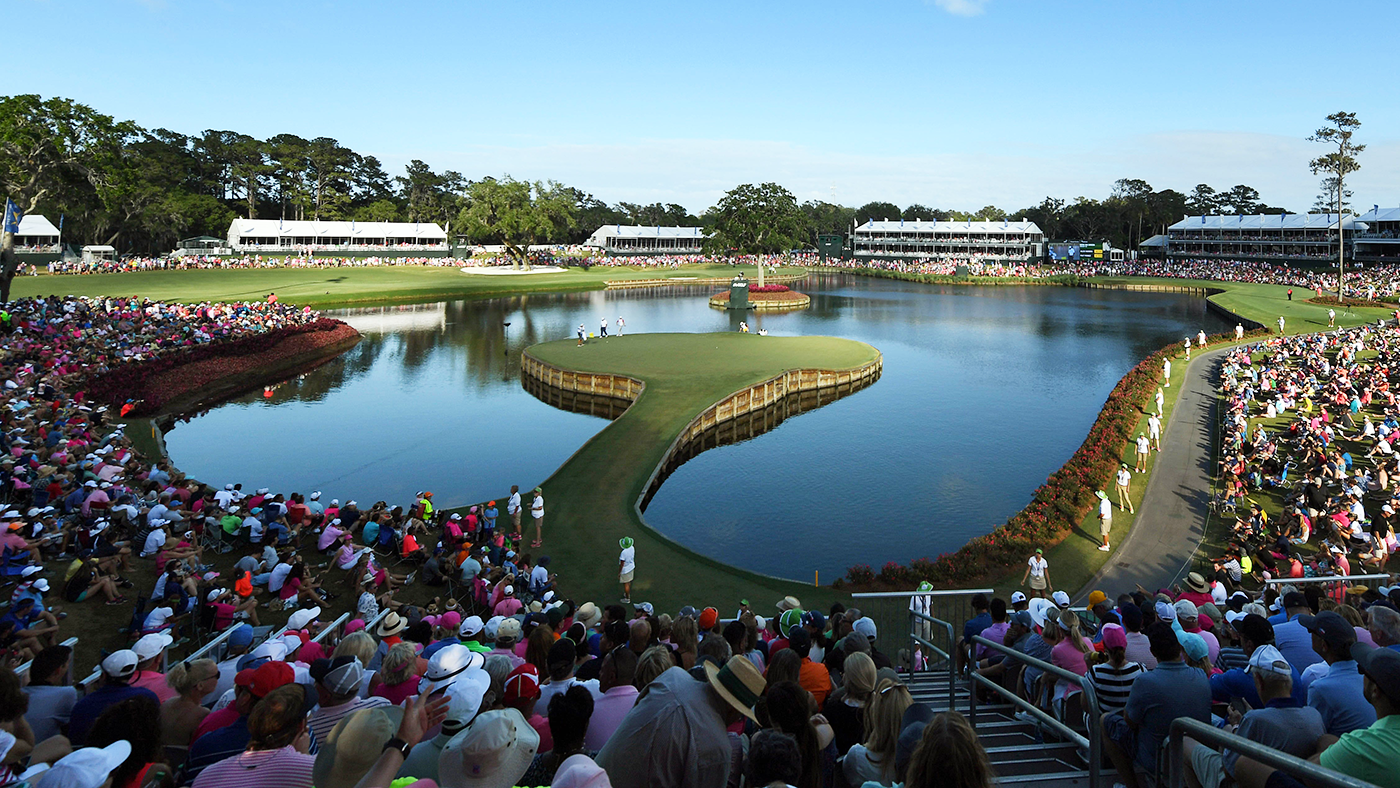

The Players Championship 2026: A Wide-Open Field Signals a Shifting Tour Landscape
The golf world descends on Ponte Vedra Beach this week for what might be the most unpredictable Players Championship in recent memory. After three decades covering this tour—and having stood in the shoes of a caddie during some of the most dominant stretches in modern golf history—I can tell you: when the world’s best players start looking uncertain, that’s when things get genuinely interesting.
Let’s be honest about what we’re seeing. Scottie Scheffler is out here testing driver heads like a PGA Tour rookie searching for answers. Rory McIlroy is nursing a back injury and watching from home. These aren’t small details. These are the two players who’ve made The Players look like their personal playground over the last couple of seasons, and suddenly there’s genuine daylight between them and the field.
When the Favorites Stumble, Opportunities Emerge
What strikes me most about this particular moment is how it mirrors something I’ve observed throughout my time covering professional golf: dominance, no matter how overwhelming, creates an opportunity window. The longer Scheffler and McIlroy have their struggles, the more other players gain confidence. Confidence is currency on this tour.
Consider what our analysts are flagging about Scheffler’s game:
"The two-time winner of The Players has looked surprisingly mortal of late, particularly with his iron play. Scheffler is a shocking 88th in strokes gained approaching the green, a stat category he’s dominated over the past five years."
That’s not just a number. That’s a fundamental shift. In my experience, when a player’s best weapon suddenly becomes unreliable, it takes time to rebuild the trust in that part of the game. And Sawgrass doesn’t forgive hesitation. Every shot requires conviction.
The Youth Movement Has Teeth
What’s equally fascinating this week is the emergence of players under 26 who are "imposing their will on the tour with Chris Gotterup, Jacob Bridgeman, Akshay Bhatia and Ludvig Åberg all arriving in style." I’ve covered enough transitions in professional golf to know when a generational shift is happening, and this feels like one of those moments.
These young players don’t carry the weight of history at Sawgrass. They haven’t played it in their minds a thousand times. They just show up and play. That’s a feature, not a bug, at a course that can trap you in your own head.
Collin Morikawa’s Moment
If I had to pick one player whose trajectory this week particularly interests me, it’s Collin Morikawa. Both of our expert panelists identified him as a top-10 lock, and for good reason. Here’s what one of them observed:
"There might not be a more confident golfer in the world right now. Morikawa enters this Players Championship following his win at Pebble Beach and top 10 finishes at Riviera and Bay Hill."
In three and a half decades around professional golf, I’ve learned that form is real. It’s not just statistics—it’s the feeling a player has when they step up to the ball. Morikawa clearly has that right now. The interesting thing is that confidence built on diverse success—winning at Pebble, placing well at Bay Hill—suggests his game isn’t dependent on one particular strength. That’s exactly the kind of flexibility Sawgrass demands.
The Deeper Story: Depth Over Dominance
What the experts’ picks really tell us is that The Players in 2026 isn’t about one or two superstars—it’s about depth. We’re seeing predictions spread across Russell Henley, Si Woo Kim, Ryan Gerard, and others. The odds reflect that uncertainty too. When the favorite’s odds start stretching at a major championship, it signals that bettors (who are generally sharp) see genuine parity.
Having caddied in the ’90s and covered the tour ever since, I’ve seen how the game evolves. The distance the young players are hitting it, combined with improved coaching and analytics, has democratized high-level performance. You don’t need to be a generational talent anymore to compete at the highest level. You need sound fundamentals, mental toughness, and fitness. A lot of players have those things now.
The Broader Picture
One analyst offered what might be the boldest take of the week:
"Four of the top 10 players in the OWGR miss the cut: There are some questions atop the world of golf right now!"
That would be extraordinary. But is it crazy? Not really. Scheffler’s iron play has been problematic. McIlroy isn’t even here. Justin Rose has wilted since Torrey Pines. Ludvig Åberg is talented but still raw. These aren’t unfounded concerns; they’re legitimate observations about where these players actually stand right now.
What Really Matters This Week
Here’s what I think matters most as we head into Thursday: we’re witnessing a tour in transition. The Scheffler-McIlroy duopoly isn’t permanent, despite how it looked six months ago. The younger generation is talented enough to break through immediately. The mid-tier guys—your Russell Henleys and Collin Morikawas—are finding their form at exactly the right time.
That’s not a problem for professional golf. That’s exactly what should be happening. Dominance is great for individual players and their legacies, but parity is what keeps fans engaged week to week.
The Players Championship has always been about discovering who your best player is when the conditions are most challenging and the field is most complete. This year, we might actually get a genuine answer.
