

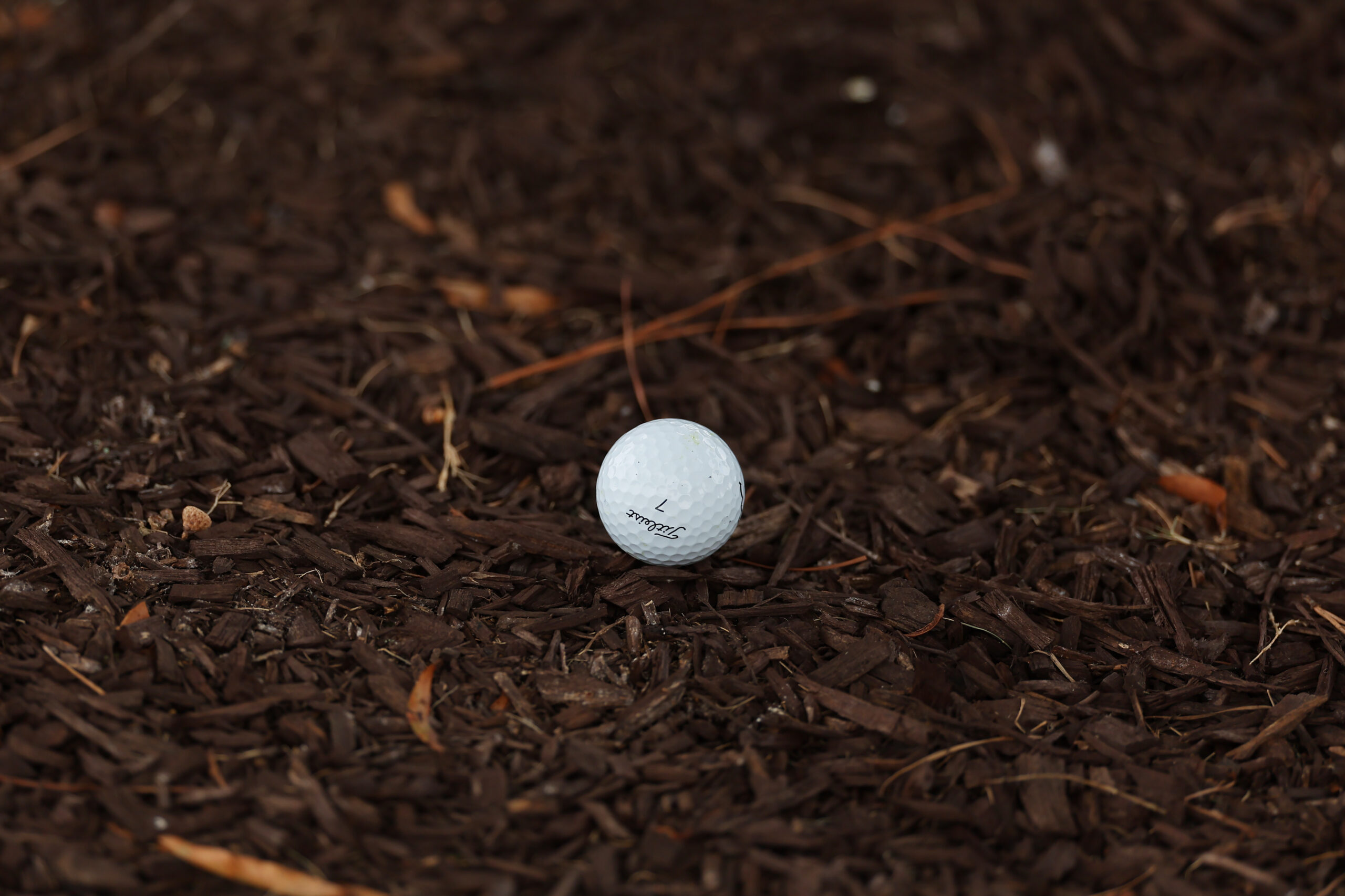

Why Scottie Scheffler’s Golf Ball Choice Says More About Tour Psychology Than You’d Think
I’ve been covering professional golf for 35 years now, and if there’s one thing I’ve learned, it’s that the smallest details often reveal the biggest truths about a player’s mentality. So when I read about Scottie Scheffler’s deliberate choice to use high-numbered golf balls—5, 6, 7, and 8 instead of the standard 1, 2, 3, 4—my first instinct wasn’t to laugh at the quirk. It was to recognize what it really represents: a player who learned early that precision and accountability matter in ways that extend far beyond swing mechanics.
Let me set the scene. Most tour pros I’ve worked with over the decades don’t think twice about their ball markings. It’s one of those details that gets handled almost subconsciously. You grab your Pro V1s or whatever you’re playing, maybe scribble your initials on them, and move on. But Scheffler? He’s carrying a scar from college that transformed into a competitive advantage—and honestly, that’s the kind of thing that separates good players from great ones.
The Origin Story That Actually Matters
Here’s what happened, and why it stuck with him. During his college days, Scheffler hit the wrong ball. Not once, but twice. Once when he accidentally played Beau Hossler’s ball at a Texas tournament, and again in Arizona. These weren’t casual mistakes—they were embarrassing, tournament-affecting moments that forced him to confront his own carelessness.
Scheffler recounted one incident with the kind of detail that tells you he’s replayed it in his head more than a few times:
“I hit it (ball) in the desert. I looked at the ball in the bush. I said, ‘Hey guys, I’m going to mark and identify it.’ I marked it, picked it up, looked at it and said, ‘Oh, cool, Titleist 4.’ I put it back down in the bush.”
The punchline? It wasn’t his ball. His actual ball was sitting clean in the desert while he’d just played a shot with someone else’s.
Now here’s where it gets interesting from a psychological standpoint. Rather than shrug it off as a learning moment and move on—which is what most players would do—Scheffler actually implemented a system. When he made it to the PGA Tour, he sought out players using higher-numbered balls specifically because those numbers stood out visually. The low numbers, he realized, created visual confusion under pressure. So he switched. Problem solved through adaptation rather than luck.
What This Reveals About Modern Tour Mentality
In my experience caddying for Tom Lehman back in the ’90s, I saw plenty of superstitions and personal quirks. But there’s a meaningful difference between superstition and systematic problem-solving. Scheffler’s approach is the latter. He identified a weakness—his ability to quickly identify his own ball under tournament stress—and he engineered a solution.
That’s not weird. That’s professional.
What strikes me most is that this choice has proven wildly successful. Scheffler now has 20 PGA Tour victories and four major championships, all earned while playing with those high-numbered Titleist Pro V1s he’s been using since his junior golf days. The numbers aren’t coincidental. They’re part of a broader pattern of meticulous attention to detail that defines his game.
Even His Peers Notice
You know something’s truly distinctive when your fellow tour pros start ribbing you about it on national broadcast. At the 2024 RBC Heritage, Ryder Cup teammate Justin Thomas chimed in with the kind of locker room skepticism you’d expect:
“Does anyone else think it’s weird that Scottie uses high numbers? I don’t know if I’ve ever seen an elite player use high golf balls.”
Thomas said it with good humor, but there’s truth in the observation. Scheffler really is the outlier here. But here’s the thing—and this is where my three decades on tour matter—standing out isn’t a liability if you’re winning majors. In fact, it’s exactly the opposite.
Tour culture has always had room for eccentricity, but only when it delivers results. If Scheffler were shooting 76-74-75 using high-numbered balls, we’d be writing about equipment choices as excuses. Instead, we’re writing about a world number-one player whose meticulous approach to every detail—including something as seemingly minor as ball identification—contributes to his dominance.
The Bigger Picture
What fascinates me is that Scheffler’s choice represents a broader shift in how elite golfers approach the game. The sport has moved away from pure intuition and superstition toward data-driven decision making and systematic problem-solving. Scheffler didn’t keep using low numbers because “that’s what everyone does.” He changed because he ran into a specific problem and solved it methodically.
That’s the mentality of a generational talent. Not because the ball numbers themselves matter—they don’t, really. But because the underlying principle does: leave nothing to chance. Eliminate friction. Execute with precision.
Having watched hundreds of players come and go over three and a half decades, I can tell you that the ones who last, who build legacies, they’re the ones who sweat these details. They’re the ones who turn a college mistake into a touring advantage.
So is it weird that Scottie Scheffler uses high-numbered golf balls? Sure. But it’s a weird that’s worked out pretty well so far—and given his trajectory, I’d expect we’ll be seeing those 5s, 6s, 7s, and 8s on tour for a very long time.
