


When Magic Moments Save a Tournament: What Riviera’s Final Round Fireworks Tell Us About Modern Golf
I’ve been covering professional golf for thirty-five years, and I can tell you with absolute certainty: there are tournaments that fade from memory within weeks, and then there are tournaments that stay with you because of a few minutes—sometimes just seconds—where the sport reminds you why you fell in love with it in the first place.
The Genesis Invitational’s final round at Riviera Country Club this past weekend belonged squarely in that second category, thanks to what I can only describe as a perfect storm of shotmaking brilliance that unfolded faster than most fans could refresh their social media feeds.
Three Minutes That Defined a Tournament
Let me set the scene: Jacob Bridgeman had done the hard work all week, building a commanding lead that looked like it might cruise to coronation Sunday. Riviera, that demanding par-71 jewel in Los Angeles, had been subdued. The greens were holding firm. The wind was behaving like it had somewhere else to be. And then, in what amounted to a blink of an eye, three of the tour’s best strikers of the ball reminded everyone why leaderboards in February should never be considered final.
First came Tommy Fleetwood. Here’s a player who, after two successive bogeys, looked like he might be fading into the background—exactly what you’d expect to happen to someone battling momentum. Instead:
“The Englishman approached the par-4 off the back of two successive bogeys, although he soon shook off that disappointment, sending his tee shot 308 yards down the fairway. While that appeared to set up a decent chance of a birdie opportunity with a solid approach, he went one better, holing out for a slam-dunk eagle from 173 yards.”
Now, I’ve seen thousands of eagles in my time covering the tour. Most are the product of careful calculation—a well-struck approach shot that finds birdie range. But a fairway holed out from 173 yards? That’s not skill alone. That’s the kind of moment that reminds you golf still has mysteries we can’t fully explain.
@TommyFleetwood1 holes it from the fairway @TheGenesisInv!
What strikes me about Fleetwood’s shot is the psychological component. Here’s a guy fighting to stay relevant in a tournament he was already chasing, and instead of grinding out a birdie to nibble at Bridgeman’s lead, he goes and holes a fairway shot. That’s not just scoring; that’s momentum. That’s the kind of play that puts doubt in the minds of leaders.
The Ace That Changed Everything
But we weren’t done. Not even close.
Moments later, Max Greyserman stepped up at the par-3 14th and delivered what might have been the most emotionally significant shot of the day—his first PGA Tour ace. In my experience, first aces carry weight that subsequent ones never quite match. There’s a purity to it, an accomplishment that can’t be diminished by future success.
“Greyserman’s special moment was very nearly a slam-dunk, but instead it landed barely right of the pin before spinning and dropping into the cup.”
An ace in the city of angels! Max Greyserman cards a 1⃣ at the 14th @TheGenesisInv.
This is where professional golf shows its democratic side—where a mid-pack competitor gets his Hollywood moment, where the cameras turn his way, where for a few seconds the leaderboard hardly matters because you’ve just witnessed something genuinely special. The tour needs these moments more than it probably realizes.
McIlroy Keeps the Drama Alive
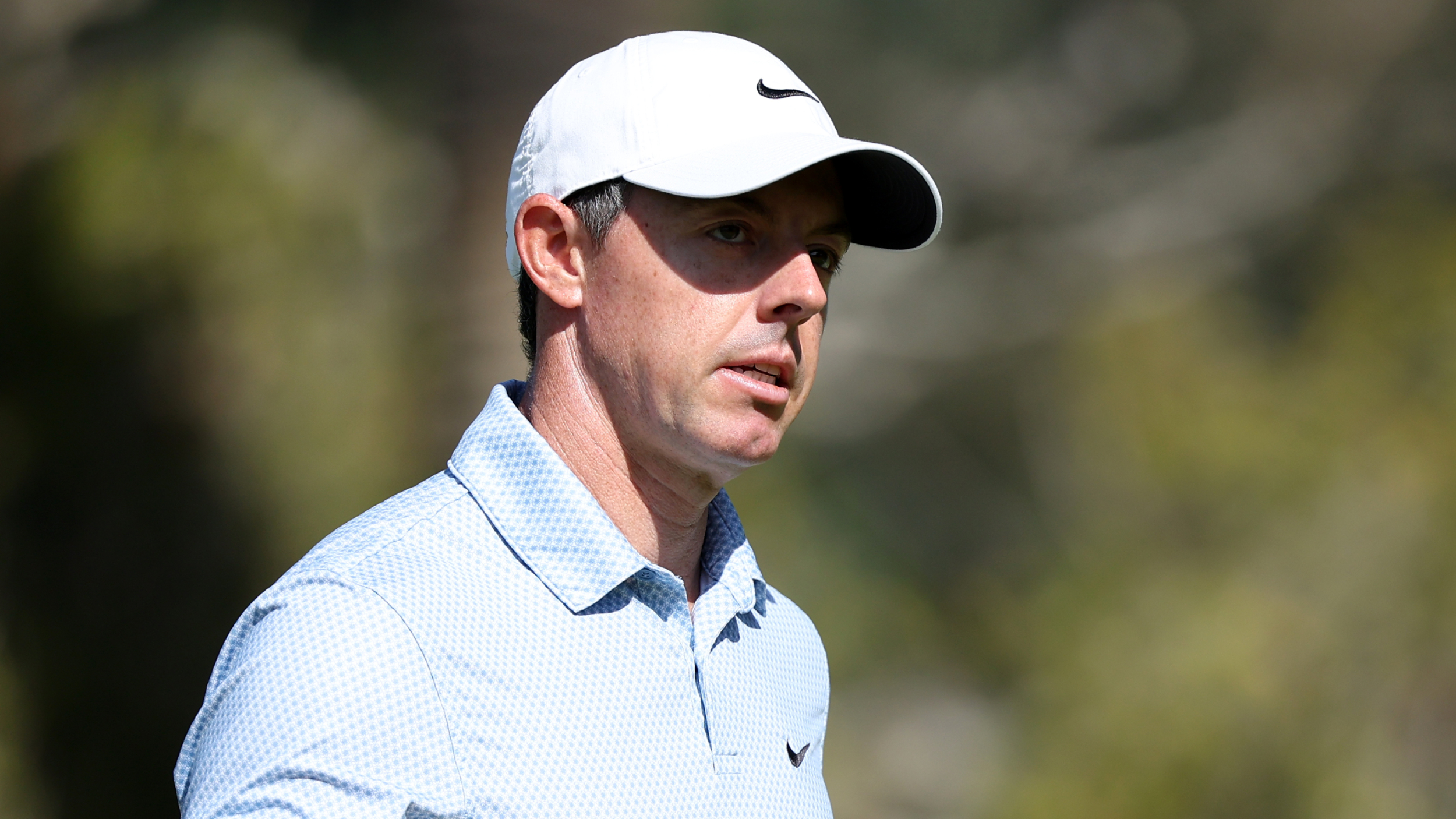
And then came Rory McIlroy, because of course it did. If Fleetwood and Greyserman were appetizers, McIlroy was the main course—the kind of shot that actually impacts the tournament’s outcome.
“From 35 yards, McIlroy’s shot landed on the green before rolling into the cup for his second successive birdie.”
Not going down without a fight! @McIlroyRory birdies from the bunker to get within 4 of solo leader Jacob Bridgeman.
Having caddied back in the ’90s, I learned that the best players in the world share one defining trait: they don’t accept defeat until the arithmetic says otherwise. A four-shot deficit with six holes remaining? In another era, that might have felt insurmountable. But McIlroy’s bunker shot did something crucial—it transformed the final hour from a formality into genuine theater.
What This Means for the Tour
Here’s what I think matters most about this sequence: we’re living through an era where golf coverage is fragmenting across a thousand platforms, where casual fans might catch highlights instead of full rounds, where the tour’s product is constantly competing for attention against every other form of entertainment.
In that environment, moments like these become currency. They’re the clips that trend. They’re the stories that get told in offices Monday morning. They’re the reason someone who hasn’t watched golf since last year might suddenly tune in for next week’s event.
I’m not saying Jacob Bridgeman’s week-long consistency and leadership should be diminished. That’s the foundation of professional golf. But what Riviera’s final round demonstrated is that the tour’s drama—the unpredictability, the moments of sublime shotmaking—remains utterly compelling.
In thirty-five years of covering this game, I’ve learned that tournaments are won by players who execute over four days. But they’re remembered by everyone else for the moments when golf transcends mechanics and becomes pure artistry. This Genesis Invitational had both.
